








Introduction:Dark roasted coffee beans are widely loved for their rich, bold flavors and captivating caramel and nutty aromas. Varieties like Blue Mountain and Mandheling are particularly iconic. This article delves into the unique charm of dark roast coffee, exploring its aromas, flavors, and sweetness levels. Using Golden Mandheling as an example, it provides practical pour over techniques and parameters to help you avoid bitterness and extract a balanced caramel sweetness with herbal notes.
For many, the first impression of black coffee is that of a bitter, strong dark roast. This bitterness isn’t just a matter of personal taste—it also carries collective memories of an era and the essential need for a caffeine boost. Yet beneath this intense bitterness often lies a fascinating blend of aromas, including nuts, caramel, cream, and spices. Dark roast coffee is renowned for its full-bodied, rich mouthfeel, layers of bitterness with sweetness, and lingering aftertaste. Among these, Blue Mountain and Mandheling are quintessential representatives of dark roast coffee.
What’s the allure of dark roast coffee?
If you grew up around the year 2000, your impression of black coffee might have been limited to a singular bitterness. Back then, if you wanted coffee that wasn’t bitter, your main option was usually Nestlé’s 2-in-1 instant coffee. This flavor-lacking dark roast coffee was actually the mainstream of the late 20th century, forming a stark contrast to today’s emphasis on fruity, floral notes and bright light roasts. So why do some people still have a special affinity for this intense bitterness?
A long-time dark roast enthusiast once described it this way: “The first time, I was drawn in by the aroma. It was bitter, but in a special, comforting way. Over time, I just couldn’t stay away.” This sentiment echoes that of many—dark roast coffee’s aromas and flavors have become a sort of nostalgic taste memory of the times. In addition, coffee used to be seen primarily as a functional beverage for staying alert, so people were willing to tolerate some bitterness for the sake of wakefulness.

The three great appeals of dark roast coffee
First is the aroma. Dark roast coffee releases a complex bouquet of nuts, caramel, roasted chestnuts, cream, and spices. These aromas often attract people instantly, drawing them in for a deeper exploration.
Second is the mouthfeel. Dark roast coffee offers a richness and layering unmatched by lighter roasts. It feels smooth and full-bodied upon entry, delivering a solid texture to the palate—this is one reason many are drawn to Blue Mountain and Mandheling.
Lastly is the sweetness. Yes, dark roast coffee does have sweetness, though it’s often hidden within the bitterness. Take Mandheling, for instance—you may taste the slight bitterness of nuts and cocoa, but upon closer sipping, you’ll also detect a subtle sweetness reminiscent of caramel and maltose. This is what many coffee aficionados refer to as “pleasant bitterness.” As the coffee is swallowed and the bitterness fades, a sweet aftertaste emerges—this lingering note is another charm of dark roast coffee.
Challenges and techniques in brewing dark roast coffee
Those who dislike acidity often opt for medium-dark roasted beans, which typically showcase aromas like nuts, dark chocolate, and almonds, with low acidity and pronounced sweetness. However, due to longer roasting times and higher heat exposure, medium-dark beans tend to be more porous. If brewing parameters aren’t properly controlled, they can easily release excessive off-flavors, resulting in a noticeably bitter and astringent finish. Therefore, how to extract the caramel sweetness of dark roast coffee while avoiding over-extraction and unwanted flavors is a key concern for many coffee lovers.
To balance the flavors, it’s recommended to use a slower-flow filter cone, pair it with a coarser grind size and slightly lower water temperature, and employ a multi-pour technique, keeping the total extraction time around 2 minutes. The suggested powder-to-water ratio is1:15. Below, we’ll use the classic dark roast bean—Golden Mandheling—as an example to illustrate specific brewing methods.
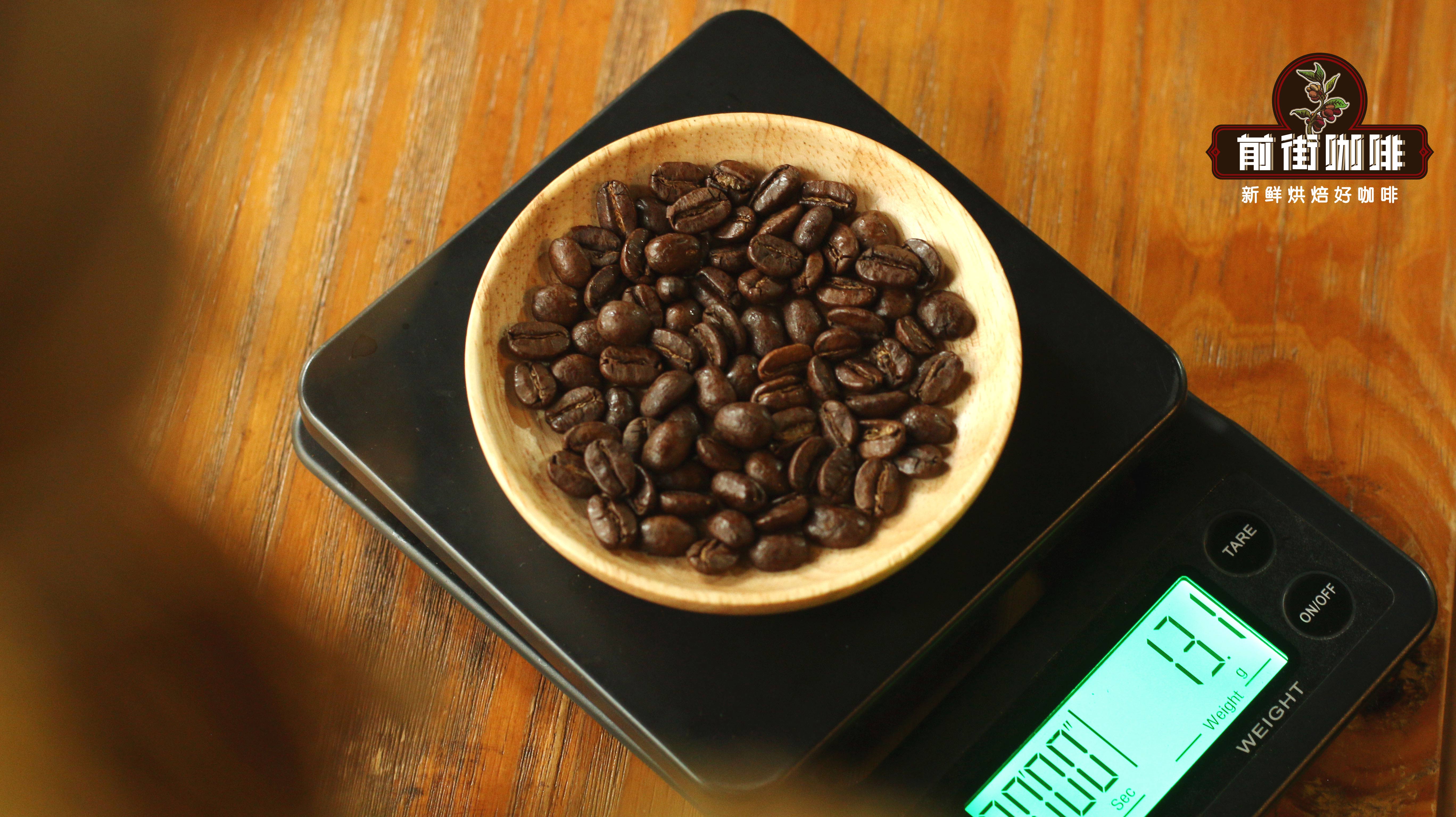
Flavor profile and storage tips for Golden Mandheling
Golden Mandheling is a richly flavored dark roast coffee bean, characterized by aromas of herbs, dark chocolate, caramel, nuts, and pine. To fully experience these flavors, it’s recommended to use beans roasted within4 to 7 daysprior, as this is their optimal flavor window. After more than a month and a half, the aromas gradually dissipate, and woody off-notes may even emerge. Therefore, the freshness of the beans is crucial to the final flavor expression.
Golden Mandheling pour over parameters and steps
To extract Golden Mandheling’s full-bodied mouthfeel and caramel sweetness, it’s recommended to use a KONO filter cone. The rib design of this cone extends less than halfway up its height, reducing airflow exchange and extending the contact time between water and coffee grounds. This promotes a more even extraction, helping enhance overall body. Additionally, the recessed base design aids in creating a siphon effect, further stabilizing the extraction process.
Since dark roast beans absorb water quickly and are prone to over-extraction, it’s advisable to adjust the grind size tomedium (approximately 70% passing through a Chinese standard No. 20 sieve), and use water at a temperature of87–88°Cfor brewing.
Recommended parameters:
- Water temperature: 87–88°C
- Coffee powder amount: 15 grams
- Powder-to-water ratio: 1:15
- Grind size: Medium (approximately 70% passing through a No. 20 sieve)
Three-stage pouring steps:
- First stage (bloom): Pour 30ml of hot water to wet all coffee grounds, aiding in degassing. Time: about 30 seconds.
- Second stage: Pour 100ml of hot water, primarily extracting the golden crema and lifting the coffee bed to encourage flavor release.
- Third stage: Use a gentle, centered pouring method to add 95ml, maintaining a steady flow rate. Wait until dripping finishes, then remove the cone.
Total extraction time should be kept to around2 minutes. After brewing, gently swirl the coffee in the cup to even out the flavors.
Using the above method, you’ll be able to fully appreciate Golden Mandheling’s aromatic herbal notes, its robust full body, along with its pronounced caramel sweetness and the chocolatey, nutty finish—enjoying the depth and layered complexity of dark roast coffee.
The above content is compiled by CoffeeHunters, a coffee news website.


