







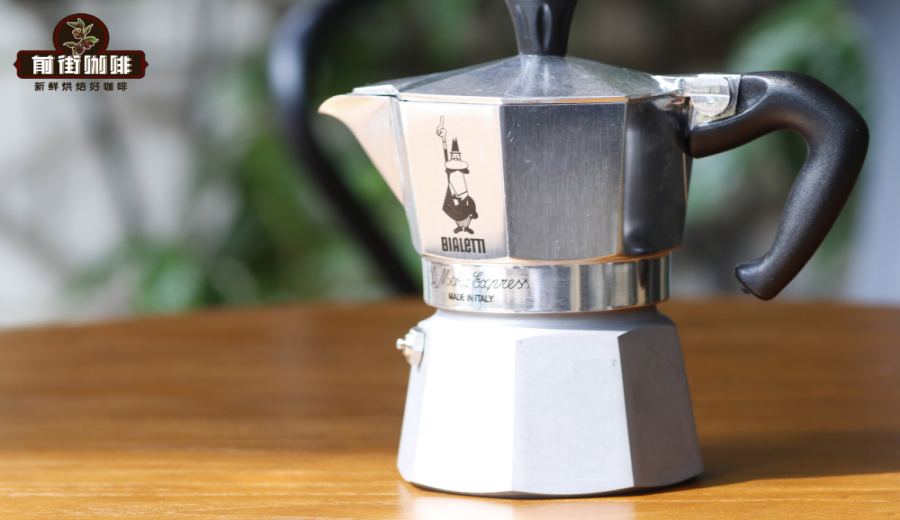
Introduction:As a classic Italian-style coffee brewing tool, whether the filter basket of a moka pot is fully filled or not, as well as the differences between single-valve and double-valve designs, can significantly affect the final flavor profile. This article delves into how coffee dosage impacts extraction strength and acid-bitterness balance, teaching you how to brew a rich-tasting cup even with "half the dose", and comparing the pressure, crema release, and over-extraction risks of single-valve versus double-valve moka pots—helping you choose the right model according to your needs and refine the quality of every cup.
For over ninety years since its inception, the moka pot has remained an essential tool in the homes of many coffee enthusiasts, thanks to its unique pressurized brewing design. With the introduction of new pressurized models, this classic device has once again captured attention. However, many users often encounter questions: does the filter basket need to be fully filled? How do you choose between a single-valve and a double-valve moka pot? This article will thoroughly analyze these key issues, starting with the impact of coffee dosage on extraction effectiveness, and sharing practical tips on how to brew a strong cup even with just half the dose, while also comparing the characteristics of different valve designs to help you better understand how to adjust for your desired flavor.
First, regarding the question of whether the filter basket needs to be filled: the recommendation is to fill it as much as possible. If only half the amount of coffee grounds is used, the resistance encountered by the hot water passing through the coffee layer will be significantly reduced. This leads to a shorter extraction time, resulting in a thinner flavor profile, and may even cause over-extraction or under-extraction. Specifically, when there’s insufficient coffee, the hot water tends to pass straight through the coffee bed without adequately extracting the flavor compounds, possibly resulting in a coffee that’s overly weak or, due to localized over-extraction, one that has sharp acidity and bitterness.
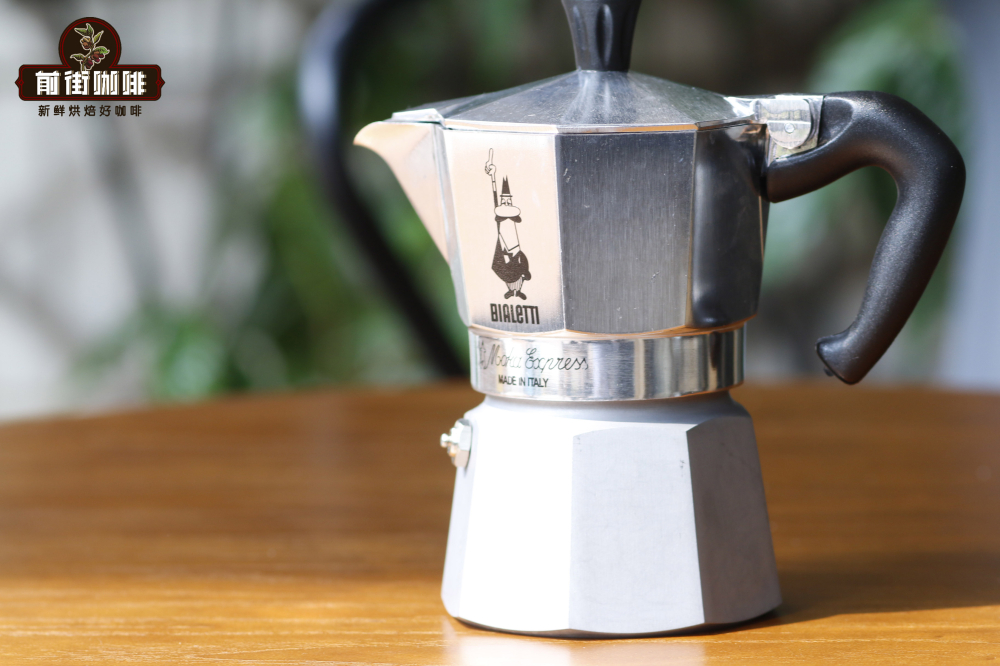
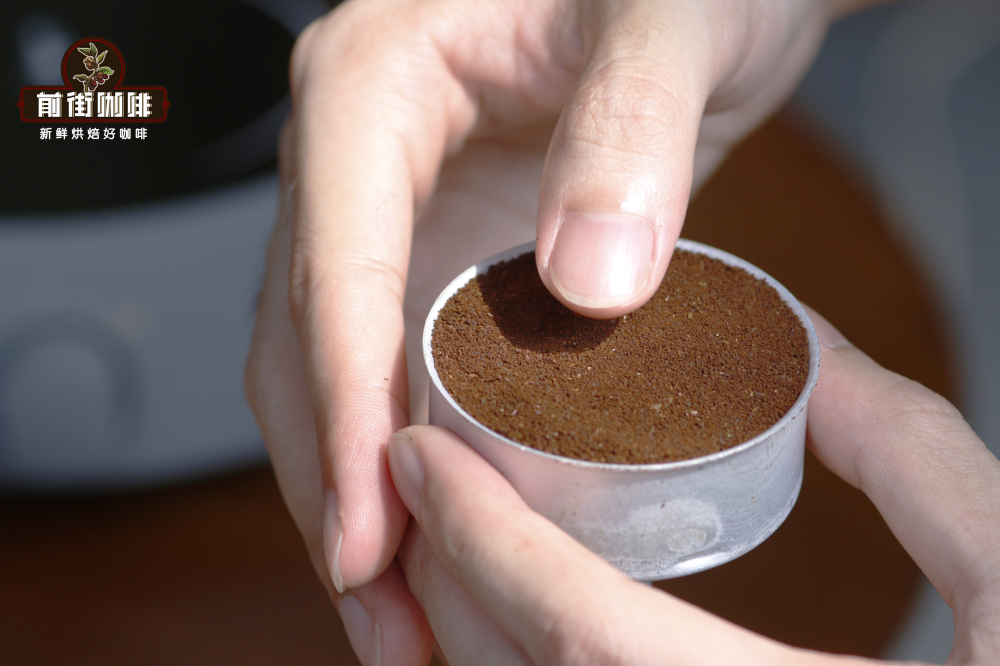
The principle behind this relates to the “channeling effect”: water is inert and will always seek the path of least resistance. When the amount of coffee in the basket is low, the hot water may bypass most of the coffee bed and go directly into the upper chamber, leaving some coffee grounds underutilized while others may become over-extracted from excessive contact. If you really want to try using less coffee, you can adopt the following method: after pouring the coffee grounds into the basket, gently shake it from side to side to allow the powder to settle naturally and pack tightly, then lightly press the coffee layer with the back of a spoon to reduce its thickness to about half. In addition, it’s recommended to pour about half the amount of hot water into the lower chamber before adding the coffee, which helps shorten heating time and avoid over-extraction. As soon as the coffee begins to flow and covers the bottom of the lower chamber, immediately remove the moka pot from the heat source and let the residual heat finish the extraction. This not only maintains concentration but also preserves a layer of fine crema, enhancing the overall mouthfeel.
Next, let’s explore the differences between single-valve and double-valve moka pots. The main distinction between these two designs lies in pressure control and crema (coffee oils) release capability. The structure of a single-valve moka pot is relatively simple—the brewed coffee flows directly out through the small hole at the top with lower pressure, making it more beginner-friendly with a lower risk of over-extraction, ideal for those just starting to use a moka pot. In contrast, the double-valve moka pot adds a pressure valve on top of the hollow tube. When the internal steam pressure reaches a certain level, it pushes open the outlet holes. This design generates greater pressure, helping extract richer coffee oils, thereby enhancing aroma and richness.
However, the high-pressure nature of the double-valve moka pot also comes with a higher risk of over-extraction. If the grind size is too fine or the coffee dose is too high, it can easily lead to bitter, over-extracted coffee. Therefore, when using a double-valve moka pot, more precise control of grind coarseness and coffee dosage is needed. It’s recommended to fine-tune according to actual conditions to find the optimal extraction balance. Overall, the single-valve moka pot has a higher margin for error and is suitable for users seeking stable flavors, while the double-valve moka pot delivers richer oils and flavors but demands more skill and attention—making it better suited for coffee enthusiasts with some experience.
The above content is compiled by CoffeeHunters, a coffee news website.


