







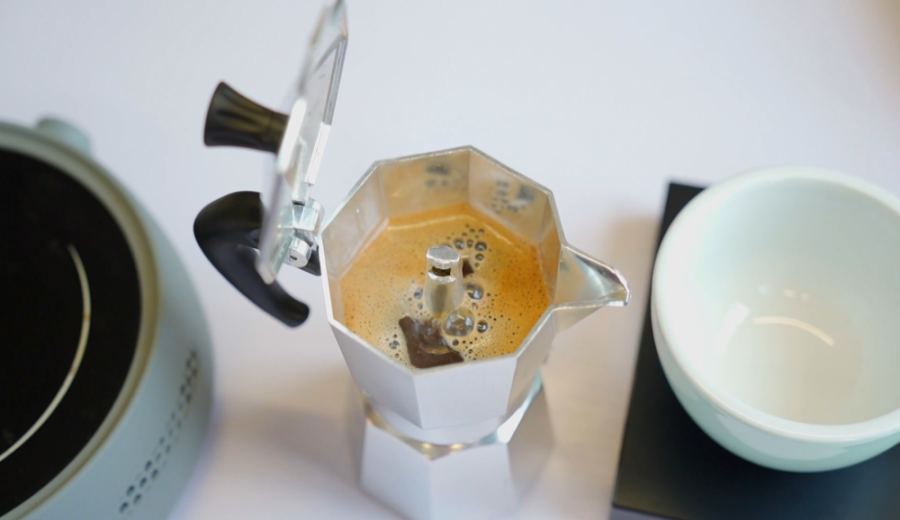
Introduction:To brew a richly flavored, crema-packed espresso-style coffee with a Moka pot, in addition to following the correct steps, factors such as grind size, the difference between single and double valve designs, and the roast level of the coffee beans all play crucial roles. This article delves into the extraction principles of the Moka pot, the pressure differences created by its valves, the ideal grind size range, and offers comprehensive usage and maintenance tips—so you can brew professional-grade espresso at home.
As a classic brewing device beloved by many coffee enthusiasts, the Moka pot is widely popular for its simplicity and ability to produce espresso-like flavors without the need for expensive equipment. However, to consistently brew coffee with balanced flavor and attractive crema, it’s essential to understand the differences between single and double valve Moka pots, and how these affect extraction pressure, coffee crema, and overall richness.
Pressure and Extraction Characteristics of Single vs. Double Valve Moka Pots
The upper chamber spout of a single valve Moka pot is typically an open structure, and the extraction pressure is around 1Bar. The resulting coffee is dark in color with a thicker mouthfeel, but the crema is relatively thin. In contrast, a double valve Moka pot is equipped with an additional pressure valve on the upper chamber, which increases the extraction pressure to 2–3Bar. This higher pressure more effectively extracts the coffee's oils and bold flavors, resulting in a denser coffee liquid and a finer, smoother crema layer. If you’re aiming for an espresso-like taste similar to what you’d get in a café, the double valve design is the better choice.
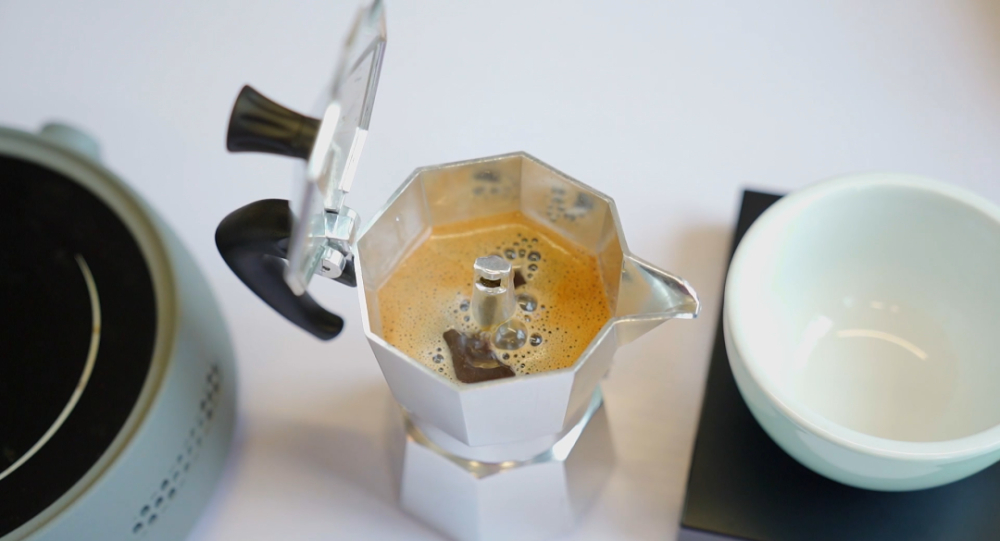
So, which is better—the single or double valve? It really depends on the extraction effect you desire. If you prefer a coffee that’s relatively light-bodied yet still layered, the single valve is sufficient for everyday needs. But if you’re after a richer, more intense coffee experience, the double valve Moka pot clearly has the edge.
Advantages and Limitations of the Moka Pot
The biggest advantage of the Moka pot is its low barrier to entry. Compared to traditional espresso machines, it doesn’t require complex pressure systems or precise settings, and it’s also much more affordable—making it ideal for beginners. However, it does have notable limitations. During heating, the water temperature in most home Moka pots often exceeds 100°C, far higher than the 90–94°C commonly used in professional espresso machines. This high temperature can extract undesirable bitter and astringent compounds from the coffee, resulting in an overly burnt and harsh taste.
Additionally, authentic espresso requires pressure of at least 9Bar, while the Moka pot only achieves about 2Bar. As a result, although its appearance and mouthfeel may resemble espresso, the concentration and complexity of coffee brewed in a Moka pot still fall short of true espresso. That said, for those seeking a quick and rich cup of coffee at home, the Moka pot remains a practical and economical option.
What Grind Size Should You Use for a Moka Pot?
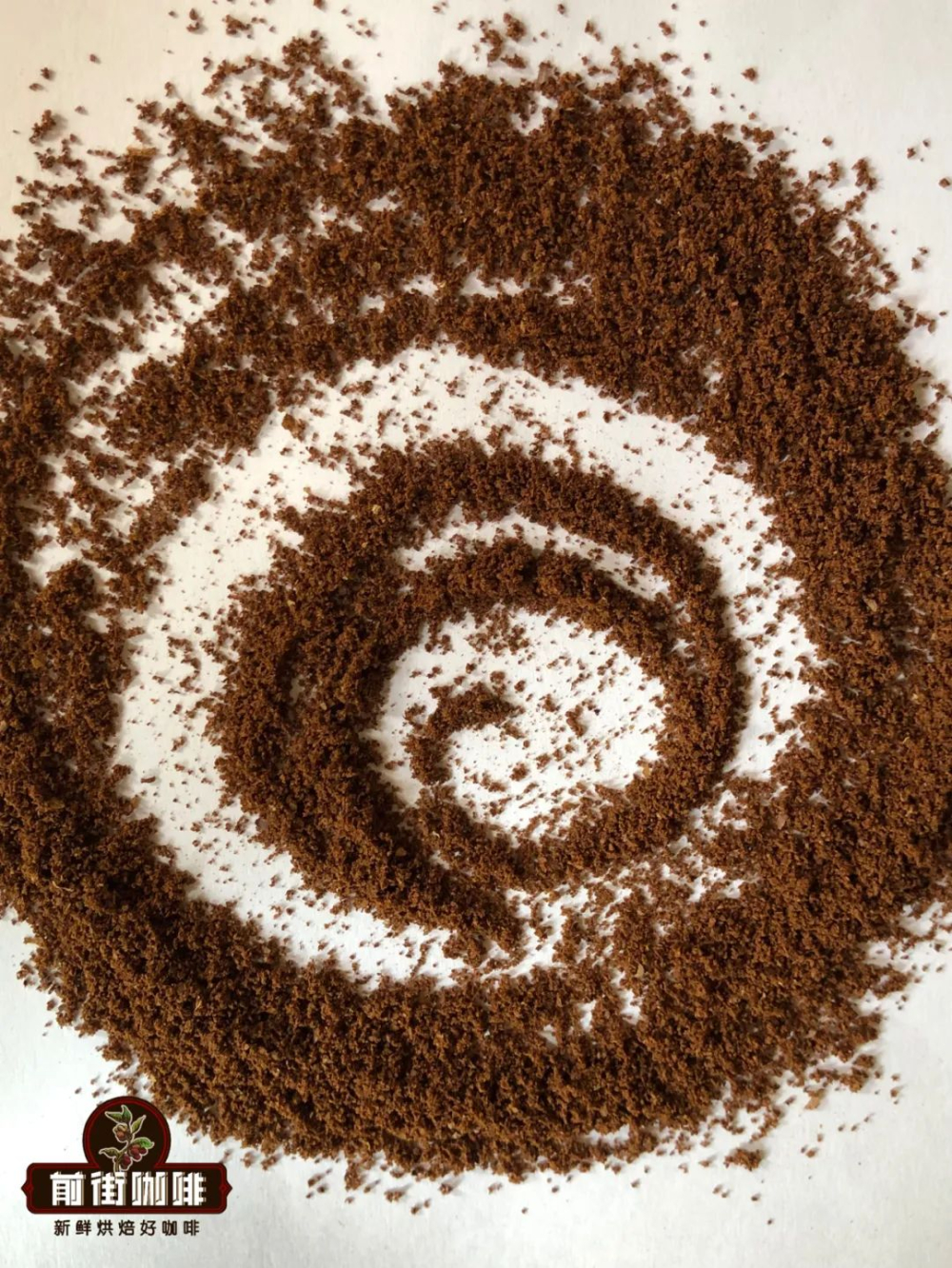
Since the Moka pot uses pressurized extraction, the grind size needs to be finer than that for pour over, but not as fine as the extremely fine grounds used in espresso machines. If the grind is too coarse, water will pass through the coffee too quickly, leading to under-extraction, a weak-tasting coffee, and even potential scalding risks due to water spraying out from insufficient resistance. On the other hand, if the grind is too fine, excessive flow resistance may prevent pressure from being released, and in severe cases, could even cause the pot to explode.
It’s recommended to use a grind setting similar to 3 to 3.5 on an EK-43s grinder—a range that provides sufficient extraction efficiency without accumulating excessive pressure. If unsure, check the edges of the coffee chamber to ensure the coffee grounds aren’t leaking from the seams—that’s a sign the grind is just right.
Ideal Roast Level and Flavor Profile for Moka Pot Coffee
Due to the Moka pot’s short extraction time and high water temperature, it’s better suited to medium-dark roasted coffee beans. Light roasts tend to be harder in texture and require a finer grind for effective extraction. But under high-pressure, high-temperature conditions, fine grounds can lead to sourness and suppress aroma release. Therefore, medium-dark roasted beans are recommended. These beans have already developed rich oils and caramelized flavors, which complement the Moka pot’s pressurized extraction, yielding a bold and balanced cup.
Generally, using freshly roasted coffee beans within 5 days of roasting will yield the best flavor. If you prefer coffee with aromatic oils and a rich mouthfeel, medium-dark roasted blends are a more reliable choice.
Flavor Profiles of Two Classic Italian Blends
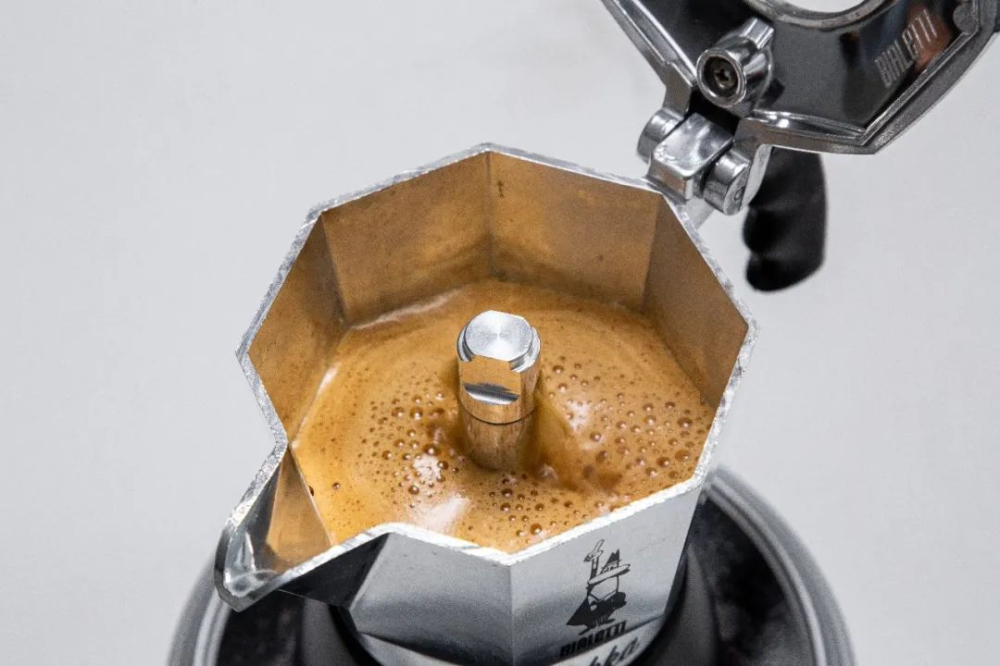
The “Classic Mamba Blend” combines the bold foundation of Mandheling and Brazilian beans with a touch of Robusta for added complexity. It delivers intense notes of caramel, dark chocolate, and nuts, with particularly outstanding crema performance. It suits those who enjoy a thick, bold taste and pairs excellently with hot lattes.
The “Dark Cocoa Blend” is based on Yunnan small beans and Brazilian Red Bourbon, using a medium-dark roast. It offers balanced flavor and great value, with distinct notes of nuts and cream. It’s ideal for making Americano or latte, and is especially recommended for home users looking for cost-effectiveness and daily drinking.
Moka Pot Operation Steps and Precautions
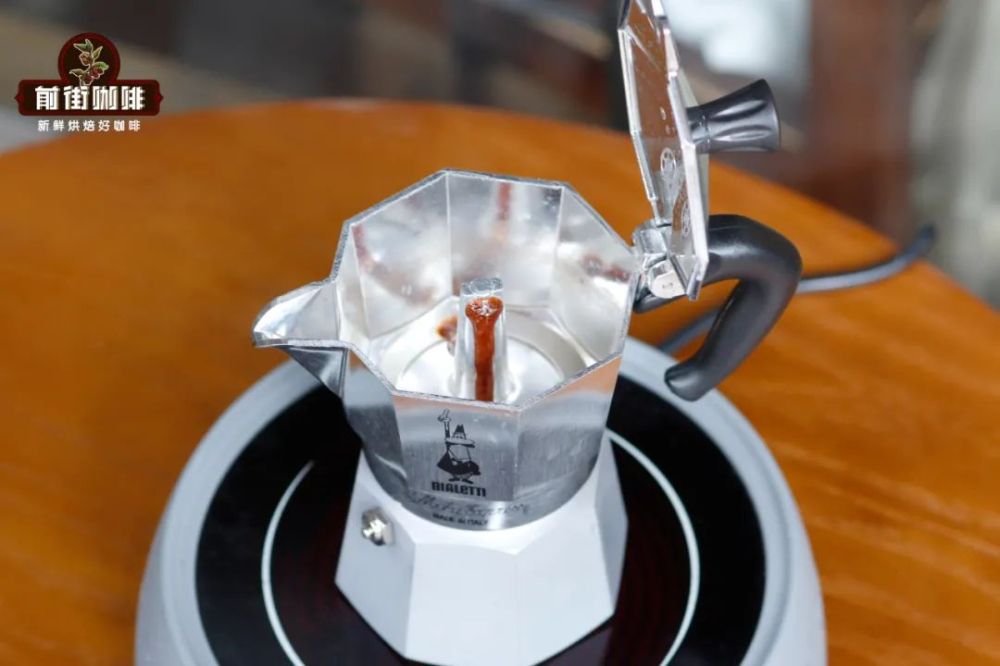
Before using the Moka pot, prepare fresh coffee beans, purified water, a grinder, and a heating tool (such as a gas stove or induction cooker). Start by adding pure water to the lower chamber, keeping the water level about 0.5cm below the safety valve to avoid overflow and potential danger. Next, place the ground coffee (about 18g, depending on the pot model) into the filter basket, leveling it gently without tamping to avoid obstructing water flow.
After assembling the upper and lower chambers tightly, place the Moka pot on the heat source. When using an open flame, ensure the flame doesn’t extend beyond the base of the pot. When you hear a slight hissing sound, it indicates that pressure is building. At this point, reduce the flame to low. Once about half of the coffee has flowed into the upper chamber, turn off the heat and let residual heat finish the extraction.

Finally, it’s recommended to clean the Moka pot immediately after use to prevent coffee residue from affecting the flavor of future brews. Pay special attention to cleaning the filter plate, gasket, and extraction channel to avoid blockages caused by old coffee oils or residue, which can impact pressure performance and coffee taste.
The above content is compiled by CoffeeHunters, a coffee news website.


