







Introduction:In recent years, SOE (Single Origin Espresso) has become a hot topic among many coffee enthusiasts. But what exactly is the charm of this type of coffee that allows it to stand out in the market? This article will delve into the origins of SOE, its differences from traditional blended beans, explore the reasons behind its popularity, and share practical extraction parameters and methods for making a hot latte, as well as key considerations for selection and roasting — helping you easily brew a distinctly flavorful SOE Americano or latte at home.
In recent years, the term SOE has become increasingly common on the menus of many cafés, with some customers even asking upon entering whether it’s available. So, what exactly is SOE? How is it different from the commonly seen blended espresso beans? Why do some SOE lattes or iced Americanos taste noticeably more acidic? This article will analyze how SOE has evolved from an emerging choice into a synonym for flavor expression, starting from market trends and extraction principles. It will also detail extraction parameters, how to make a hot latte, and tips for selecting high-quality SOE beans — helping you brew a stunning cup of SOE coffee at home.
The so-called SOE stands for Single Origin Espresso, translated in Chinese as “单品浓缩咖啡,” which refers to espresso extracted using beans from a single origin. In contrast, blended beans are made by combining beans from different regions according to specific needs. Although it may seem like just a difference in bean source, it actually represents a renewed pursuit of flavor complexity. Traditional espresso often gives off an impression of being burnt and bitter, and there was even a misconception in the past that “oiliness is essential for authenticity.” However, such flavors often stem from the use of dark roasts and a high proportion of Robusta beans in blends — choices made for stability and cost control — which end up masking the unique characteristics of the coffee itself.
According to surveys, most consumers choose coffee primarily for its stimulating effects and taste preferences, with daily drinking habits not yet fully established. As a result, the market still trends toward products that emphasize flavor and individuality. The rise of SOE perfectly fills this gap. Compared to traditional blends, SOE places greater emphasis on the characteristics of a single producing region — such as bright fruit acidity, floral notes, or unique sweetness — allowing consumers to experience a clearer sense of regional terroir when drinking. When these flavors are introduced into espresso, they break the conventional perception that espresso should always be “strong, bitter, and heavy.”
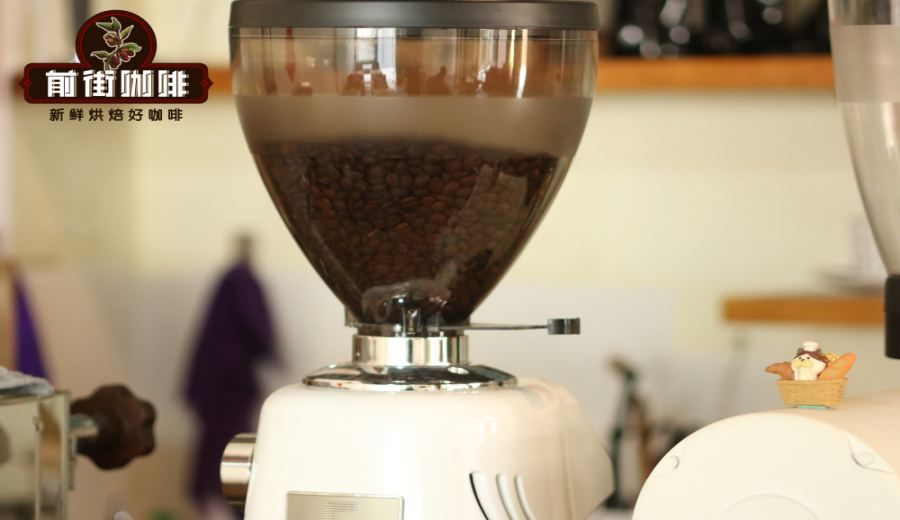
Abroad, some cafés are equipped with multiple grinders, selecting different beans for different drinks. For example, they might use blends for Americanos or lattes to maintain stable performance, but switch to SOE for Flat Whites to showcase more vibrant fruit acidity and layers. This approach has gradually become more common, with some shops even letting customers choose their own espresso bean variety, further enhancing the level of customization.
The popularity of SOE is also closely related to marketing strategies. When certain well-known chain brands launch representative SOE series such as “Huakui 5.0,” they not only successfully attract attention but also lead consumers to assume that “SOE is synonymous with high quality or special flavors.” While the actual performance of each SOE still depends on the bean variety and roasting method, such marketing tactics indeed help shift the public’s perception of traditional espresso. For small coffee shops, launching a uniquely flavored SOE is often an efficient way to establish a brand identity.
However, it’s worth noting that not all single-origin beans are suitable for direct use as SOE. Many people mistakenly believe that simply putting their favorite pour-over single-origin beans into an espresso machine will yield a wonderfully flavorful shot — but they often end up with issues like spraying, excessive acidity, or poor mouthfeel. This is usually because the roast profile of those beans hasn’t been adjusted to meet the demands of espresso extraction. Medium-to-light roasted beans suitable for pour-over, if not appropriately darkened, often release overly sharp acidity under high pressure without the body and balance that espresso requires.
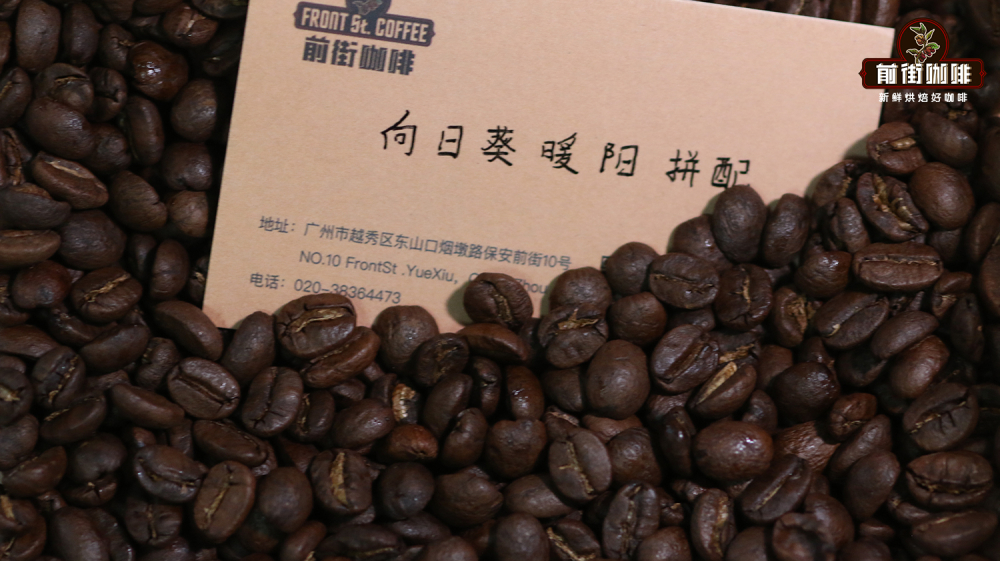
If you want to try extracting SOE at home, choosing a “roast level designed specifically for espresso” is key. Many brands now offer SOE versions tailored for espresso use — for example, sun-dried Ethiopian Huakui or Yirgacheffe-style Konga Red Cherry beans (look for those labeled as “espresso roast”). These beans are usually roasted slightly darker, enabling them to withstand high-pressure extraction while retaining clear fruit or floral characteristics. In addition, the freshness of the beans is extremely important; it’s recommended to choose products roasted and shipped within five days to ensure the flavors are at their peak.
Below are two sets of practical SOE extraction parameters suitable for a standard home double-shot basket (capacity around 18–20 grams):
Bean Recommendations: Ethiopian Natural Huakui or Yirgacheffe-style Konga Red Cherry (choose versions labeled as “espresso roast”)
Coffee Dose: 20 grams
Yield: 40 grams
Coffee-to-Water Ratio: 1:2
Extraction Time: 26–33 seconds
Grind Size: Recommended medium-fine grind, such as Galileo grinder setting 2.0 (can be fine-tuned based on actual flow rate)
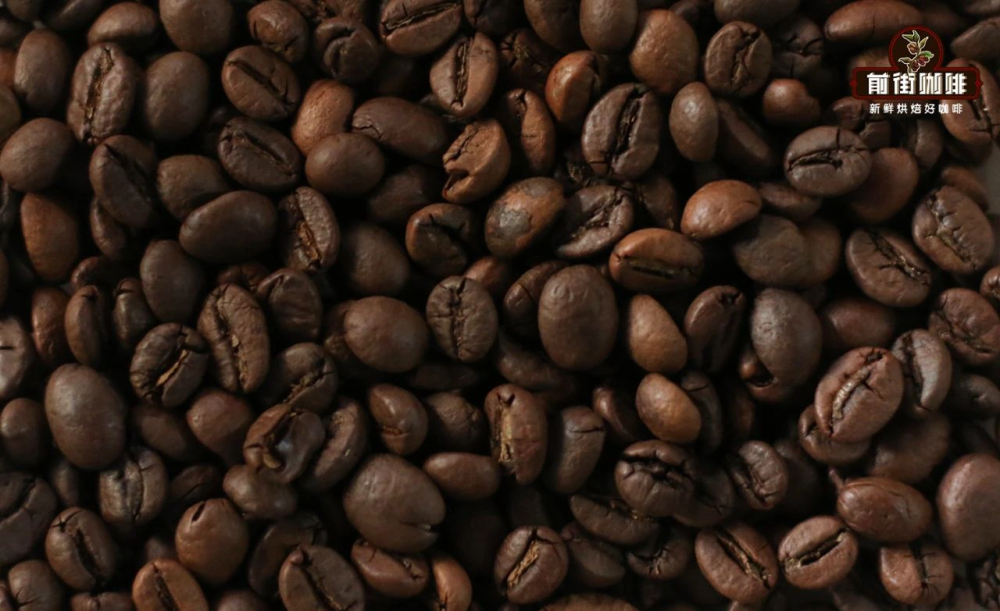
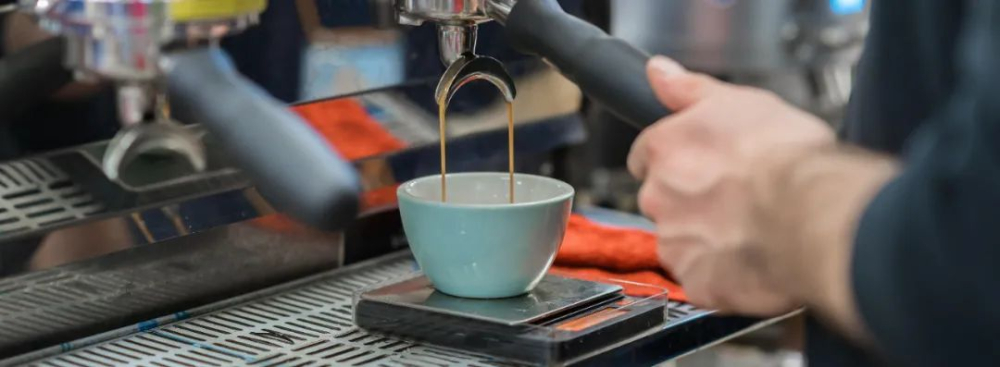
In practice, start by cleaning and drying the portafilter, then grind approximately 20 grams of coffee using your grinder and weigh it precisely with a scale. Distribute the grounds evenly and tamp with appropriate pressure to ensure a stable extraction flow. Preheat the portafilter, then wet it to remove any old coffee residue before locking it in and beginning extraction. When the scale shows 40 grams of coffee has been extracted and the time falls within the 26–33 second range, stop the extraction to complete a rich and bold SOE shot.
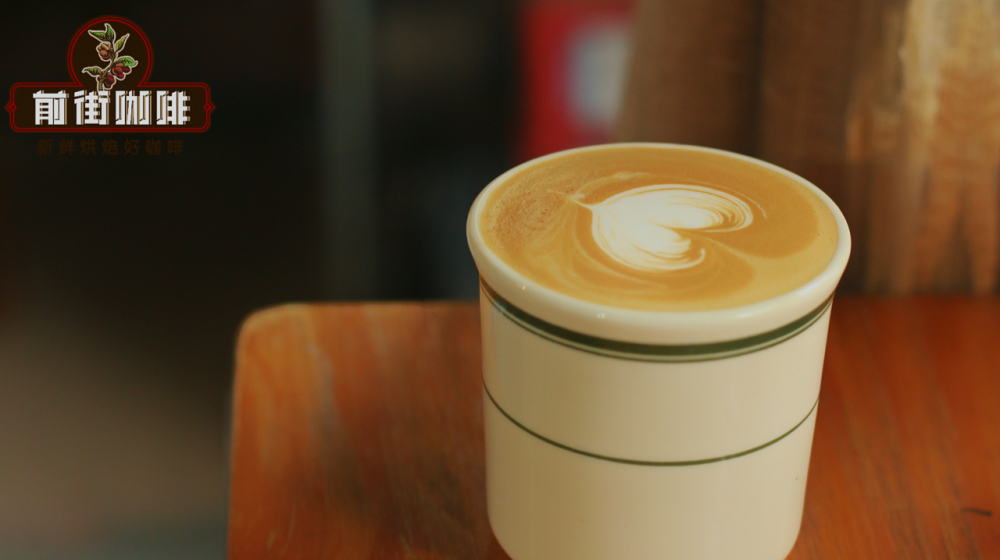
To prepare an SOE hot latte, follow a 1:6 coffee-to-milk ratio — pour 40 grams of the shot into a preheated cup, then steam 240 grams of milk using the steam wand to 50–65°C, ensuring the milk foam is fine and even. Combine the milk with the shot, and you’ll have a distinctly flavored SOE latte. Take Huakui as an example — its balanced acidity and sweetness, along with subtle fruity notes, can give the latte a layering reminiscent of lemon cookies, with a smooth mouthfeel and long-lasting aftertaste.
In summary, SOE is not just a type of coffee choice, but also represents a pursuit of personalized flavor. Whether you’re aiming to recreate classic café tastes at home or exploring your own coffee flavor profile, selecting the right bean variety, mastering the appropriate roast level and freshness, are all key to success. With the correct extraction parameters and equipment, you too can easily enjoy a uniquely your own SOE shot or latte.
The above content is compiled by CoffeeHunters, a coffee news website.


