








Introduction:With its cool, smooth taste and layered flavors, cold drip coffee has become the top choice for coffee lovers in summer. However, many still have questions about its storage methods and the source of its wine-like aroma. This article delves into the brewing principles of cold drip coffee, its sealing and oxidation processes, analyzes the origins of its wine and fruity notes, and provides a complete cold drip brewing guide—including precise ratios, grind size, dripping speed, and dual-bean blending techniques—to help you easily master the essence of cold drip coffee.
Thanks to its low-temperature, long-duration extraction method, cold drip coffee delivers a uniquely refreshing, smooth texture with rich flavor layers, making it especially enjoyable in the hot summer months. However, many people often encounter questions during the brewing and storage process: Should the brewed cold drip be sealed? Why does the coffee develop a wine-like aroma after being refrigerated for a while? This article will start with the principles of low-temperature extraction, detailing the oxidation and preservation mechanisms of cold drip, and guide you on how to create cold drip coffee with fruity and fermented notes through proper brewing procedures and bean blending.
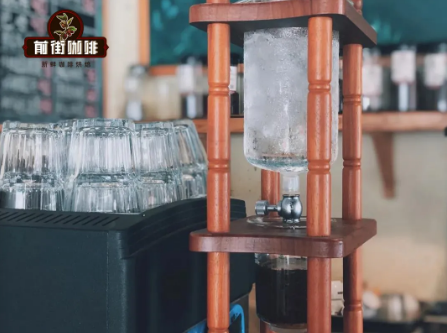
Cold drip coffee is made by slowly dripping ice water over coffee grounds over several hours or even more than ten hours, gradually extracting the essence from the coffee powder. Compared to hot water brewing, the low-temperature environment reduces the release of bitter and astringent substances in the coffee, dissolving only smaller aromatic molecules such as floral and fruity notes. As a result, cold drip coffee often has a cleaner, smoother mouthfeel, a pronounced aftertaste, and preserves the original characteristics of the coffee beans.
However, many people notice that after completing the cold drip extraction, if the coffee liquid is left to sit in the refrigerator for a period of time, its flavor changes noticeably, sometimes even developing a fermented, wine-like aroma. This is not actual fermentation but rather a change brought about by the oxidation process. In a sealed environment, the coffee liquid releases carbon dioxide, creating slight internal pressure that aids in the release and integration of flavor molecules, thereby making the coffee’s aroma more three-dimensional and the mouthfeel richer.
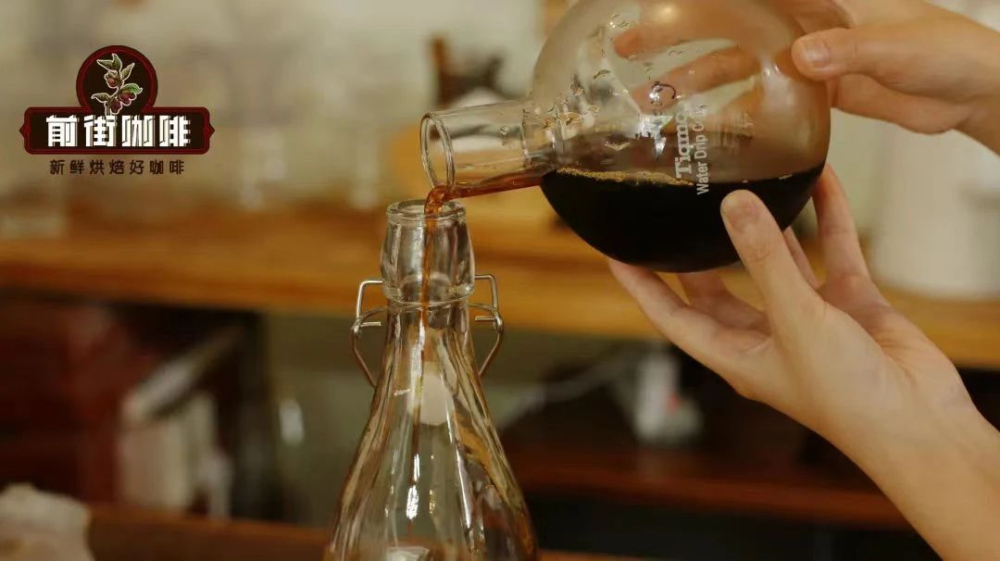
But it’s important to note that while a short period of resting can enhance the flavor, it should not be stored for too long. It is generally recommended to pour the cold drip intoa completely sealed, water-free and oil-freeglass container,and let it rest in the refrigerator for12 to 24 hoursto allow the flavors to reach their optimal state. Beyond three days, there is a risk of spoilage, so it is advised toconsume it within 72 hours
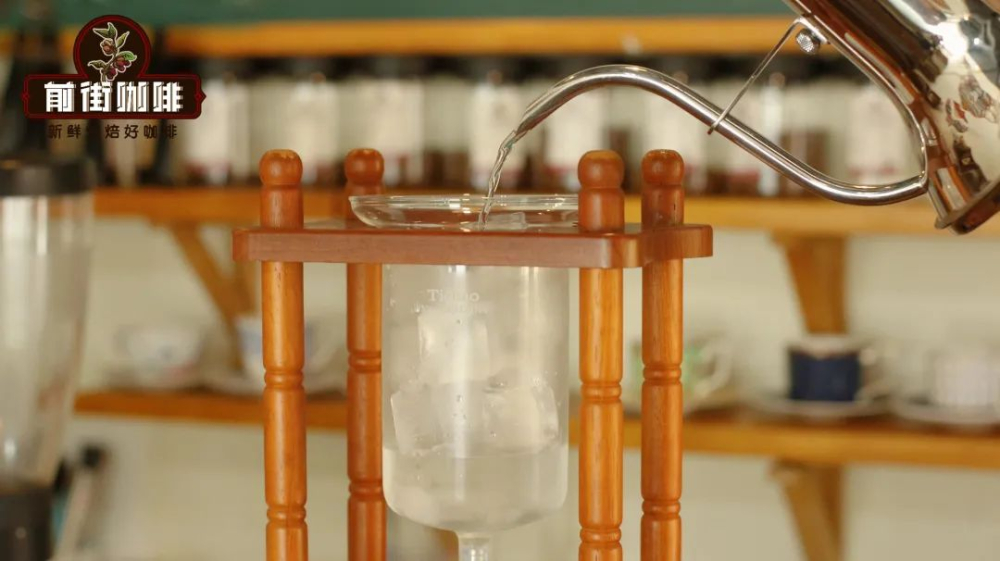
and check for any off-odors by smelling the coffee before drinking.When making cold drip coffee, controlling the ratio and grind size is crucial. It is recommended to usea 1:10 ratio, meaning 60 grams of coffee powder to 600 milliliters of ice water. This ratio strikes a balance between flavor and strength. To prepare the ice water, mix edible ice with room-temperature water at a 1:1 ratio to ensure the extraction process maintains a consistently low temperature. As for grind size, it is suggested to choose a grind similar tothe coarseness of coarse sugar
—slightly coarser than the medium roast pour over grind—to help extend the dripping time and avoid over-extraction.
In practice, start by placing a round filter paper at the bottom of the coffee powder container and lightly wetting it to make it adhere to the walls. Then add the prepared coffee powder and gently level the surface, using a tamper to press it down evenly if needed. Next, cover the coffee powder with another layer of filter paper on top. This prevents the coffee bed from sinking due to prolonged dripping and ensures the water drips evenly through the entire coffee layer.The wetting stage is also very important. Using a small amount of ice water to pre-soak the coffee powder layer, similar to the blooming step in pour over, activates the coffee grounds, improving extraction efficiency and flavor consistency in the subsequent steps. Then, pour the prepared ice water mixture into the dripping bottle and adjust the dripping speed toabout 7 drops per 10 seconds
. This flow rate helps prolong the extraction time, resulting in more refined flavors.
When it comes to coffee bean selection, while single-origin or single-variety beans can showcase specific flavors, using a dual-bean blend is recommended if you want a more layered and distinctive cold drip. For example, pairing a bean with a distinct and aromatic profile with another that enhances fruit acidity and body can create a more balanced and complex overall cup. In practice, you can try blending 40 grams of Colombia Paradise Estate’s Anaerobic Natural Sakura beans with 20 grams of Ethiopia Natural Red Cherry. The former offers herbal, berry, and mint-like aromas, while the latter provides bright citrus acidity and fruity notes. Together, they complement each other to create a cold drip with a fermented character and explosive fruity flavors.
Paradise Estate’s Sakura beans come from the Cauca region of Colombia, grown at an altitude of 2,050 meters, processed using anaerobic natural methods, with the Bourbon variety. Their flavors often include notes of basil, mint tea, and berry jam. The Ethiopia Natural Red Cherry hails from Yirgacheffe, grown between 2,000 and 2,200 meters, processed with traditional sun-drying, classified as G1 grade heirloom, with vibrant acidity and rich fruitiness—making it an excellent choice for achieving the fermented and juicy character in cold drip.
The above content is compiled by CoffeeHunters, a coffee news website.


