







Introduction:Drip bags are an excellent choice for balancing convenience and flavor in a busy life, but many people still find the differences between them and traditional pour over confusing. This article will delve into the similarities and differences in extraction principles between drip bags and pour over, guiding you to understand how to use drip bags correctly—from coffee-to-water ratio, water temperature to pouring techniques—so you can master the ideal extraction parameters step by step and brew a well-balanced cup of coffee easily, whether at the office or at home.
For modern individuals with a 9-to-5 routine who rely on a cup of coffee to kickstart their day, drip bags offer a convenient yet quality-conscious solution. However, many coffee enthusiasts still wonder: what exactly is the difference between drip bags and pour over? And what details are worth paying attention to during brewing? This article will start with the basic definition of drip bags, systematically compare their similarities and differences with pour over, and gradually break down the correct brewing process. It will also explore key factors influencing flavor performance, such as the freshness of coffee beans, water temperature control, and the setting of coffee-to-water ratios, helping you brew a satisfying cup of drip bag coffee whether at home or in the office.
In recent years, with the growing popularity of coffee culture, more and more office workers have developed the habit of having a cup of coffee every day. However, not everyone can casually walk into a café and leisurely enjoy a carefully brewed pour over. For this reason, drip bags, as an alternative that combines convenience with quality extraction, have gradually gained market favor.
So-called drip bags are essentially pre-ground coffee packed into a filter pouch equipped with two "ear-like" supporting structures. These two "ears" can securely hook onto the rim of a cup, providing a stable brewing platform. As long as you have hot water and a cup, you can quickly complete the extraction process anywhere. Compared to pour over coffee, which requires various tools—including a pour over kettle, filter cone, paper filters, grinder, and weighing tools—drip bags are significantly simpler because the grinding step has already been done for you, saving a lot of preparation effort.
Although both drip bags and pour over belong to the category of filtered extraction methods, drip bags are much more beginner-friendly in terms of ease of use and preparation process. For example, if you’re using a commonly available drip bag product, each pack typically contains 10 grams of coffee grounds. Following the common coffee-to-water ratio of 1:15, you’d need to pour about 150 grams of hot water to complete the extraction.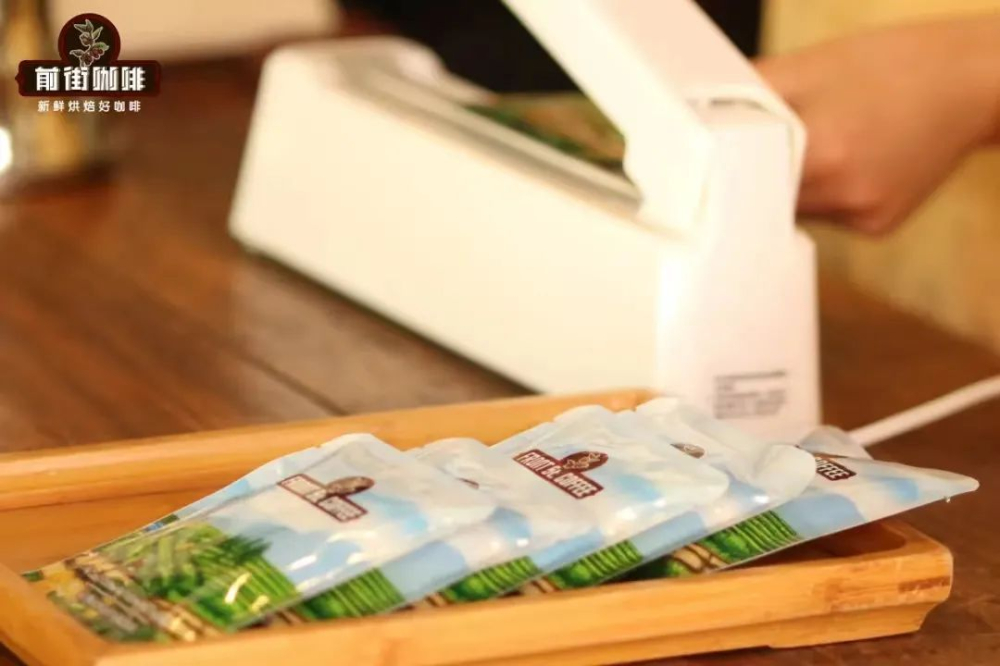
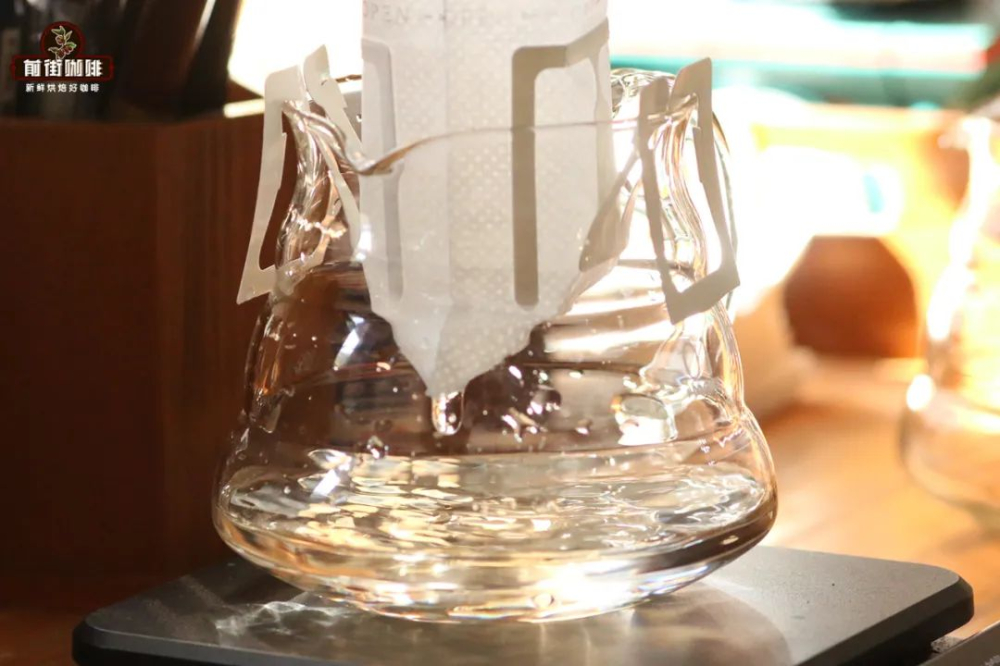
In terms of specific operation, you first need a container to catch the brewed coffee—this could be a server or even a regular drinking cup. You’ll also need a kettle capable of pouring water steadily. Then, open the outer packaging of the drip bag, tear along the dashed line above the pouch opening to remove the non-woven fabric seal, and unfold the two “ears” outward. Once fully opened, place it over the rim of your cup or kettle.
The brewing process can be divided into three stages: first, wet all the coffee grounds evenly with a small amount of hot water—this step is also known as “bloom,” and it’s recommended to last between 10 to 20 seconds to help release the coffee’s aroma and volatile compounds. Next, pour water slowly and steadily with a fine stream until the liquid level nears the rim of the cup, then let the coffee drip through naturally until almost no more liquid flows. Finally, pour the third stage of water until the cup is full. After the whole process, you can gently shake the cup to even out the concentration and enjoy a well-balanced cup of drip bag coffee.
In terms of flavor performance, drip bags and pour over are similarly influenced by factors such as coffee bean origin and processing methods, but there is one key difference: the coffee grounds in drip bags are pre-ground. This usually means they don’t deliver as rich or vibrant an aroma as freshly ground coffee. Once coffee beans are ground, their surface area exposed to air increases significantly, causing volatile aromatic compounds and carbon dioxide to dissipate rapidly, which notably shortens the optimal flavor window. If the coffee grounds are left sitting for too long, they may even develop stale, cardboard-like, or woody notes, negatively affecting the overall drinking experience.
Therefore, choosing freshly roasted drip bag coffee is crucial. It is recommended that consumers consume the product as soon as possible after purchase to ensure they enjoy the richest layers of flavor. In addition, water temperature is another important parameter affecting extraction efficiency. Generally speaking, the ideal water temperature range for pour over is 86 to 93 degrees Celsius. If the water temperature is too low, it can lead to under-extraction, resulting in a thin or astringent flavor. If you can’t control the water temperature, consider extending the contact time between the coffee grounds and water to compensate for the lower extraction efficiency.
Another factor that shouldn’t be overlooked is pouring speed and total water volume. It is recommended to follow a 1:15 coffee-to-water ratio, which can be slightly adjusted based on personal taste preferences. If the pouring speed is too fast, the overall brewing time will be shortened, which can lead to uneven extraction or overly light flavors. Therefore, it is advised to pour with a steady and fine stream to ensure the coffee grounds are evenly saturated, thus extracting a more complete spectrum of flavors.
The above content is compiled by CoffeeHunters, a coffee news website.


