







Introduction:Cold brew coffee, with its simple preparation and unique flavor profile, has become a top choice for many coffee enthusiasts to make at home. This article delves into the cold brew process, key parameters, and common questions—including whether it’s still suitable to drink after refrigerating overnight, an evaluation of the practicality of store-bought cold brew kits—and provides a detailed guide using a 1:10 coffee-to-water ratio. By exploring the differences between cold brew and cold drip, suitable coffee bean selections, and storage methods, we help you easily enjoy a smooth, sweet-and-acidic balanced cup of cold brew at home.
In recent years, cold brew coffee has gradually risen as a popular option for making coffee at home—not only because it has a low barrier to entry and doesn’t require professional equipment, but also because it can be done with just a few simple tools and a bit of patience. This article will comprehensively explore the methods, flavor characteristics, and practical benefits of cold brew coffee, while addressing common reader questions such as whether store-bought cold brew kits are worth buying and whether cold brew can be stored overnight. Additionally, we’ll share a practical cold brew recipe—using 50 grams of coffee beans with 500 milliliters of room-temperature water at a 1:10 coffee-to-water ratio—to extract a richly flavored coffee liquid with a refreshing fruity aroma.
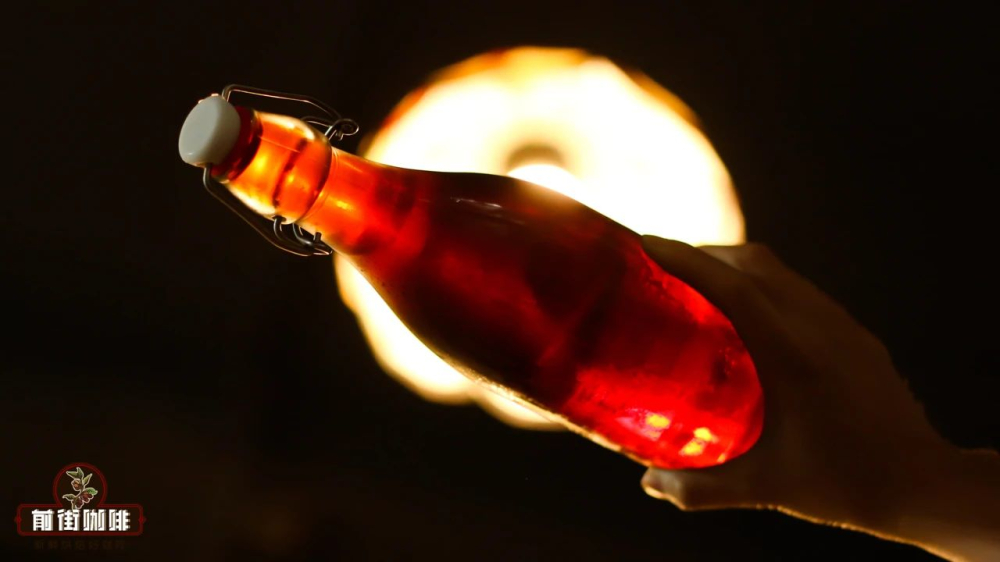
There are various ways to make iced coffee, from the technique-focused cold drip and skill-oriented ice pour-over, to the convenient and widely loved cold steeping method. Among them, “cold steeping” is referred to differently in various regions, such as Cold Brew, cold brew coffee, or cold steeped coffee—but the core principle remains the same: using cold water to steep coffee grounds for an extended period to extract flavor compounds. This method doesn’t require professional equipment; everyday household containers like glass bottles or sealed jars can be used to get started with ease.
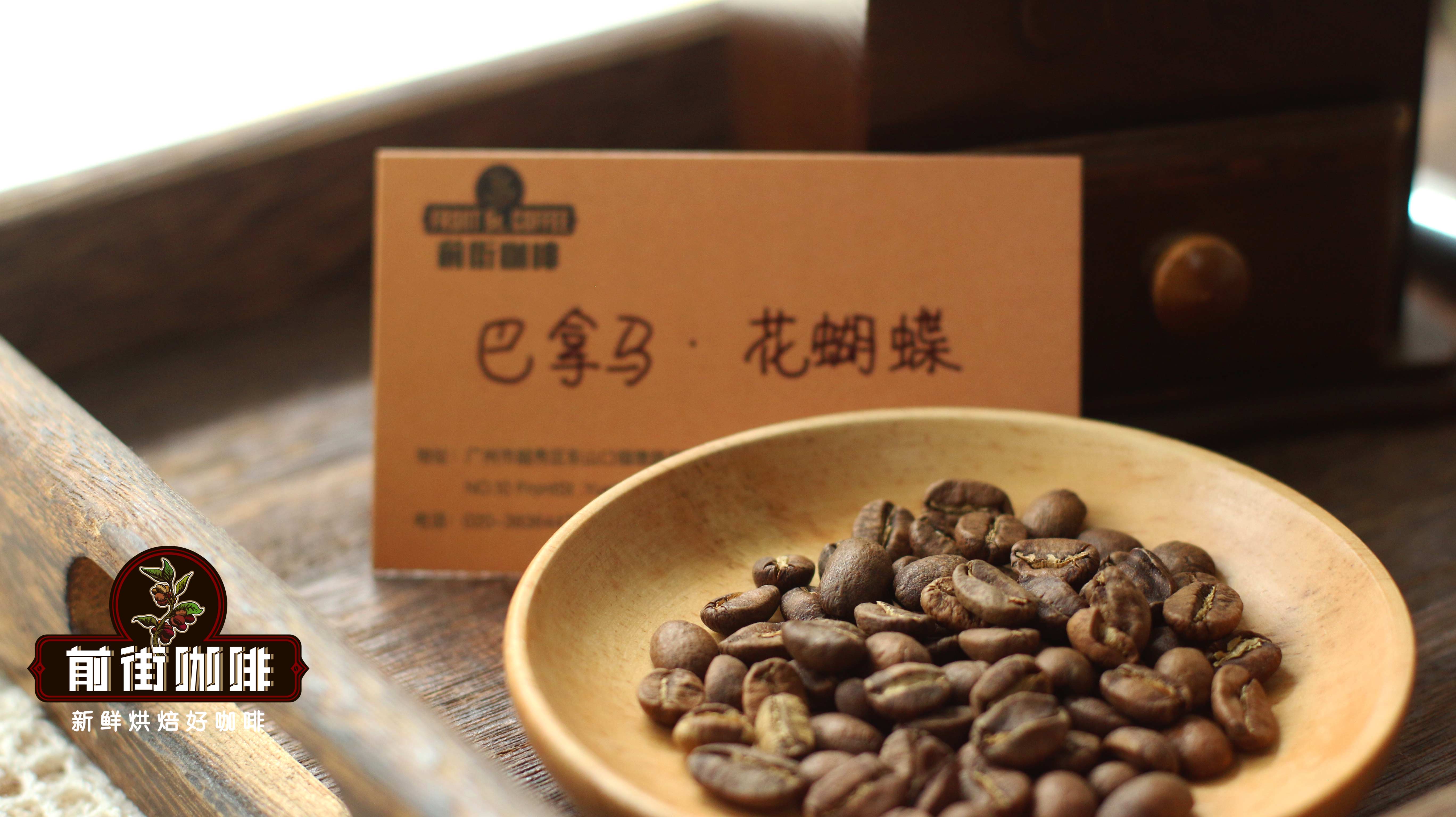
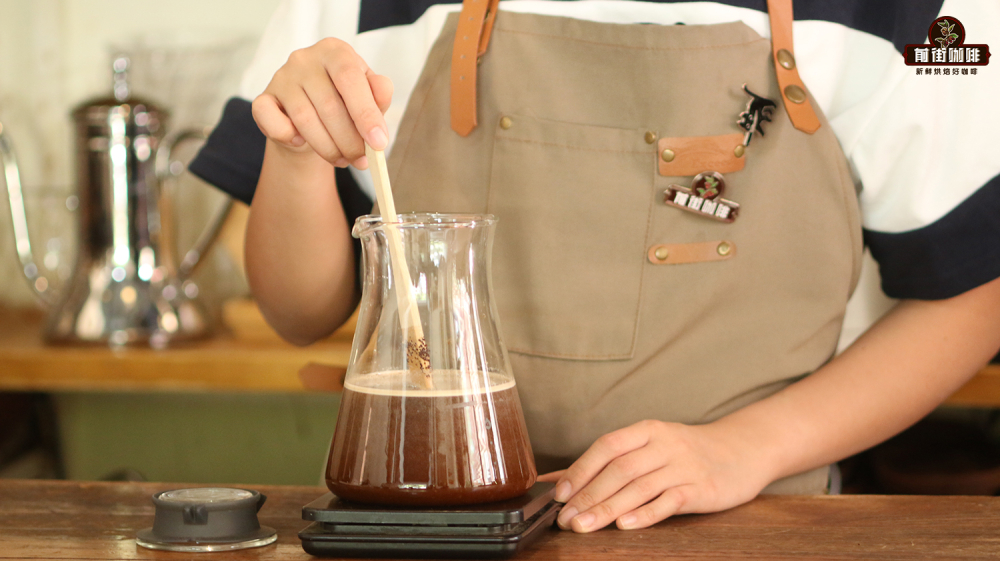
Here are the practical steps for making cold brew coffee at home: First, prepare about 50 grams of coffee beans. It’s recommended to choose medium-dark or medium roast beans to achieve a rich yet moderately acidic profile. Grind the beans to a coarse consistency, roughly around 65% of passing through a standard #20 sieve—similar in texture to coarse sugar. Next, pour the ground coffee into a clean, sealed container and slowly add 500 milliliters of room-temperature water. It’s advisable to use filtered or purified water to avoid impurities affecting the flavor. Gently cover the container and shake it well to ensure the coffee grounds and water are evenly mixed. Then place it in the refrigerator and let it steep for about 12 to 14 hours, allowing the coffee flavors to slowly release in the cool environment. After extraction, use filter paper, a filter cloth, or a fine mesh sieve to remove the coffee grounds. The resulting coffee liquid can be enjoyed immediately or transferred to a sealed container and refrigerated. It’s recommended to consume within two days to maintain optimal flavor. This 1:10 coffee-to-water ratio is designed to fully extract the aromatic compounds in the coffee, resulting in a rich taste with a distinct fruity acidity. If you prefer a crisper taste, you can adjust by adding ice cubes as desired.
The popularity of cold brew coffee mainly stems from its multiple advantages. First, the cold brew process effectively preserves the water-soluble aromatic compounds in coffee beans. Compared to hot brewing methods, it more fully presents the original aroma characteristics of the coffee, making the olfactory and taste experience during drinking more consistent. Second, cold brew coffee generally has lower bitterness and a richer, smoother overall mouthfeel, with some flavor notes even resembling the fermented aromas of lightly brewed alcoholic beverages—an impression that’s quite memorable. In addition, making cold brew at home allows you to select high-quality coffee beans according to your preferences, and in the long run, can also save on the cost of purchasing pre-made cold brew drinks. Finally, the cold brew process can also make effective use of coffee beans stocked at home, even mixed beans, and the spent coffee grounds can still be repurposed as natural deodorizers—for the fridge or bathroom—achieving environmentally friendly reuse.
In response to common reader questions, here are detailed answers: First, regarding the practicality of store-bought cold brew kits—since the aroma compounds in coffee powder can easily volatilize over time after grinding, if the coffee powder in the kit is not freshly ground, the final extracted flavor will be noticeably inferior compared to cold brew made from freshly ground whole beans. Second, regarding shelf life, cold brew coffee made using the method described in this article, as long as it is stored in a well-sealed glass jar or airtight container and kept refrigerated, can usually be preserved for several days with the flavor remaining at a certain level. As for the acidity issue, the acidity performance of cold brew coffee is closely related to the roast level of the coffee beans. If you choose a light roast with bright acidity, the resulting coffee will exhibit a rich fruity acidity; conversely, if you prefer a lower-acid taste, you can opt for medium-dark roast, wet-hulled, or anaerobically processed coffee beans, which can effectively reduce the overall acidity. Additionally, regarding caffeine content, although cold water extraction results in slightly lower caffeine levels than hot water brewing, it is still directly related to the coffee bean variety and is not a phenomenon unique to cold brew.
In terms of grind size, it’s recommended to adjust based on your usual pour-over habits—the general guideline is a coarseness similar to white sugar or slightly coarser, which helps avoid over-extraction and maintains a balanced mouthfeel. As for the difference between cold brew and cold drip, cold drip coffee involves using cold water combined with ice cubes to slowly drip through coffee grounds drop by drop for extraction—a slow process with noticeable fermentation flavors. In contrast, cold brew coffee involves steeping the coffee grounds and water together in a container, letting it sit in a cool environment for several hours before filtering, resulting in a more rounded overall flavor and a richer layering of aromas. Finally, regarding coffee bean selection, although all varieties can be tried, it’s recommended to choose a bean type that suits your personal taste preferences. Through self-adjustment, it becomes easier to extract an ideal cold brew that matches your own flavor profile.
The above content is compiled by CoffeeHunters, a coffee news website.


