







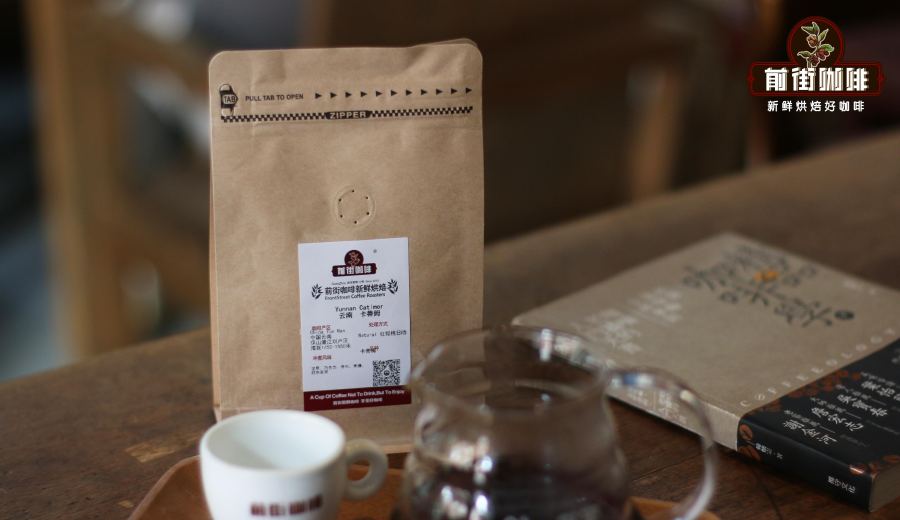
Introduction:Do you know how Yunnan transitioned from commercial beans to the specialty coffee stage? This article provides an in-depth yet easy-to-understand overview of Yunnan coffee’s evolution—from its planting history and main varieties to washed and natural processing methods. It analyzes the characteristics of the mainstream Catimor and revived Typica, and shares practical flavor profiles and pour over recommendations to help you grasp the unique charm of these highland beans.
When it comes to Yunnan coffee, many people have one question: does it really deserve to be called specialty? In fact, this highland region in southwestern China has undergone multiple changes in variety and technique since coffee was first introduced over a hundred years ago, and is now gradually carving out a place in the global specialty coffee market. From the first coffee trees planted by French missionaries to Nestlé’s promotion of the Catimor variety, and to local farms’ efforts to revive traditional Typica, Yunnan coffee is writing a story of transformation—from high volume and average quality to refined diversity.
The Historical Evolution of Yunnan Coffee
Going back to 1904, French missionary Téodore Monnier planted the first coffee seeds in Yunnan, marking the beginning of a century-long relationship between this land and coffee. In the 1950s and 1960s, in response to demand from the Soviet Union and Eastern European markets, Yunnan began expanding the cultivation of small-bean coffee, with the Ludian Dam becoming the country’s first export base for small-bean coffee. However, due to backward processing techniques, limited roasting knowledge, and insufficient awareness among coffee farmers, Yunnan coffee was long relegated to being a bulk commercial bean or instant coffee ingredient—cheap and mainly sold to international big brands.
It wasn’t until 1988, when Nestlé officially invested in Yunnan’s coffee industry, that a turning point came. In 1992, Nestlé established a coffee agriculture department and introduced the high-yield and rust-resistant Catimor variety from Portugal, Costa Rica, and Thailand, gradually expanding cultivation to nearly 180,000 mu in the Ludian Dam. This move significantly increased production and established Catimor’s dominance in local cultivation, which still accounts for over 90% of Yunnan’s coffee acreage today.
Catimor: High Yield and Disease Resistance but Once Widely Misunderstood
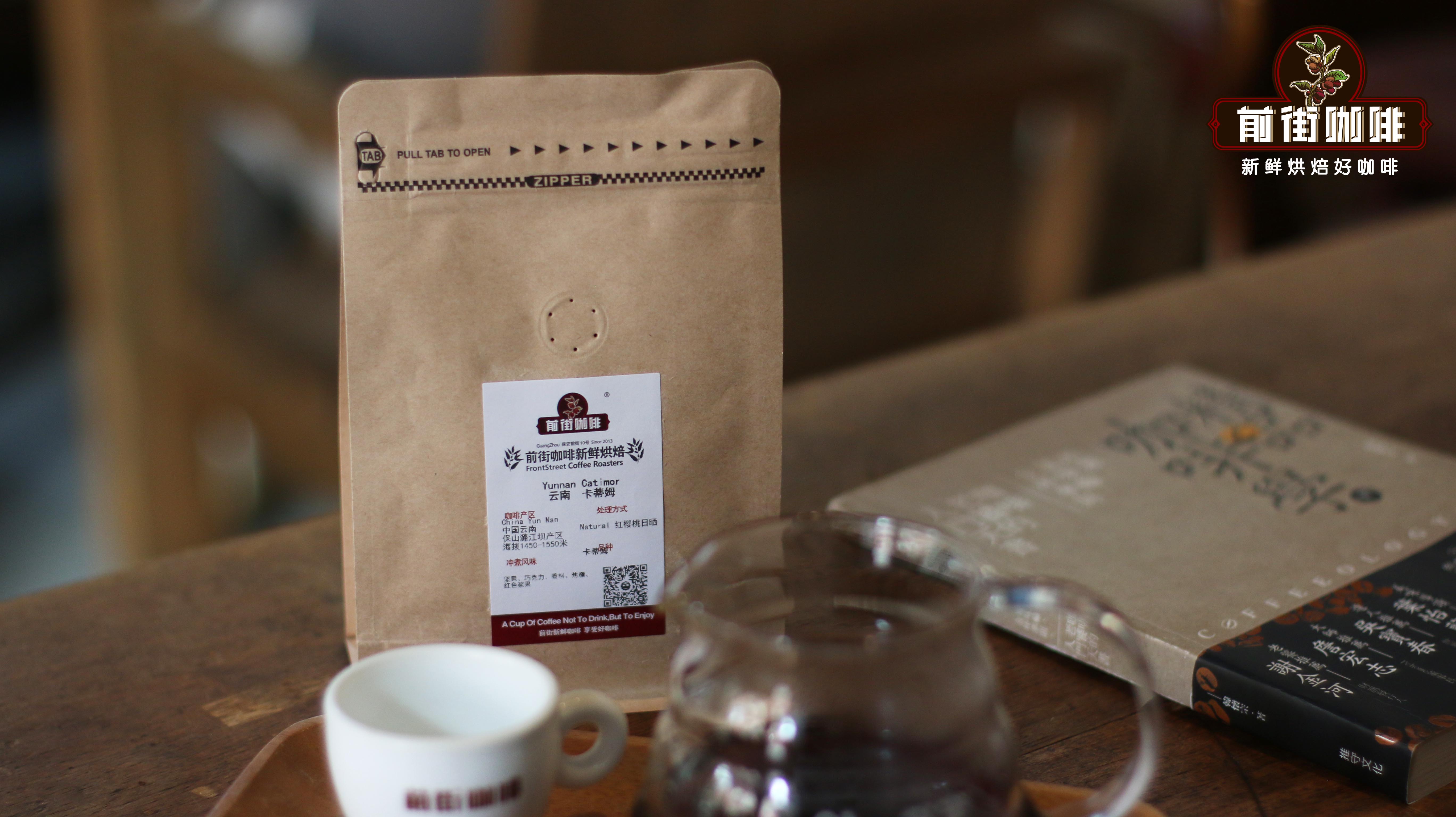
Catimor 7963 is a hybrid variety developed by Portugal’s Instituto de Investigação Científica Tropical (HCT) to combat coffee leaf rust. Its parentage includes the disease-resistant Timor and Caturra, along with about a quarter of Robusta lineage. This gives Catimor a compact tree structure, vigorous growth, extremely high yield, and outstanding resistance to rust, making it a favorite among coffee farmers.
However, the Robusta genes also make Catimor prone to stronger, even earthy and harsh bitter flavors, especially when processed improperly, often described as having a “devilish aftertaste.” Nevertheless, with advances in cultivation and post-harvest techniques in recent years, more farms are improving Catimor’s flavor profile through refined management and optimized processing, allowing this variety to showcase a more balanced taste.
It’s worth noting that although Catimor is currently Yunnan’s dominant variety, its rust resistance gradually declines after 20 to 30 years of planting, making variety renewal a key issue for future development. New varieties, including Geisha, are now being trialed in Yunnan, bringing more possibilities for future coffee flavor diversity.
Revival of Typica: Flavor Potential at High Altitudes
To explore the relationship between variety and flavor, as early as 2013, some farms in Yunnan’s Lincang region introduced ancient Typica and a small amount of Bourbon varieties for small-scale cultivation experiments. As one of the most classic Arabica varieties, Typica offers clear fruity acidity and delicate texture, but it grows slowly, yields low, and is susceptible to various diseases, requiring high standards for growing environment and management techniques. Generally, only at high altitudes can Typica fully express its unique berry, floral, and sweet notes.
After seven years of careful cultivation, the first harvest finally arrived in 2020 and was launched to the market under the name “2013.” This Typica from the farm’s own estate, processed via natural sun-drying, fully showcases its sweet richness and complex layers, becoming one of the representatives of Yunnan coffee’s flavor transformation.
How Does Processing Affect Yunnan Coffee’s Flavor?
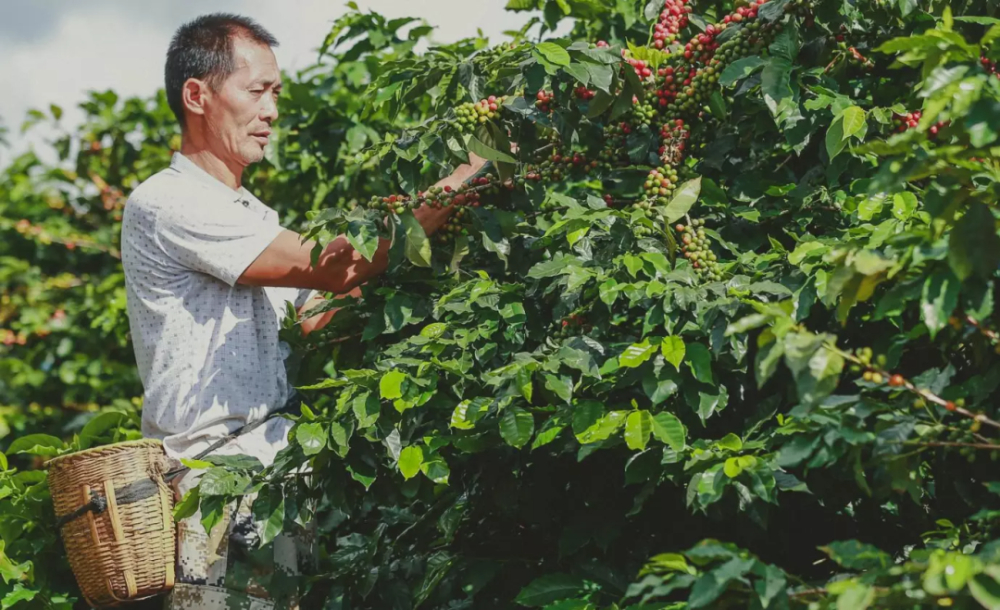
Many businesses use various flavor-enhancing techniques to mask the beans’ inherent flaws. While these can create enticing aromas, they often fail to reflect the true essence of Yunnan coffee. In fact, for most Yunnan coffee regions, the most common processing methods remain the traditional and relatively economical washed and natural processes.
Washed ProcessingThe steps include: first removing the coffee fruit’s skin and pulp, placing the mucilage-covered seeds in a fermentation tank where microbial action breaks down the pulp layer, then thoroughly washing them with clean water, and finally evenly spreading the beans to dry naturally for about 1 to 2 weeks. This method effectively reduces defect rates, enhances overall flavor purity and consistency, and is a classic technique for presenting clean acidity and delicate aromas.
Natural (Sun-Dried) Processinginvolves placing whole coffee cherries directly under the sun to dry slowly, with constant turning to ensure even dehydration. This method retains more sugary pulp content, thereby imparting richer sweetness and complex fermented flavors. A certain brand’s “2013 Natural Typica” showcases this process by bringing out the full potential of Typica.
Flavor Characteristics and Practical Brewing Suggestions
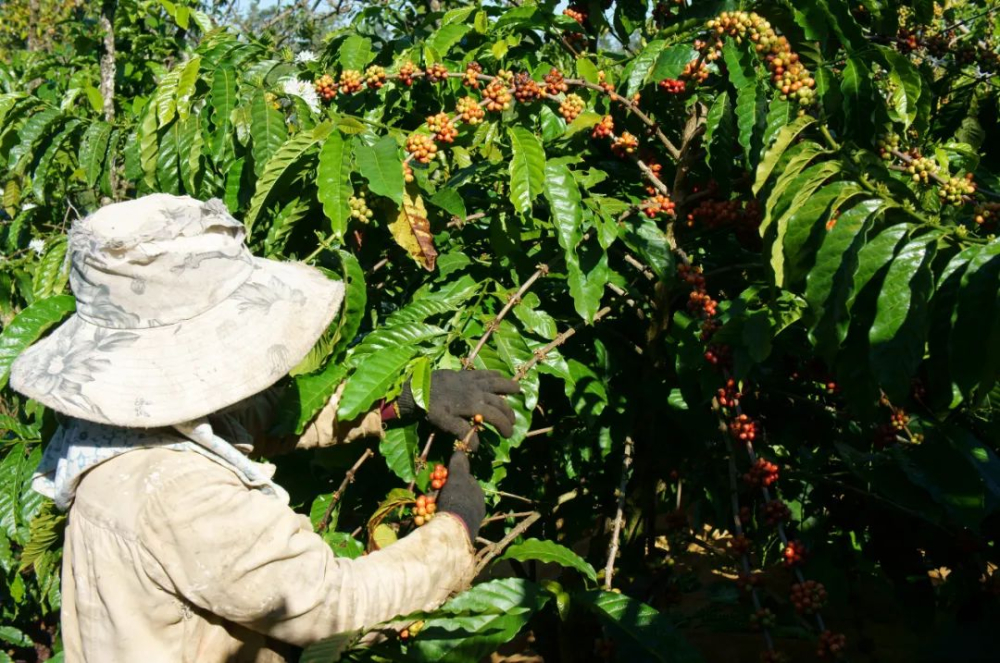
For those new to Yunnan coffee, commonly heard flavor descriptions include brown sugar, nuts, chocolate, and even subtle fruity acidity and herbal notes. The formation of these flavors is closely related to the variety, but processing method and roast level are also key factors. Medium roast is generally recommended, as it highlights the roasted aromas of chocolate and nuts while retaining moderate acidity to create a balanced flavor structure.
Pour over brewing suggestions are as follows:
- Filter: Hario V60
- Coffee dose: 15g
- Water temperature: 90°C
- Grind size: Approximately 75% passing through a #20 sieve (medium-fine grind)
- Brew ratio: 1:15
- Pouring method: Three pours. First, bloom with twice the coffee dose (about 30g) of water for 30 seconds. Then pour in a small stream in a circular motion from the inner circle outward to 125g, wait for the water level to drop, and continue pouring to 225g. Total brew time is about 2 minutes.
In actual cupping, washed versions of Yunnan’s small-bean everyday beans often exhibit aromas of nuts, herbs, brown sugar, and caramel, with a soft fruity sweetness and plum-like acidity on the palate, overall balanced and clean. Meanwhile, the natural Typica showcases rich chocolate, fermented berries, black tea, and sugarcane notes in the finish, offering a bold yet layered experience—it’s a highland flavor masterpiece worthy of savoring.
The above content is compiled by CoffeeHunters, a coffee news website.


