







Introduction:Yunnan small-grain coffee has gained significant attention in recent years, but many still have questions about its varietal origins, regional characteristics, and whether it can be considered specialty coffee. This article delves into the evolution of Yunnan coffee from Typica to Catimor, introduces the environments of its main producing regions and grading standards, and through the processing and pour over recommendations of natural Typica, helps you grasp the unique flavors and brewing techniques of Yunnan beans.
Yunnan coffee is gradually gaining recognition in the domestic market, but many consumers still have numerous questions: why is it called "small-grain"? Can it be classified as specialty coffee? What is the connection between Typica and Catimor? Starting from the origin of the varieties, this article takes you through how Yunnan coffee transitioned from early Typica to Catimor, analyzes the characteristics of the main producing regions and grading methods, and further explores the processing features and pour over suggestions of natural Typica, helping you gain a more comprehensive understanding of Yunnan coffee’s potential and flavor profile.
The Origin of Yunnan Small-Grain Coffee: Starting with Typica
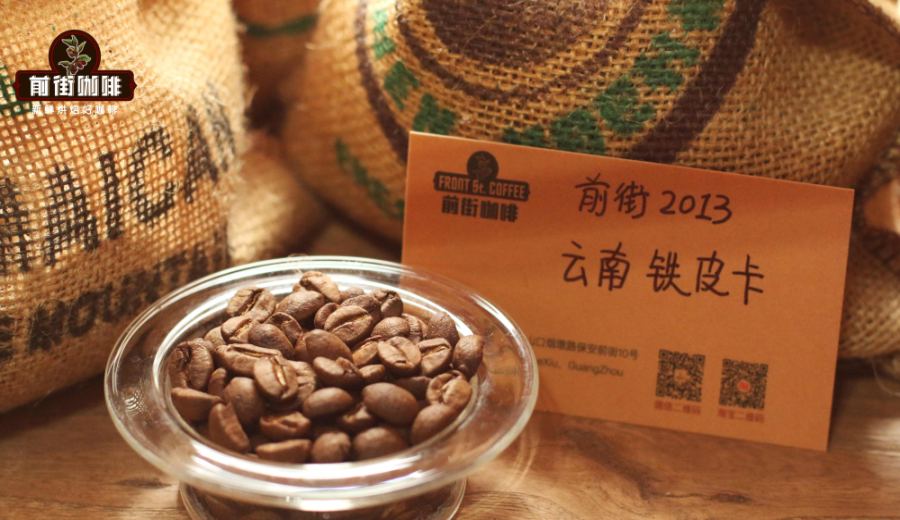
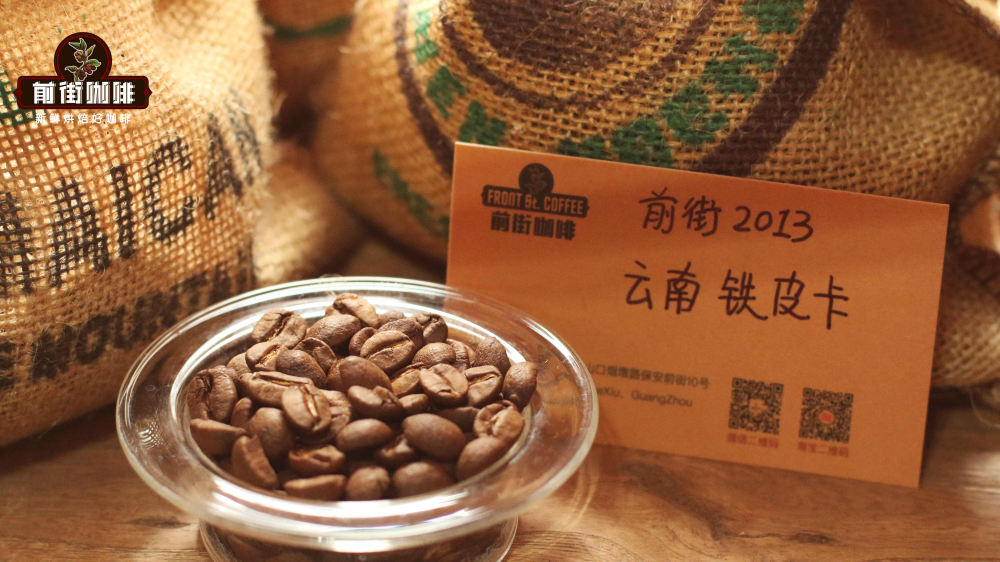
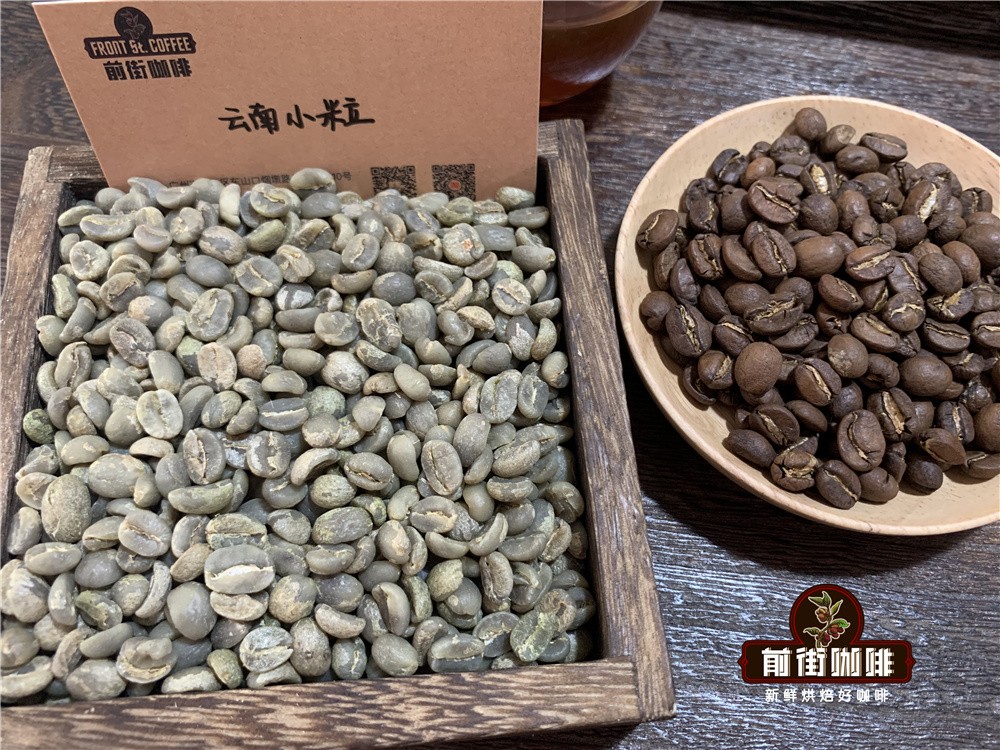
When it comes to "Yunnan small-grain," it actually originates from the earliest variety planted in the region—Typica. Typica is a small-bean variety of Arabica and was the first coffee variety introduced to Yunnan. However, due to its low resistance to diseases and limited yield, it was later gradually replaced by Catimor, which has stronger disease resistance and higher yields, driven by international brands such as Nestlé. Today, over 90% of the coffee seen in the Yunnan market is of the Catimor variety.
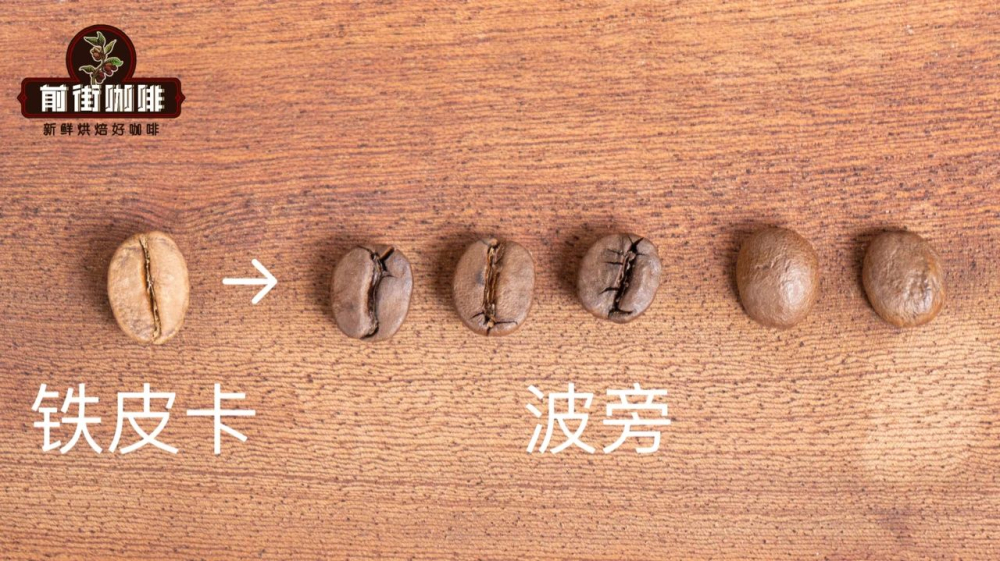
Although Catimor is often considered to have a coarser flavor—sometimes even described as having a so-called "devil’s finish"—due to its partial Robusta genetic background, its performance has improved significantly with advancements in cultivation and post-harvest processing techniques. In contrast, although Typica has low yields and is susceptible to diseases, when grown and processed properly, it can exhibit a more delicate and layered flavor profile.
Main Producing Regions and Natural Conditions of Yunnan Coffee
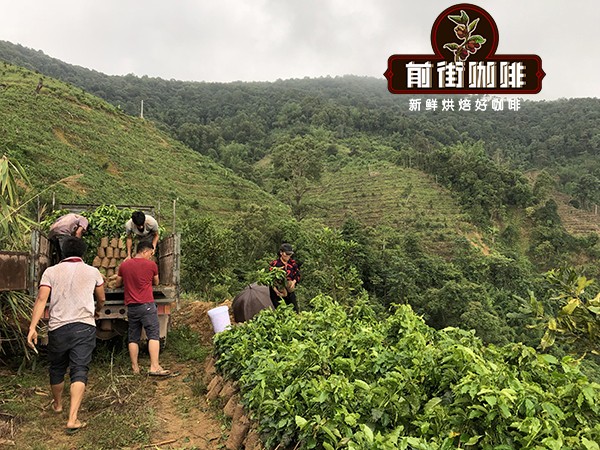
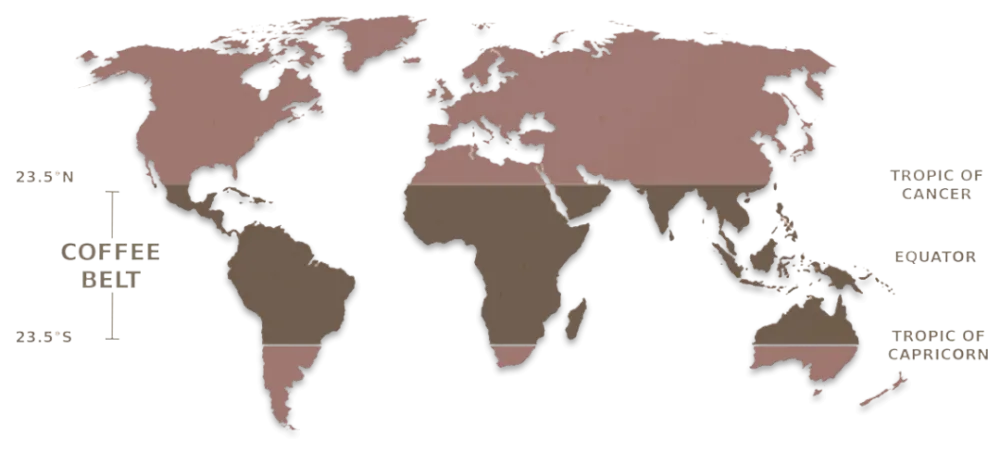
Coffee cultivation in Yunnan is mainly concentrated in the southern and western parts of the province, including Pu’er, Baoshan, Dehong, and Lincang. These areas are generally located between 15°N and the Tropic of Cancer, at elevations mostly ranging from 1,000 to 2,000 meters. The climate features distinct wet and dry seasons, large day-night temperature variations, abundant sunshine, and fertile soil—all of which provide an excellent environment for coffee growth. Under such conditions, the small-bean varieties cultivated here often exhibit rich flavors that are not overly bitter, with notes of fruit and nuts.
Pu’er: Encompassing multiple counties and districts such as Simao, Ning’er, and Mojiang, with planting elevations between 700 and 1,600 meters and an average annual temperature of 17–20°C, it is one of the important coffee-producing areas in Yunnan.
Baoshan: Areas such as Luxiang, with elevations of 1,000–1,500 meters and an average annual temperature of 21°C, received a first-class evaluation in the London market in the late 1950s and are a recognized geographical indication-producing region.
Dehong: Introduced small-grain coffee as early as 1914, and began large-scale cultivation in 1953. Its climate conditions contribute to its richly flavored coffee.
Lincang: Bordering Myanmar, with a mild climate and significant day-night temperature differences, it has become an emerging hub for coffee cultivation in recent years and has attracted several brands to establish estates there.
Grading Standards for Yunnan Coffee Beans
The grading of Yunnan coffee beans is primarily based on bean size and defect rate, referencing internationally common sieve grading and defect counting methods. Internationally, round-hole sieves ranging from 10 to 20 are commonly used, where a higher number indicates a smaller aperture and thus larger beans. For example, 14 represents green coffee beans that can pass through a 14/64-inch aperture, while 19 represents larger beans.
Domestically, beans are typically divided into five grades based on sizes of 6.5, 6.0, 5.5, 5.0, and below 5.0 millimeters, while also taking into account comprehensive factors such as bean shape, color, cleanliness, aroma, and moisture content. Defect bean calculations also follow international standards, evaluating the quantity of impurities and defective beans in a 300-gram sample to ensure consistent quality.
Typica vs Catimor: Flavor and Cultivation Differences
Typica is one of the most original varieties within Arabica. Though it has high flavor potential, it is difficult to cultivate and sensitive to environmental changes and diseases. In contrast, Catimor combines Robusta genetics, resulting in strong disease resistance and yields approximately three times that of Typica, making it the dominant variety in Yunnan today. However, due to its Robusta lineage, Catimor is often considered to have a slightly coarser flavor, sometimes exhibiting pronounced woody or herbal notes, and has even been described as having a "devilish finish."
A Brand’s Coffee Cultivation Practices in Yunnan and Natural Typica Processing
Before entering the roasting business, this brand was already involved in coffee cultivation experiments in Yunnan. Facing Yunnan’s distinct dry and rainy seasons, the brand chose to challenge highland cultivation and Arabica varieties, striving to maintain biodiversity and a good ecological environment—especially in Typica cultivation, where moderate management and natural drying were insisted upon to ensure the development quality of the coffee cherries.
In terms of processing method, the brand opted for the traditional natural (dry) process, allowing the coffee cherries to dry fully with their pulp layers intact on raised beds. Though time-consuming and requiring frequent turning to avoid uneven fermentation, this method imparts richer sweetness and fruity aromas to the coffee. The final natural Typica exhibits intense notes of nuts, dried fruit sweetness, and soft plum acidity, with a finish that carries hints of brown sugar and black tea—a profile well-suited for coffee lovers who enjoy balanced flavors.
Pour Over Suggestions for Natural Typica
To fully showcase the fruitiness and sweetness of natural Typica, it is recommended to use a V60 dripper, with a 1:15 coffee-to-water ratio, medium grind size (approximately coarse sugar, or 80% passing rate on a Chinese No. 20 sieve), and a water temperature of around 91°C. Begin with a 30-second bloom using twice the amount of water (e.g., 60g water for 30g coffee) to aid degassing; then proceed with small-stream, segmented pouring up to 125g and 225g, keeping the total extraction time around 2 minutes.
This parameter setup helps balance acidity and sweetness while highlighting the distinctive tea-like texture and full body of Yunnan small-grain coffee. The cup reveals layers of citrus, berries, caramel, and creamy richness, with a long and dynamic aftertaste.
Conclusion: The Specialty Potential of Yunnan Beans
Although Yunnan coffee is predominantly Catimor, through refined cultivation management and appropriate post-processing—including various varieties such as Typica—it is possible to reveal the potential of specialty coffee. For consumers wishing to explore the true charm of Yunnan small-grain coffee, starting with natural Typica is a great way to experience its unique flavor profile that combines fruitiness, sweetness, and nuttiness.
The above content is compiled by CoffeeHunters, a coffee news website.


