







Introduction:The Sidra coffee variety has gained significant attention thanks to its selection by two World Barista Championship winners, thanks to its distinctive fruity aroma and well-balanced sweet-and-acidic profile. This article explores the origin and genetic background of Sidra, delves into the anaerobic processing techniques used at Finca El Diviso in Colombia’s Huila region, and details the flavor characteristics and optimal pour over parameters of a particular coffee brand's imported batch—helping coffee enthusiasts fully understand the brewing essentials and tasting highlights of this rare bean.
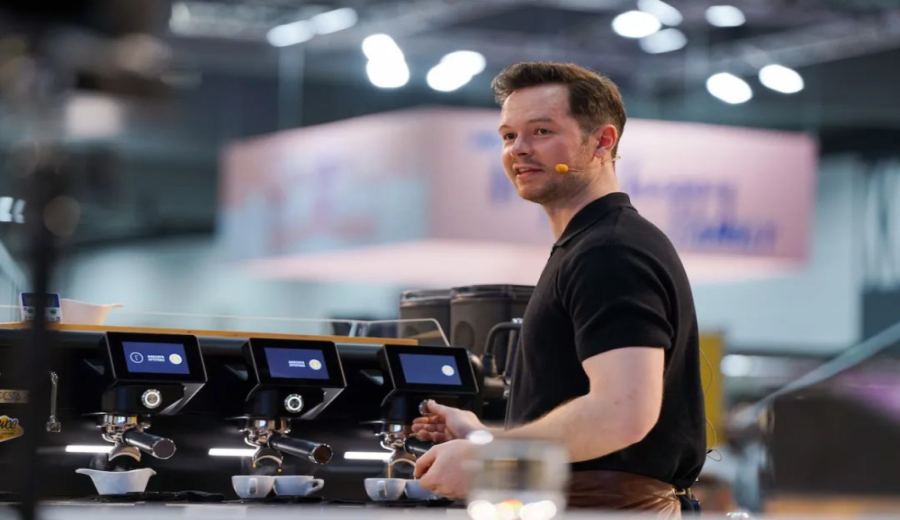
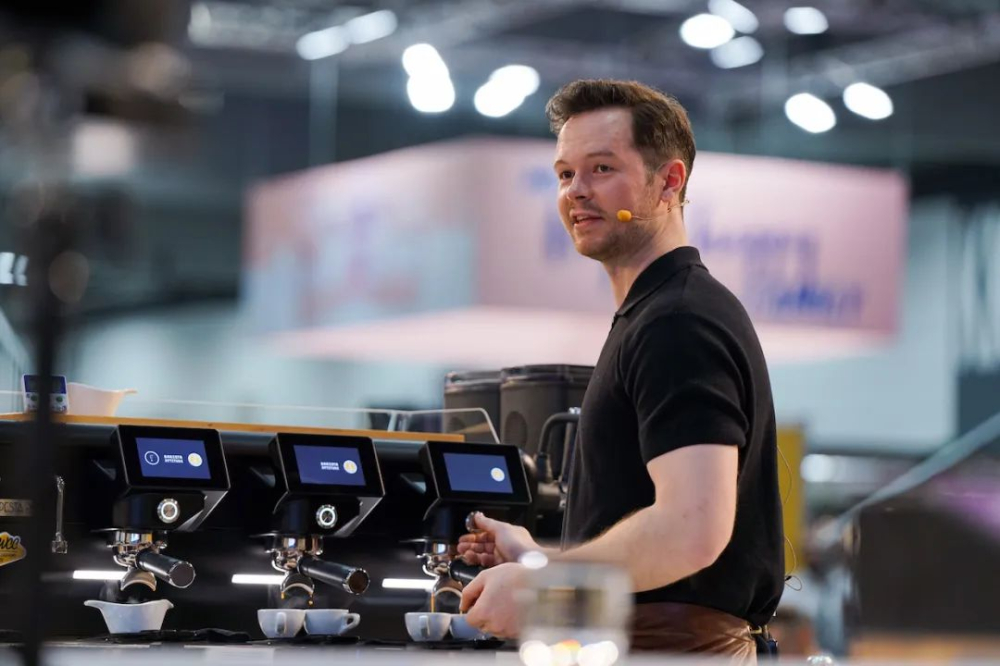
The Sidra specialty coffee variety has gradually entered the view of coffee lovers in recent years due to its preference by two World Barista Championship (WBC) champions. Both the 2019 champion, South Korean competitor Jooyeon Jeon, and the 2022 champion, Australian competitor Anthony Douglas, used Sidra coffee from different regions, with Anthony Douglas’ Colombian Huila Finca El Diviso anaerobic fermentation lot particularly drawing industry attention to both the variety and the farm.
The Sidra variety originated in Pichincha Province, Ecuador, where it is known locally as Sydra. Research suggests that the variety likely stems from a cross between Typica and Red Bourbon, and subsequent genetic analysis also shows high genetic similarity to Ethiopian landraces. Scholars speculate that Sidra may have resulted from further crossing between experimental Ethiopian varieties brought to Ecuador and local Bourbon plants. Currently, Sidra is mainly cultivated in Ecuador and Colombia, thriving at altitudes of around 1650 to 1800 meters above sea level, making it especially suitable for the specialty coffee market that values complex flavors and high acidity.
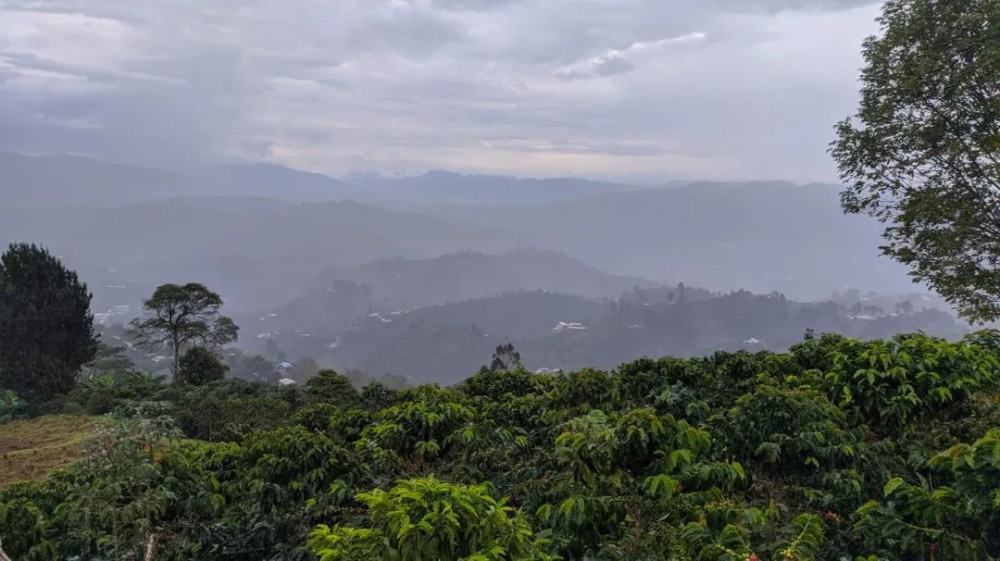
Among them, the Sidra coffee chosen by 2022 WBC champion Anthony Douglas comes from Finca El Diviso in Colombia’s Huila region. This farm not only boasts a long history of cultivation but is also renowned for its exquisite processing techniques. Finca El Diviso is located in Colombia’s Huila Province,at an altitude of about 2100 meters, covering an area of 14 hectares. Since its establishment in 1996 by Jose Uribe Lasso, it has accumulated over 25 years of experience in coffee cultivation and processing. It is now managed by the second-generation family member, Nestor Lasso, who is committed to varietal diversity and innovation in processing methods. The farm grows up to twelve coffee varieties, including Sidra, as well as Caturra, Colombia, Castillo, Geisha, and Bourbon.
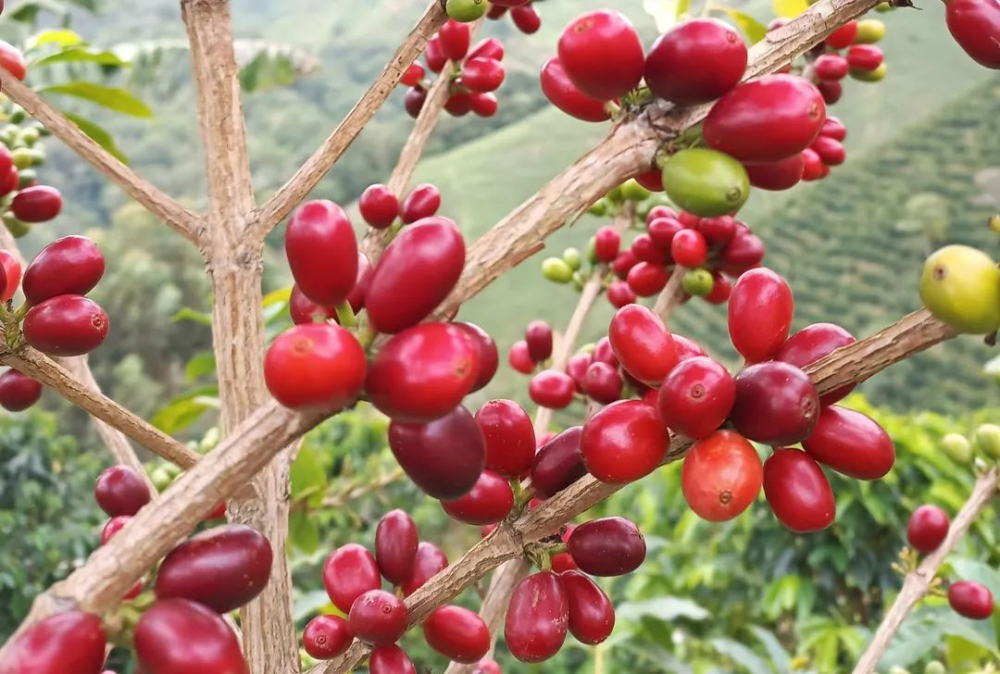
The Sidra plant itself is robust, capable of growing up toabout four meters tall, with slender leaves and typical five-petal flowers when in bloom. It has a high fruit yield, and its cherries are larger and rounder than those of most Arabica varieties. However, Sidra is relatively susceptible to leaf rust and coffee berry disease, requiring appropriate shading and pest control during cultivation. Due to its high individual yield and its resemblance in appearance to Geisha—its elongated green beans often leading to misidentification—its true standout is its flavor profile: commonly exhibiting pronounced notes of peach, citrus, grape, and honey, with bright and layered acidity, a full-bodied mouthfeel, and a long-lasting aftertaste.
Finca El Diviso takes an innovative approach to processing Sidra, especially the lot used by Anthony Douglas in the competition, which underwentdouble anaerobic washed processingto further enhance its fruity and acidic expression. This method involves strictly controlling the fermentation process in an anaerobic environment, effectively increasing the concentration and purity of flavors, making Sidra’s already prominent fruitiness even more three-dimensional, while maintaining the coffee’s inherent body and moderate sweetness.
In the batch of Sidra coffee imported by a certain coffee brand, a medium-light roast was applied to preserve more acidity and delicate aromatics. Cupping reveals distinct layers of flavor including apricot, citrus fruits, and grapes, accompanied by moderate honey sweetness. The overall profile is refreshing yet complex, making it ideal for coffee lovers who enjoy pronounced fruitiness and a balanced sweet-and-acidic taste.
For this Sidra coffee from Colombia’s Finca El Diviso, a certain coffee brand recommends the following pour over parameters to fully showcase its flavor characteristics: use a Hario V60 filter, with water temperature controlled at 90°C[temperature value needed], coffee dosage set at 15 grams, and a brew ratio of 1:15[brew ratio needed]. The grind size is recommended to be EK43s setting 10 (approximately equivalent to 80% extraction through a standard Chinese No. 20 sieve, i.e., medium-fine grind). The specific brewing steps are as follows: start with a 30-second bloom using30 grams of water, then pour in a small circular motion until reaching 125 grams for the first pour; when the water level drops and is about to expose the coffee bed, continue pouring until225 grams, then stop. The total extraction time should be kept to2 minutes exactly(timed from the start of the bloom). This parameter setup helps balance acidity and sweetness, while highlighting clear fruit tones and a full body.
In summary, Sidra coffee, with its rarity, unique genetic background, and complex, varied flavor profile, has become one of the most notable varieties in the specialty coffee market. Whether out of curiosity or a desire to experience the charm of championship-level beans, understanding the cultivation, processing, and brewing details of Sidra is an essential step for every coffee enthusiast aiming to refine their palate and brewing skills.
The above content is compiled by CoffeeHunters, a coffee news website.


