







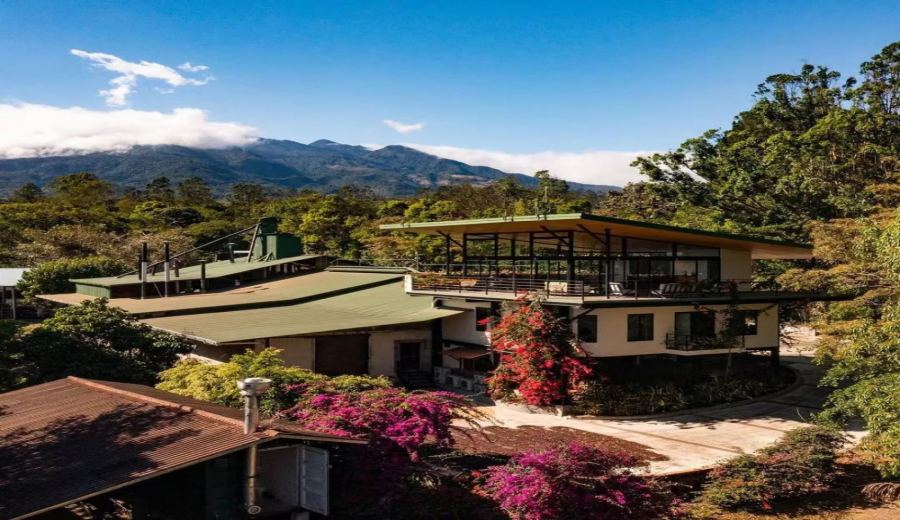
Introduction:The Geisha-flavored Hua Die (Butterfly) coffee from Boquete, Panama, combines 70% Geisha lineage with a natural (sun-dried) processing method to deliver high-level floral, fruity notes, and tea-like qualities at an accessible price point. This article delves into its terroir, varietal composition, and processing techniques, along with tested V60 pour-over parameters and a flavor profile to help you accurately recreate the nuanced layers of this high-value-for-money Geisha offering.
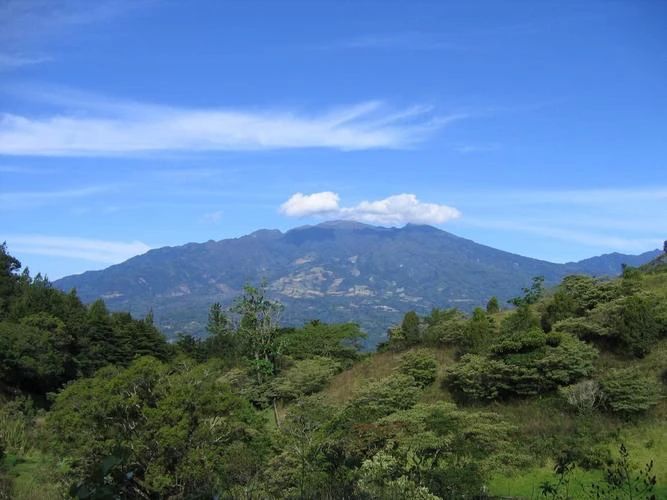
Boquete, located in Panama’s Chiriquí Province near the Barú Volcano, benefits from ideal elevation (1,000–2,000 meters), fertile volcanic soil, and significant day-night temperature variations—conditions that have made it one of the world’s most renowned specialty coffee regions. Home to elite farms like La Esmeralda, it also produces the cost-effective yet celebrated Hua Die Geisha. With 70% Geisha genetics and a natural process, this coffee showcases remarkable floral and fruity notes despite not originating from a top-tier estate.
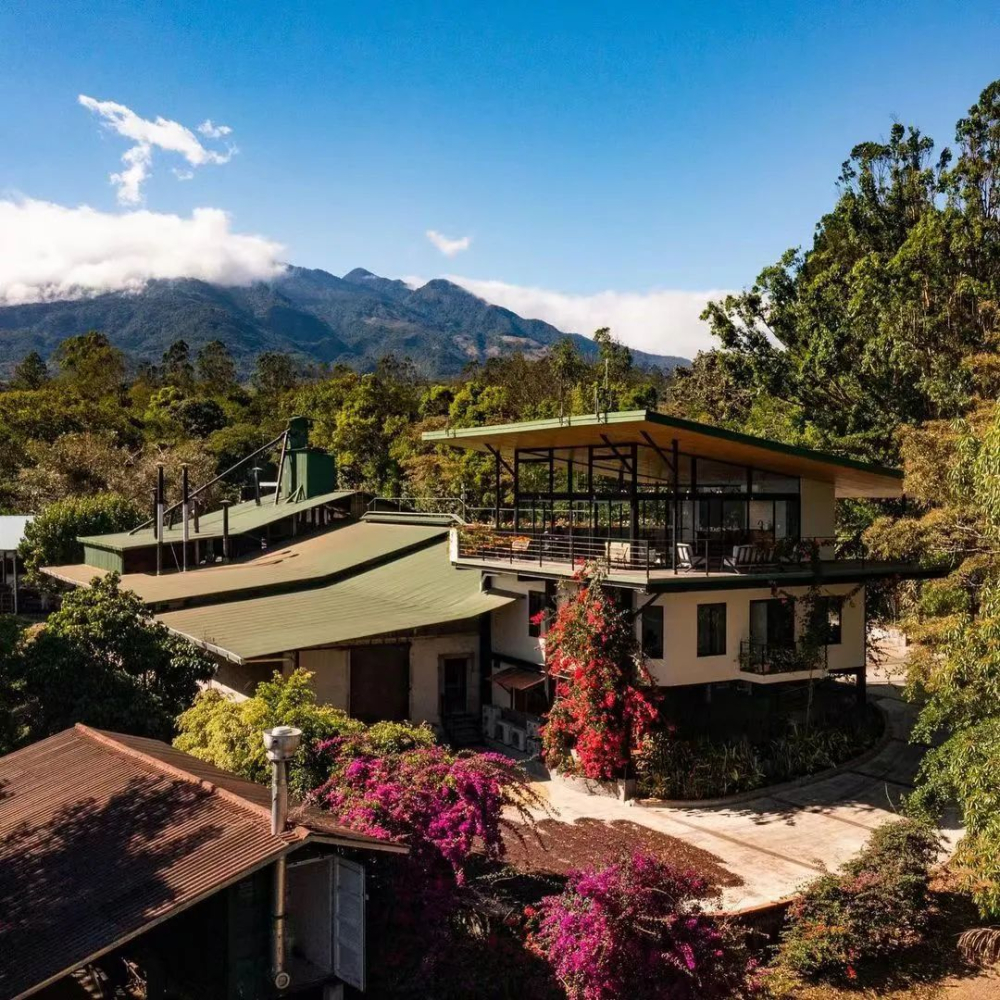
Though its packaging lists three varieties—Geisha, Caturra, and Catuai—Hua Die consists of mixed single-origin beans from the same farm that were not sorted. Geisha makes up 70% of the blend, grown at 1,600 meters on volcanic slopes. Meticulous hand-picking and natural processing result in a rich body and bright acidity. This unique background gives the coffee both the elegant floral character of Geisha and an approachable price, making it a popular choice for entry-level enthusiasts.
Boquete’s distinct microclimate plays a crucial role. Bordered by the warm, humid airflow of the Caribbean Sea to the west and the cool currents of the Atlantic to the east, the region also features the biodiversity of the Barú Volcano National Park and seven microclimates. The perennial mountain mist and abundant rainfall create optimal conditions for coffee cultivation. These factors contribute to Hua Die’s layered profile, particularly the fruity and wine-like notes from natural fermentation during drying.
The legend of the Geisha variety began in Ethiopia’s Kaffa Forest in 1931. Originally labeled T2722, it was introduced to multiple countries for its disease resistance but initially overlooked. By the 1960s, it arrived in Panama, where the owners of Hacienda La Esmeralda discovered its resistance to leaf rust at high altitudes and gradually cultivated the globally renowned Panamanian Geisha. Typical flavor notes include white floral tones, citrus characteristics, exceptionally clean acidity, and a tea-like, velvety finish—all of which are distinctly present in Hua Die.
The blended Caturra and Catuai varieties serve to harmonize the flavors. As a Bourbon mutation, Caturra adapts well to elevations of 700–1,700 meters and exhibits pronounced berry acidity when grown at higher altitudes. Catuai, inheriting traits from both Mundo Novo and Caturra, produces dense, weather-resistant cherries with a nuttier flavor profile. Together, they add fruit and nut complexity to Hua Die’s predominantly Geisha-driven floral notes.
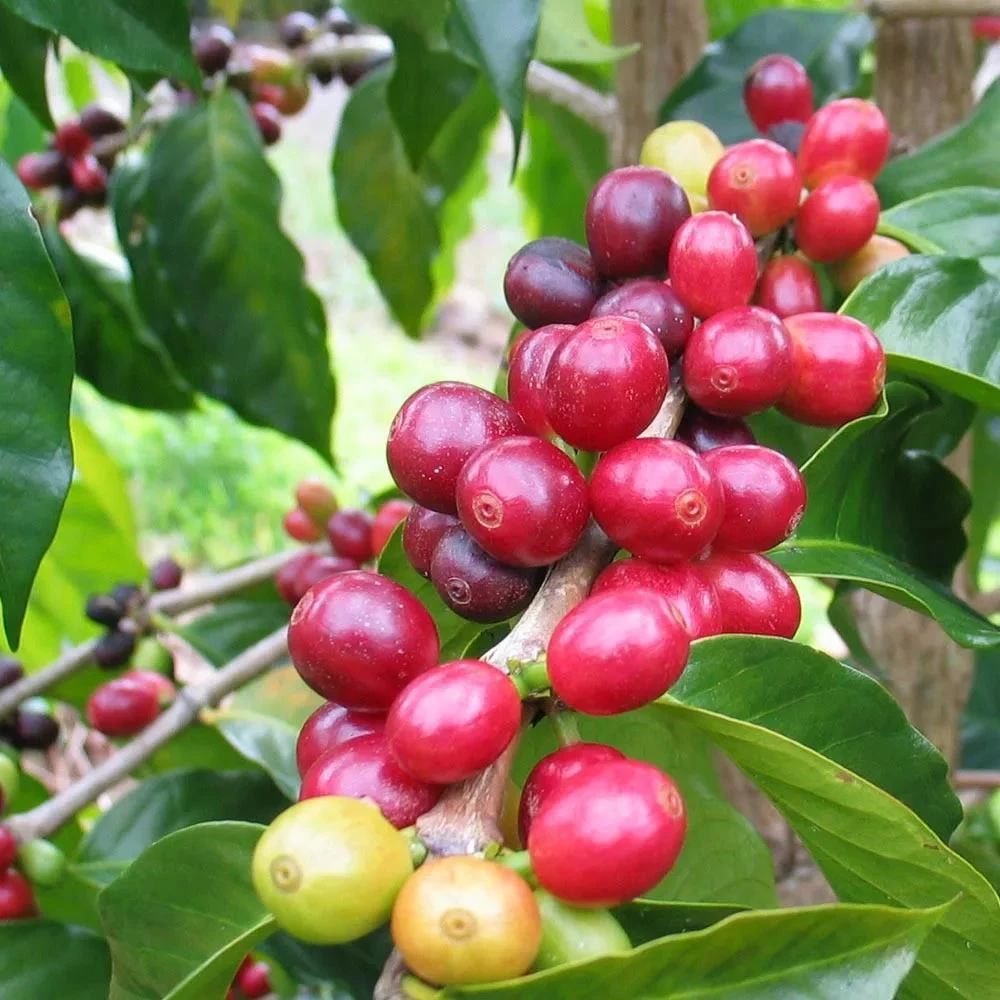
Hua Die’s natural processing method requires strict control over fermentation. After harvesting, the coffee cherries are spread whole (skin and pulp intact) on raised beds to dry naturally for 20–28 days until reaching a moisture content of 12%. The cherries must be turned frequently to prevent overheating and undesirable off-flavors from over-fermentation. When executed correctly, natural processing imparts sweetness, winey aromas, and deep fruit notes—but it demands skilled handling by experienced producers.
For pour-over brewing, the Hario V60 is recommended with the following parameters: 15g coffee, 90°C water, a 1:15 coffee-to-water ratio, and a grind size equivalent to 80% passing through a Chinese No. 20 sieve (medium-fine). The step-brewing process: bloom with 30g water for 30 seconds, then pour in a circular motion to 125g, pause until the water level drops to the coffee bed, then continue pouring to a total of 225g. Total brew time should be precisely 2 minutes. This setup balances the delicate aromatics of Geisha with the full body from natural processing.

Flavor-wise, Hua Die presents a pronounced tea-like quality and fermented fruitiness upfront, paired with smooth nutty and creamy undertones. As it cools, citrus and black plum acidity emerges, followed by a honeyed sweetness in the finish. Note that natural-process beans may carry slight fermentation notes, which are normal. For optimal results, use freshly roasted beans within 5 days of roasting, with a 4–7 day rest period for peak flavor.
Ground coffee oxidizes more quickly; if purchasing pre-ground beans, brew them immediately upon arrival to capture their best qualities. Whole beans, when stored properly (especially in bags with one-way valves), retain their flavor stability far longer.
The above content is compiled by CoffeeHunters, a coffee news website.


