







Introduction:Yellow Bourbon is one of Brazil's most iconic naturally occurring coffee varieties, a genetic mutation derived from Red Bourbon. Its cherries exhibit a rare yellow hue and boast a richly layered aroma profile. This article will delve into its origins, genetic background, primary growing regions, and unique flavor characteristics, along with providing practical pour-over brewing recommendations to help you better appreciate the charm of this classic bean.
Yellow Bourbon is a distinctly characteristic variety within Brazil’s coffee landscape. Its most notable trait is the ripe cherries’ captivating yellow color, rather than the more common red. This color shift is not the result of artificial breeding but stems from a spontaneous genetic mutation in a natural environment. From the introduction of the Bourbon variety to Brazil in the 19th century to its first discovery in 1930 in the Pedernales region of São Paulo State, Yellow Bourbon has gradually won the attention of both coffee farmers and consumers for its distinctive flavor and high quality.
The Bourbon variety was first introduced to Brazil in the 1860s, replacing the then underperforming Typica. Although Bourbon is also susceptible to pests and diseases, its yield per plant is about 30% higher than that of Typica, which led to its gradual adoption as the dominant commercial variety. Campinas in southern Brazil was one of the first places where Bourbon took root, thanks to its soil and climate being highly conducive to its growth. It was later introduced to several other countries across South and Central America.
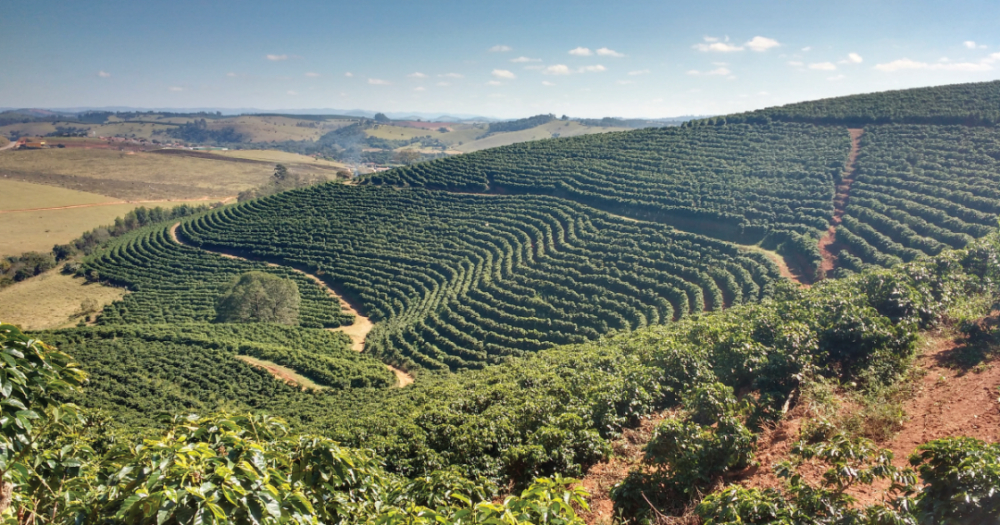
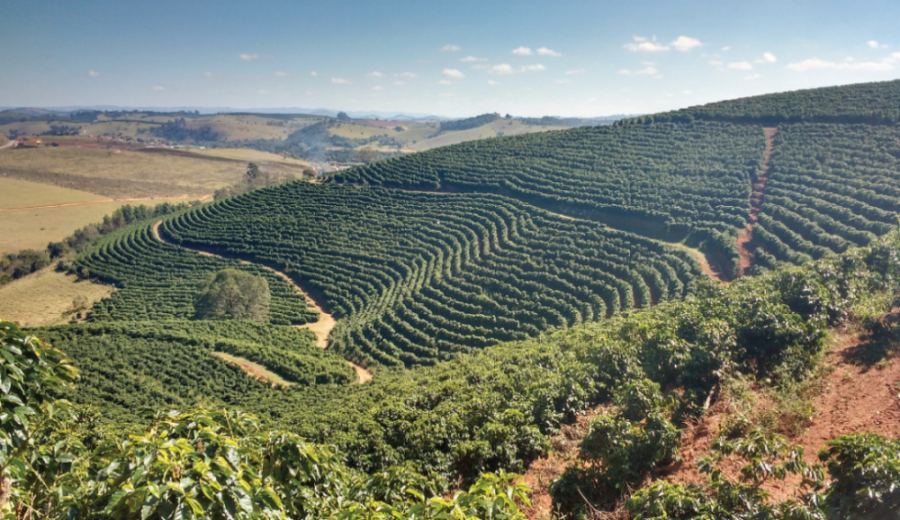
To further enhance the competitiveness of Brazil’s coffee industry, the Brazilian government established the Campinas Agronomic Institute (IAC), dedicated to screening and cultivating coffee varieties suited to the local environment. The institute collected numerous coffee varieties, including Caturra, Catuai, Mundo Novo, and Maragogipe. Among them, Red Bourbon, Yellow Bourbon, Catuai, and Mundo Novo remain among Brazil’s primary planted varieties to this day.
Many beginner-friendly Brazilian everyday beans are typically based on Red Bourbon and processed using the honey method, showcasing a classic flavor profile of low acidity, nuttiness, and chocolate notes. Medium-dark roasting can highlight their rich nutty and cocoa aromas, delivering a full-bodied yet balanced cup that appeals to those who prefer a milder taste.
So, how did Yellow Bourbon stand out among the many Bourbon variants? The key lies in its fruit color. While ordinary Bourbon coffee trees produce cherries that transition from green to yellow, then to orange-red, and finally to bright red as they ripen, Yellow Bourbon cherries retain their yellow appearance even when fully mature. This characteristic sets it visually and in flavor apart from other Bourbon varieties.
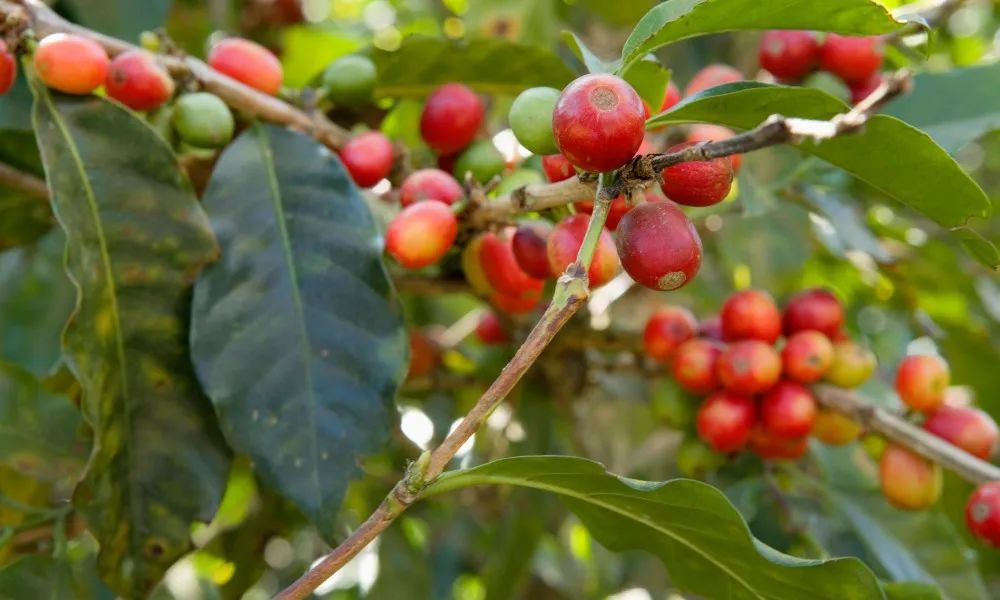
According to research by botanist Professor Krug in 1942, the yellow fruit trait of Yellow Bourbon is associated with a set of genes called 'Xanthocarpa,' a name derived from the Greek words 'Xanthus' (yellow) and 'carpus' (fruit). Scientific studies indicate that the coloration of coffee fruits is mainly governed by anthocyanins and flavonoids, among which luteolin is a significant component contributing to the yellow expression. When a coffee plant carries a recessive gene combination, the expression of anthocyanins is suppressed, allowing the fruit’s inherent yellow pigments to emerge, resulting in the yellow coffee cherries we see.
Initially, Yellow Bourbon was widely favored for its combination of high yield and excellent flavor performance. However, as cultivation years increased, its disease resistance and yield performance gradually declined, requiring farmers to invest more effort in management and to choose planting environments at elevations above 1,000 meters to maintain its quality. Today, only a few regions in Brazil, such as Mogiana in São Paulo State, continue to cultivate this variety. The significant diurnal temperature variation brought by high altitudes helps the fruits accumulate more complex aromatic compounds, creating its unique flavor profile.

If you’d like to personally experience the unique charm of Yellow Bourbon, it’s recommended to choose beans from high-altitude regions that have undergone medium-dark roasting. Such beans often display intense roasted nut aromas and are well-suited for brewing with a variety of methods, including pour over, moka pot, French press, siphon, or even espresso machines. In terms of flavor, Yellow Bourbon’s acidity is relatively mild, with a clean sweetness and a creamy texture, offering a smooth and delicate mouthfeel. Common flavor notes include sugarcane sweetness, chocolate, nuts, and subtle floral hints, with a clean finish and long-lasting aftertaste.
In summary, Yellow Bourbon is not only a representative of Brazil’s coffee genetic diversity but also, with its unique fruit color and aromatic expression, has become a classic variety beloved by many specialty coffee enthusiasts. Understanding its historical background, genetic traits, and suitable brewing methods will allow you to better appreciate its richly layered flavor charm when tasting.
The above content is compiled by CoffeeHunters, a coffee news website.


