







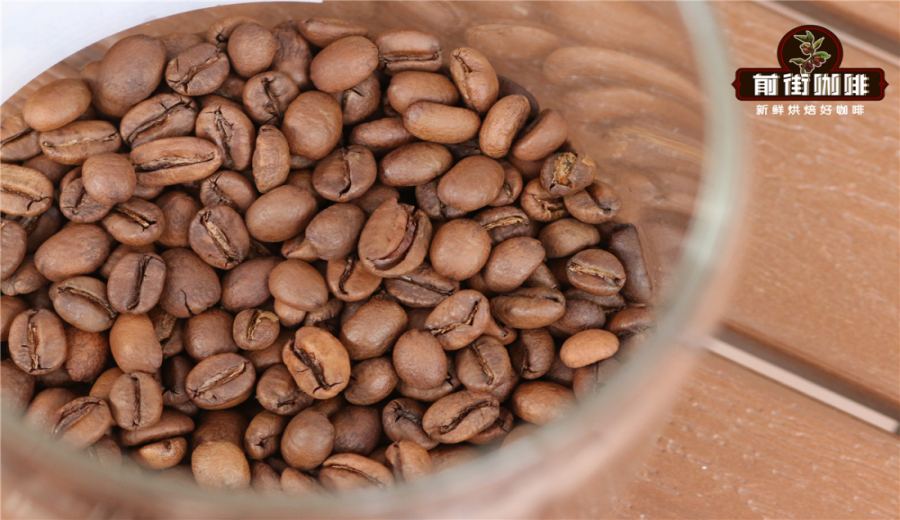
Introduction:Yirgacheffe is renowned for its bright floral and fruity aromas, but to truly brew a clean, vibrant, and layered highland-flavored cup, every step—from the bean’s processing method and roast level to the pour over technique—must be precisely mastered. This article details the regional characteristics and processing advantages of a well-known washed Yirgacheffe, and provides a repeatable pour over method covering equipment selection, grind size, water temperature settings, and a three-stage pouring ratio, so you can easily bring out the bean’s citrus, lemon, and berry notes at home.
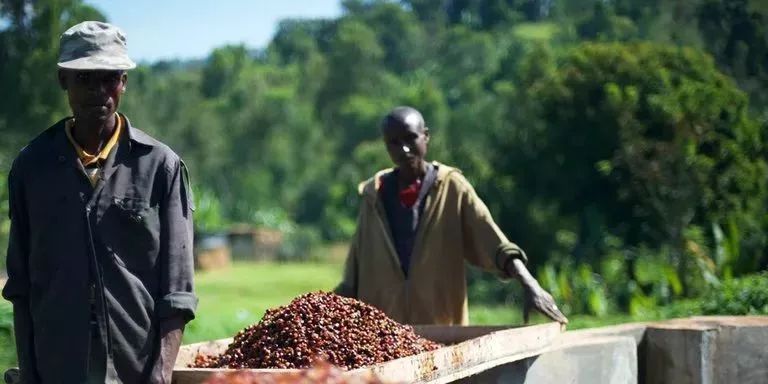
Originating from Ethiopia’s high-altitude regions, Yirgacheffe thrives at elevations above 2,000 meters with significant day-night temperature variations, producing coffee beans with intense aroma and lively acidity. In the early days, sun-drying was the predominant processing method locally, but due to climate and technical limitations, the quality was relatively inconsistent. With the introduction of washed processing, not only was cleanliness enhanced, but the delicate citrus, lemon, and berry aromas were also fully preserved, establishing Yirgacheffe as a representative of specialty coffee.
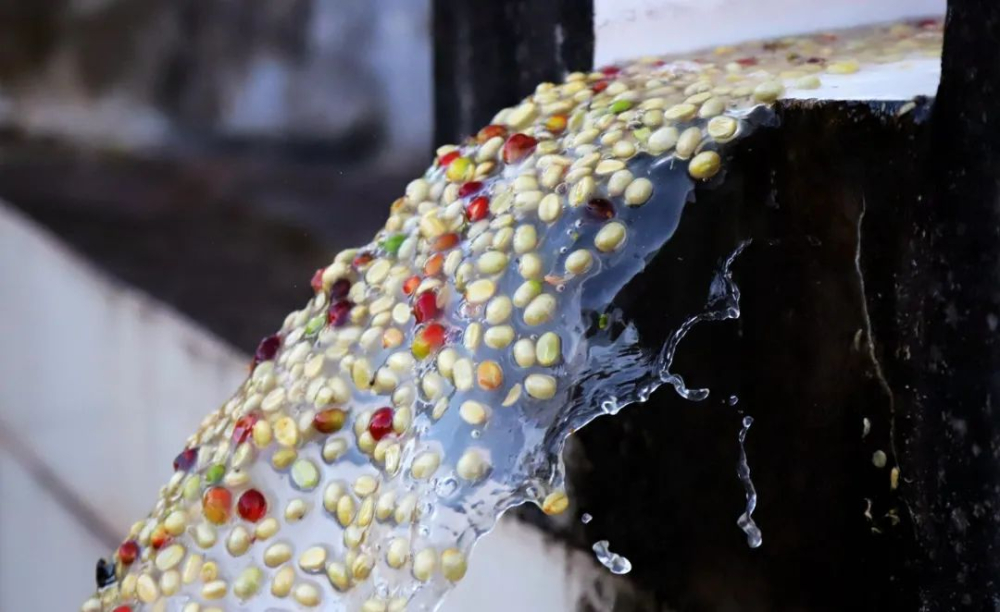
Yirgacheffe features a humid climate that is naturally suited to washed processing. Compared to sun-drying, the washed method effectively removes defective beans through fermentation and washing processes, reducing off-flavors and resulting in a cleaner, more transparent cup. This processing enhances the inherent fruity acidity and floral qualities of Yirgacheffe, making each sip refreshing and vibrant—one of the main reasons it is beloved by coffee enthusiasts worldwide.
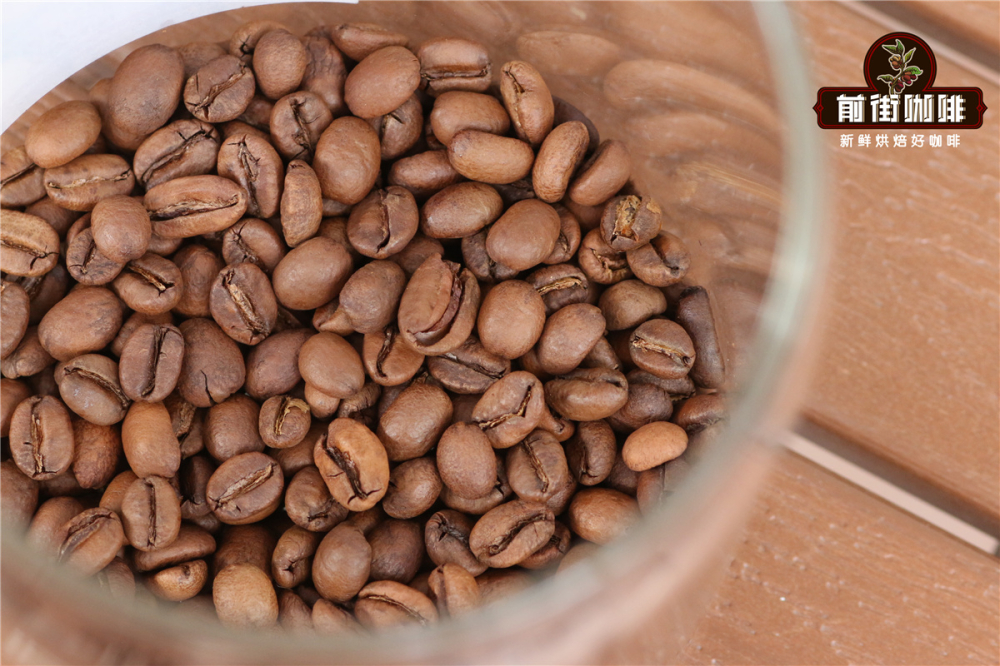
As Yirgacheffe is mostly grown at high altitudes, deep roasting can lead to uneven heat application and burnt, bitter notes. Therefore, medium to light roasts are generally preferred. This roast level not only preserves its lively acidity but also highlights fruity characteristics, creating a unique “fruity-acidic coffee” style that suits drinkers who enjoy a bright cup but want to avoid bitterness.
To successfully brew a flavorful cup of Yirgacheffe, in addition to selecting the right beans, precision is required in every step—from equipment and grind size to pouring. It is recommended to prepare basic tools such as a pour over kettle, filter cone, server, grinder, filter paper, digital scale, and thermometer, and to use coffee beans at their peak freshness to fully showcase their floral and fruity aromas.
Grind size is one of the key factors affecting extraction efficiency. Coffee grounds that are too coarse may result in under-extraction and flat flavors, while those that are too fine can lead to over-extraction and bitterness. It is generally recommended to use a standard 20-mesh 0.85mm sieve; for medium to light roasted Yirgacheffe, a passing rate of around 80% is advised, equivalent to roughly a 10-setting grind on a hand grinder, achieving a good balance of extraction.
Water temperature also plays a crucial role. Too high a temperature can extract excessive impurities and bitter compounds, while too low may result in incomplete extraction. For medium to light roasted Yirgacheffe, it is recommended to set the water temperature between 91–93°C. If the ambient temperature is low, it can be increased by 1–2°C as needed to ensure sufficient overall extraction temperature. Note that the water temperature refers to the actual temperature of the water flowing onto the coffee grounds, not the reading on the heater.
The choice of filter cone also affects extraction flow rate and flavor expression. Taking the resin V60 filter cone as an example, its unique spiral ridges and large center hole design accelerate water flow while extending contact time between water and coffee, resulting in more even extraction and richer layers—particularly well-suited for the bright and distinctive flavors of medium to light roasted Yirgacheffe. In contrast, the KONO filter cone is better suited for dark roasts, as it retains more body and richness.
For beginners, the three-stage pouring method is recommended to help control the extraction rhythm and avoid over-soaking or uneven extraction in a single stage. Using 15 grams of coffee grounds and a 1:15 coffee-to-water ratio (total water volume 225ml) as an example, it is suggested to pour 30ml, 95ml, and 100ml respectively, corresponding to 30g, 125g, and 225g on the scale, with an overall pour over time of about 2 minutes.
Specifically, first fold the filter paper and place it in the cone, then pre-wet it with hot water to rinse out the paper taste and preheat the equipment. Add 15 grams of ground coffee into the cone, gently shake it level, and tare the scale. The first stage involves pouring 30g of water for a 30-second bloom, using a small stream in a circular motion from the center outward to ensure the coffee bed is fully saturated. After 30 seconds, switch to a slightly larger stream and steadily pour 95g of water, completing this stage within about 55 seconds. Keep the water column vertical and even to help lift the coffee bed. Once the liquid level drops to about half, slowly pour the final 100g of water in small circles, controlling the range of the motion to avoid disturbing the coffee bed excessively. Aim to complete the entire dripping process in around 2 minutes.
It should be noted that the above pouring ratios and techniques are for reference only and can be adjusted slightly based on personal taste preferences. For instance, if you prefer a brighter acidity, you may slightly increase the water temperature or shorten the extraction time; if you desire a rounder mouthfeel, you can slightly reduce the water temperature or extend the dripping time. Pour over coffee is essentially a combination of science and experience—only by understanding the meaning behind each parameter can you gradually develop your own brewing framework and brew the most satisfying cup of Yirgacheffe.
The above content is compiled by CoffeeHunters, a coffee news website.


