








Introduction:For consumers who enjoy pour over coffee, the variety labels on Ethiopian coffee beans can often be confusing—especially the difference between Heirloom (native variety) and the more recently emerged Landrace (regional variety). This article delves into the real meanings behind these terms, explains how they form in the fields, and recommends a G1 washed bean from the Kafa Forest to help readers gain a clearer understanding, from flavor and processing methods to purchasing decisions.
When selecting specialty coffee beans from Ethiopia, the "variety" field on product packaging is often labeled as Heirloom, translated in Chinese either as “原生种” or “传家宝.” But what do these names actually mean? In recent years, some packages have also started to include the term Landrace (regional variety), adding to the confusion: what are the differences among these terms? In reality, they all stem from Ethiopia’s unique, farm-based coffee cultivation culture.
Heirloom is not a single variety but a concept of mixed harvesting. In Ethiopia, the vast majority of coffee is grown by smallholders on family farms or intercropped land. These coffee plants may come from ancestral sources, neighborly exchanges, or even other growing regions. They are often planted alongside other cash crops, and during harvest season, smallholders collect and sell coffee cherries of different varieties together. As a result, Heirloom typically refers to batches made up of many coffee varieties that haven’t been individually categorized—sometimes containing dozens or even hundreds of genetically distinct coffee trees—leading to noticeable variations in appearance, such as bean size and shape.

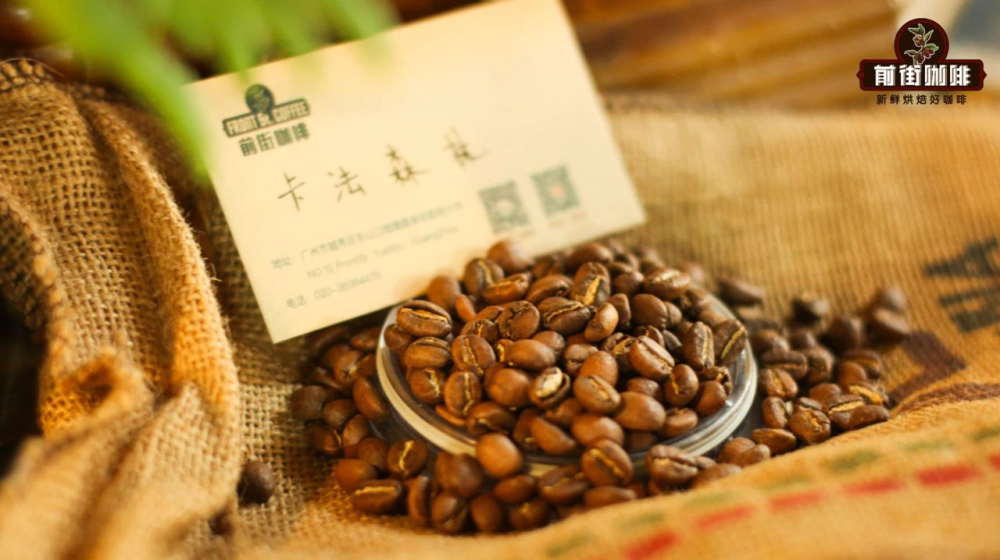
Take the Kafa Forest as an example. It is one of Ethiopia’s renowned coffee-growing regions and also recognized globally as one of the birthplaces of coffee genetics. This area features extensive cloud forest environments and is part of the Kafa Biosphere Reserve. A certain brand’s Kafa Forest G1 washed beans come from this region, with the variety labeled as Heirloom. The growing altitude is around 1800 meters, which is considered high-altitude cultivation—helping the coffee cherries ripen slowly and accumulate richer flavor compounds.
This washed Kafa Forest bean has a flavor profile led by citrus fruits such as lemon and sweet orange in the aroma, followed by the freshness of peach and green tea in the mid-palate, and a slight sweetness reminiscent of melon seeds and caramel in the aftertaste. Overall, it presents a clean and layered cup. It is recommended to use a light-to-medium roast to better highlight its native flavors and bright acidity, making it a great everyday choice for pour over or drip coffee.
It is worth noting that because the Geisha variety originates from the Gesha Mountains in western Ethiopia, some merchants mistakenly label or package coffee from the Kafa Forest as “Kafa Forest Geisha,” though it actually has no direct relation to the famous Panamanian Geisha variety. Panamanian Geisha (often identified by the T2772 designation) has an elongated bean shape with pointed ends, and when roasted lightly, it exhibits intense floral notes, tropical fruit flavors, and a tea-like character—it is a representative of auction-grade specialty coffee. In contrast, while Kafa Forest Heirloom coffee shares fruity and floral notes, it more accurately reflects the natural terroir characteristics of the local high-altitude forest environment.
As for Landrace (regional variety), it is a type of coffee plant that has gradually gained attention in recent years. These varieties are not newly bred but are ancient strains that have been gradually selected, preserved, and passed down by farmers across various regions of Ethiopia, having adapted over time to local climates, soils, and farming conditions. They typically offer good disease resistance, stable yields and flavor profiles, and align well with local agricultural management practices. For instance, common regional varieties in southern Ethiopia include Kurume, Wolishao, and Dega, while those found in the western and southwestern regions include Choche, Sardo Buna, and Bedessa.
However, in the past, these regional varieties were often lumped under the Heirloom category, as they were usually sent to large processing facilities after harvest, where beans from different farmers and varieties were mixed together. This meant that, upon export, they could only be labeled as Heirloom. But with efforts from Ethiopian agricultural research institutions such as JARC (Jimma Agricultural Research Center), more and more regional varieties have been identified and classified. There are also an increasing number of farmers choosing to cultivate and process these varieties separately, allowing them to reach the market with more representative flavor profiles.
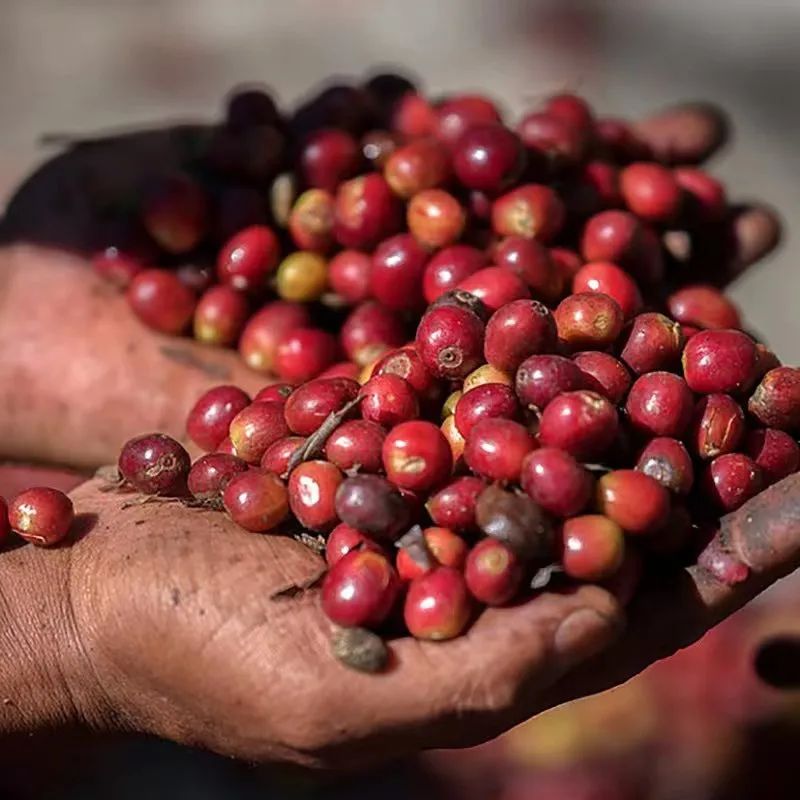
For consumers, choosing Ethiopian coffee beans labeled as Landrace or with specific regional variety names often leads to a more distinctive and regionally unique flavor experience. These beans, often grown as single varieties or within a single region, can exhibit clearer regional fingerprints, enabling pour over enthusiasts to more precisely explore the flavor potential of different growing areas. Moreover, since these beans are generally processed and graded to higher standards—such as G1 grade—they have uniform bean appearance and low defect rates, making them ideal for users seeking purity of flavor and consistency in brewing.
In summary, when you’re shopping for Ethiopian coffee beans, if you see the variety labeled as Heirloom, you’re experiencing a diverse and richly agrarian blend batch. If Landrace appears, it may be an ancient strain that is gradually being identified and preserved, with clearer regional and flavor characteristics. Products like the Kafa Forest G1 washed beans not only showcase the fresh, fruity notes of a high-altitude environment but also provide an excellent entry point for understanding the genetic diversity of Ethiopian coffee.
The above content is compiled by CoffeeHunters, a coffee news website.


