







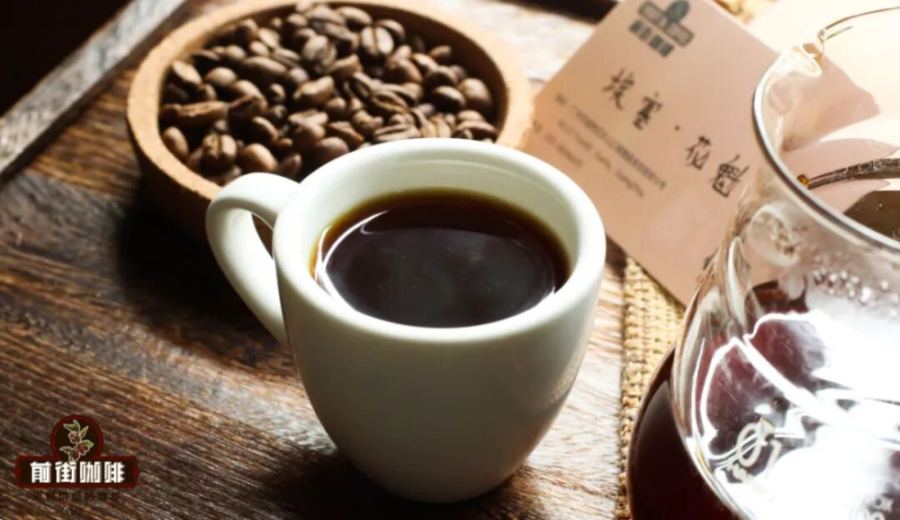
Introduction:Want to use a well-known brand’s Huakui beans to make an SOE Americano or latte that rivals café-quality? This article dives deep into this sun-dried G1 specialty bean from Ethiopia’s Sidamo region, covering everything from its growing region and processing characteristics, the origin of its champion name, to the flavor differences between light-medium and medium roasts. It also provides professional-grade espresso extraction parameters, brew ratios, and step-by-step brewing instructions to help you craft a Huakui Americano with balanced acidity and sweetness, and a rich, velvety latte.
This brand’s Huakui is a classic representative of Ethiopian sun-dried processing, beloved for its intense berry aroma and silky creamy texture. Whether used as a daily drinker or for professional brewing, it offers exceptional value. But when faced with both light-medium and medium roast versions, how do you choose to extract the ideal-flavored SOE Americano? This article will explore the reasons why Huakui is well-suited as a single-origin espresso (SOE) by examining its origin background, processing methods, and roast curve differences. We’ll also reveal tested and recommended espresso extraction parameters and brew ratios, allowing you to easily recreate café-quality flavors at home.
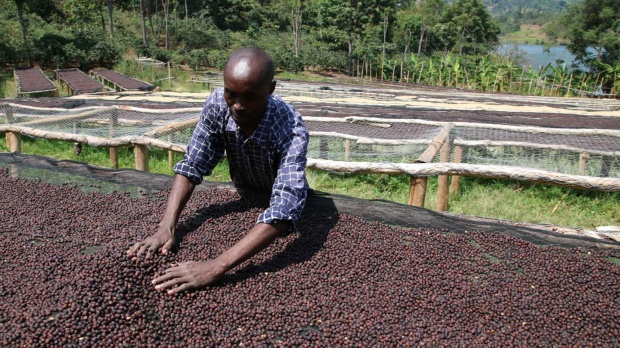
When it comes to sun-dried specialty coffee, many people first think of a well-known brand’s Huakui, known for its captivating fruity aroma. This G1-grade bean from Ethiopia’s Sidamo region, specifically the Guji area’s Hambela zone, has gained popularity among coffee lovers for its approachable price and rich flavor profile, becoming a staple in many daily routines. In the traditional processing methods of the region, farmers carefully select fully ripe red cherries, placing them one by one into baskets to ensure uniform size and no impurities. These cherries are then meticulously placed on elevated wooden frames or drying beds for natural sun drying. This method not only prevents the beans from touching the ground and absorbing unwanted odors but also helps concentrate and develop the flavors.
Throughout the long drying process, workers continuously turn the cherries to ensure even dehydration, and every three to five days, they re-screen to remove any moldy or visually imperfect beans. Only when the fruit skins have fully hardened and dried are the outer layers carefully removed using a hulling machine, leaving behind the precious green beans inside. To achieve even better flavor profiles, some farmers perform additional final screenings to ensure that only the highest-quality beans make it to market.
So what exactly is “Huakui”? Behind this name with an Eastern flair lies a fascinating story of competition victory. In fact, before being acclaimed as “Huakui,” this sun-dried batch from the Buku Abel washing station in Sidamo’s Hambela zone had already won the Ethiopian TOH (Taste of Harvest) green bean competition. In February 2017, this lot, submitted by DW Coffee Company, stood out among the competition with its standout berry aroma and creamy, velvety mouthfeel, winning the sun-dried category championship. In the same year, this champion bean was introduced to the Chinese market by a Chinese green bean importer and marketed under the name “Huakui,” which means “the foremost of all flowers, standing out uniquely.” Notably, later in a Chinese coffee brewing competition, a contestant using Huakui as their competition bean defeated several others using well-known Geisha beans, securing second place and rapidly propelling this traditional sun-dried bean from Buku Abel to fame as an industry-recognized high-quality Ethiopian coffee.
At first glance, the name “Huakui” might evoke thoughts of strong floral notes, but in reality, its flavor profile is dominated by vibrant tropical fruit notes—such as strawberry cream, mango, jackfruit, citrus, and blueberry—fully showcasing the distinctive ripe fruit character of Sidamo sun-dried beans. It’s this enchanting berry freshness that helped it win the TOH competition that year. Of course, due to the inherent influence of weather, altitude, soil, and processing details on coffee production, the flavor profile of Huakui may vary slightly each year, but it consistently maintains a high standard of tropical fruit aromas and rich sweetness.
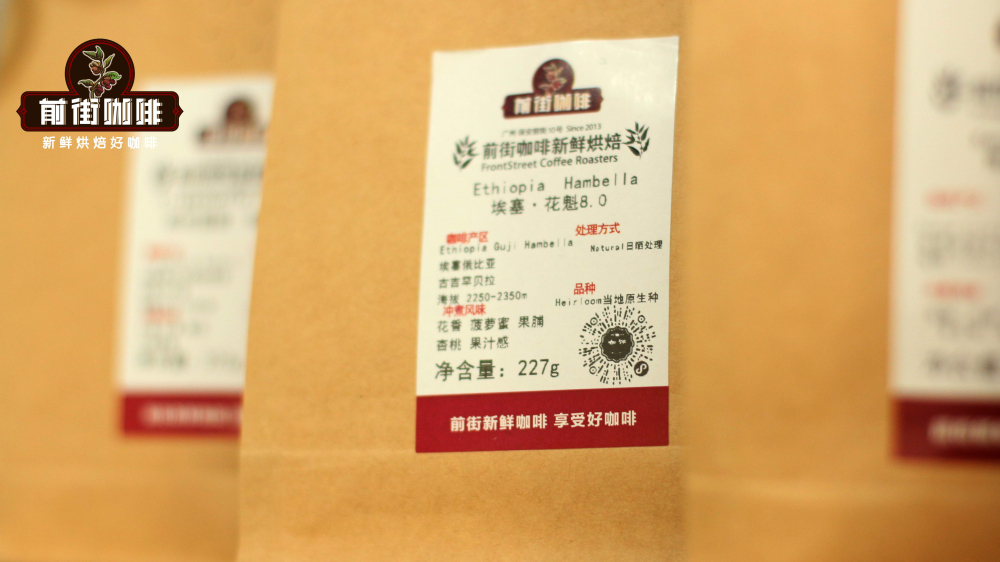
So, is sun-dried Huakui suitable for making SOE (single-origin espresso)? The answer is yes. This brand’s Huakui, with its rich fermented fruit aroma and the sweet foundation unique to sun-dried processing, can deliver captivating layers whether served hot or iced. For coffee enthusiasts with home espresso machines who want to recreate café-quality SOE Americanos or lattes, choosing the right roast curve is the first step to success.
This brand currently offers two roast levels of Huakui: a light-to-medium roast designed for cold brew and pour over enthusiasts, and a medium roast optimized for espresso machines and moka pots. If you prefer a refreshing cold brew experience or enjoy the nuances of the pour over process, the light-to-medium roast is the ideal choice. However, if you crave intense coffee oils or wish to create intricate latte art with milk foam, we recommend opting for this medium roast Huakui, specially crafted for SOE.
For espresso extraction using SOE Huakui, this brand recommends the following professional-grade parameters: Use Ethiopian Huakui 8.0, precisely measure 20 grams of coffee grounds, aiming to extract 40 grams of espresso, with a brew ratio set at 1:2. The extraction time is recommended to be between 26 and 32 seconds, and the grind setting can be referenced at Galileo 2.0 (adjust according to your own grinder). Before starting the extraction, make sure the portafilter basket is clean and free of old coffee grounds, and use a distribution tool to evenly spread the coffee grounds. Then, use a tamper to apply vertical pressure and create a stable puck structure. Next, run water for 1 to 2 seconds to wet the brew head and clear away any residual grounds. Reset the scale to zero, place it under the cup for collecting the espresso, lock in the portafilter, and start the extraction. When the scale shows 40 grams of extracted coffee and the time reaches around 30 seconds, you can stop the extraction.
The resulting Huakui SOE espresso will have a layer of fine, velvety crema on top, with the underlying coffee liquid exuding intense tropical fruit acidity and sweetness, along with subtle floral notes. By adding 160 grams of iced or warm water at a 1:4 ratio, you can enjoy a refreshing and energizing Huakui SOE Americano. If you prefer a milk-forward latte, add 240 grams of steamed milk at a 1:6 ratio, allowing the bold flavors of the espresso to be perfectly balanced, resulting in a creamy, velvety texture reminiscent of strawberry shortbread cookies.
The above content is compiled by CoffeeHunters, a coffee news website.


