







Introduction:Sidamo is one of Ethiopia’s most representative coffee-growing regions, renowned for its bright acidity and rich mouthfeel. As a flagship sun-dried offering from this area, Huacai stands out with its intense strawberry wine aroma and juicy layered profile, consistently earning high scores in cupping evaluations. This article delves into the historical background and green bean grading system of the Sidamo region, provides a detailed comparison between sun-dried and washed processing methods, and analyzes the unique flavor profile of Huacai 8.0. It further offers a professional SOE flat white brewing process and parameter recommendations to help readers master comprehensive knowledge from green bean selection to brewing techniques.
The Sidamo region is a key coffee-producing area in southern Ethiopia, known for its bold fruitiness, refreshing acidity, and full body. Among the many varieties, the Huacai series distinguishes itself with its strong strawberry wine notes and distinctive sweetness, especially the sun-dried versions which often rank at the top in international cupping competitions. Huacai 8.0 is a standout among them, made from fully ripe red cherries carefully selected and processed through a precisely controlled extended sun-drying method, resulting in highly recognizable aromas and flavors.
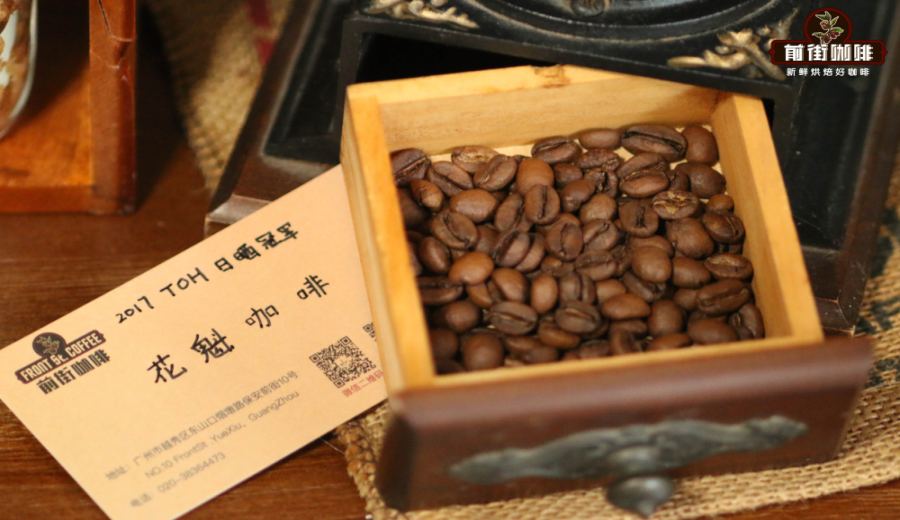
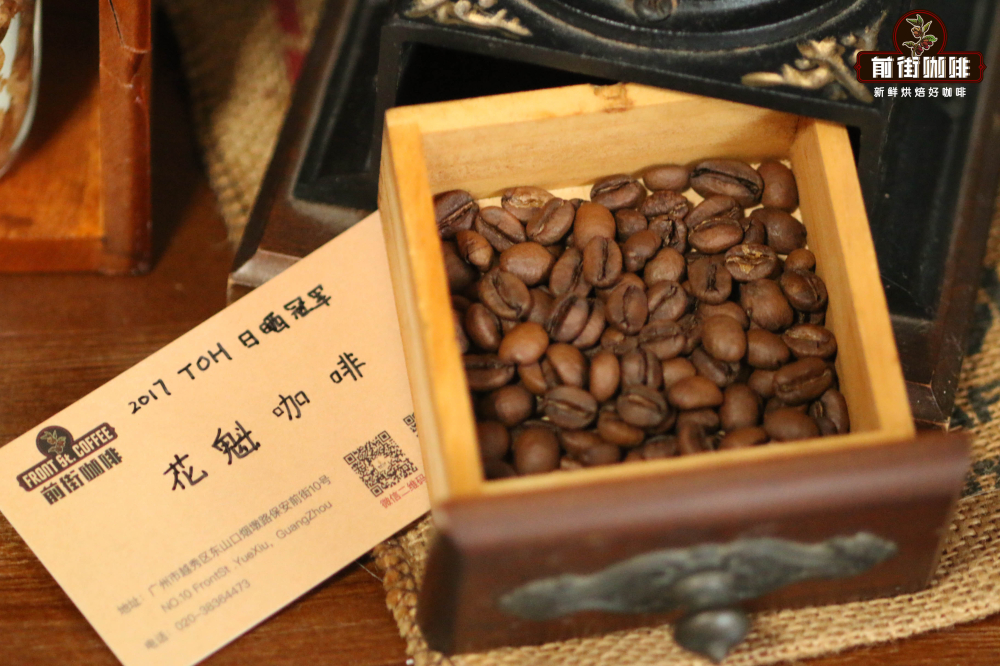
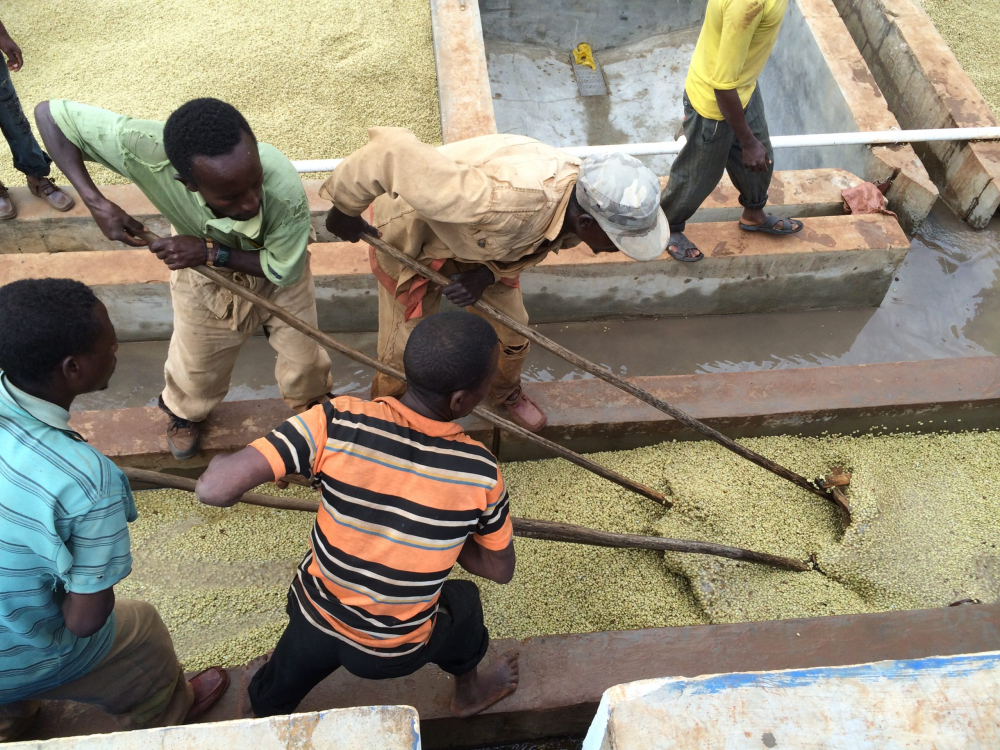
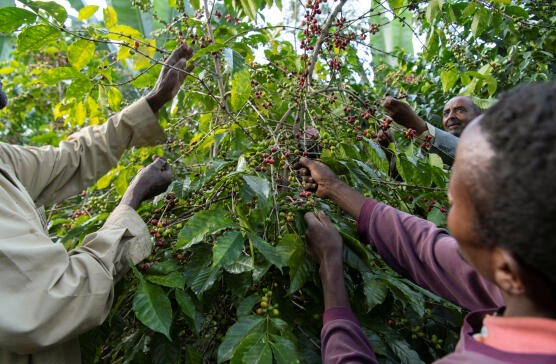
Huacai coffee belongs to an Ethiopian native variety. In 2017, it won the first prize in the sun-dried category and was honored with the title “Huacai.” Its harvest season is concentrated between December and January each year. During processing, only fully ripe coffee cherries with a sugar content of 21 or higher are selected and sun-dried on African raised beds. The entire sun-drying process lasts 21 days, with daily turning to ensure even fermentation. The fermentation period extends over twenty-plus days—far longer than the typical ten or so days of conventional sun-drying—thereby accumulating richer sweetness and complex aromas. In cupping, its wet aroma exhibits distinct wine and floral notes, and when brewed, it presents a multi-layered fruity sweetness akin to strawberry fruit tea along with gentle acidity.
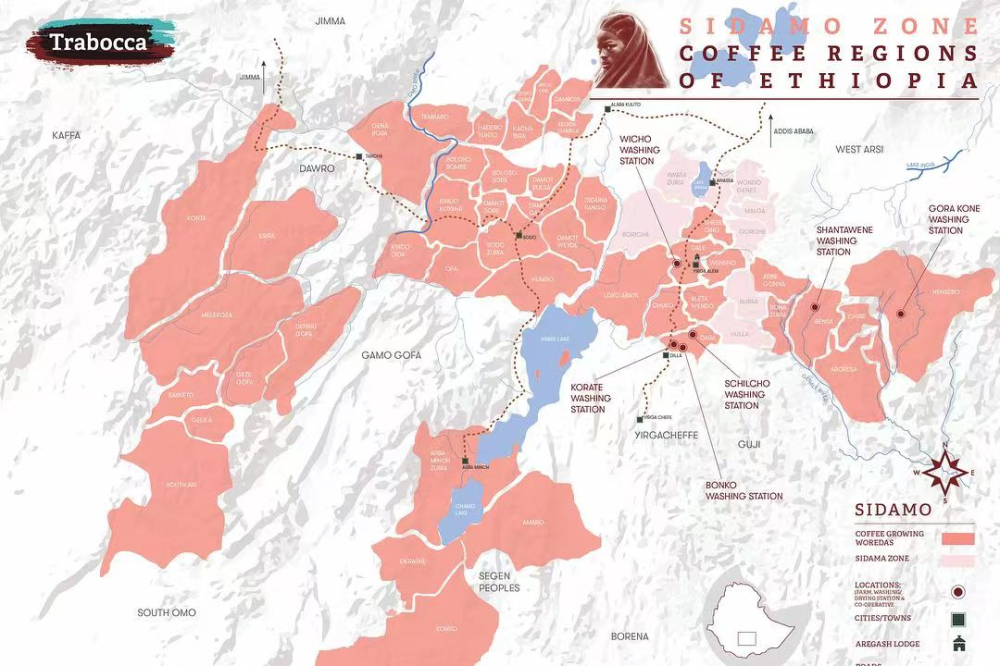
The name Sidamo originates from the indigenous Sidama people, who have a unique culture and language. In 2021, the Sidama Region was officially established, though it is still commonly referred to by its former name, “Sidamo.” In fact, prior to Ethiopia’s administrative reorganization in 1995, this area was called the Sidamo Province and was the origin of the country’s then-renowned specialty coffee. Although it was later incorporated into the Southern Nations, Nationalities, and Peoples' Region—now known as the Sidama Zone—the international market still habitually uses the name “Sidamo.” Especially in the specialty coffee market, Sidamo coffee is generally recognized for its bright citrus acidity and full body, offering a rounder profile compared to Yirgacheffe.
Geographically, what is traditionally referred to as “Sidamo coffee” actually spans both the Oromiya Region and the Southern Nations, Nationalities, and Peoples' Region (SNNPR), rather than being confined to today’s Sidama Zone. Therefore, the so-called Sidamo flavor is actually an impression shaped by a combination of unique geographical environments and traditional processing methods. The altitude here mostly ranges between 1400 and 2000 meters, and the diverse climate conditions and soil types result in significant flavor variations even within micro-lots of the same region. Many smallholder farmers deliver their coffee cherries to nearby processing facilities for unified processing, which are then sold under the names of those facilities—this also enables the possibility of micro-lot traceability and refined management.
The grading of Ethiopian green coffee beans was previously determined by the CLU department of the Ministry of Agriculture based on the number of defective beans per 300 grams, categorized into five grades from G1 to G5. Washed beans typically fell into G1–G2, while early sun-dried beans, due to technical limitations, were mostly G3–G5. However, with advancements in processing techniques, many sun-dried beans have now been elevated to G1–G2. Since the establishment of the Ethiopian Commodity Exchange (ECX), coffee has been further classified into nine grades based on 40% physical characteristics (such as defect count, size, appearance, and aroma) and 60% cupping quality. Non-washed beans place greater emphasis on defect control and aroma expression. High-quality beans within G1–G3 are cupped according to SCAA standards, with those scoring above 85 classified as Q1 specialty grade, 80–85 as Q2, and those below 80 falling into G3 or lower commercial grades.
The processing methods for Sidamo coffee are primarily sun-dried and washed. Washed processing emphasizes cleanliness and consistency, involving steps such as sorting, pulping, fermentation, washing, drying, hulling, and grading. Fermentation is used to remove the mucilage, followed by thorough washing with clean water, and finally reducing the moisture content to around 12%. The resulting flavors are characterized by clear acidity, a refreshing mouthfeel, and balanced body. In contrast, sun-dried processing involves directly exposing the whole coffee cherry with its husk to the sun for 27 to 30 days, requiring frequent turning to prevent mold or over-drying. Though the appearance may be less uniform, this method preserves more pulp sugars, leading to intense fruitiness, complex sweetness, and a full body. However, due to the lack of initial screening, the proportion of defective beans is usually higher.
Huacai 8.0 is a classic representative of sun-dried processing from the Sidamo region, produced at the Buku Abel processing facility at an altitude of approximately 2250–2350 meters, using the Ethiopian native variety. Its flavor profile often includes jasmine flower, fermented wine, creamy strawberry, and jackfruit notes, making it suitable for various brewing methods including pour over, cold brew, ice drip, and SOE coffee. Among these, presenting its fruity characteristics as a SOE flat white has become a popular choice in recent years.
When crafting Huacai 8.0 SOE flat white, special emphasis is placed on the extraction texture of the ristretto shot. It is recommended to use a double dose of coffee grounds (about 20 grams) to extract 30 grams of espresso, with a time control of 22–26 seconds, employing a double ristretto technique to enhance the intensity and layering of the shot. Then, steam 150 milliliters of milk, aiming for a thinner, less bubbly milk foam with a steaming temperature maintained at 50–60°C to ensure a smoother and more balanced overall mouthfeel. Finally, gently integrate the shot and milk without over-pouring for latte art. The final presentation is slightly flat, reflecting the typical “Flat White” style.
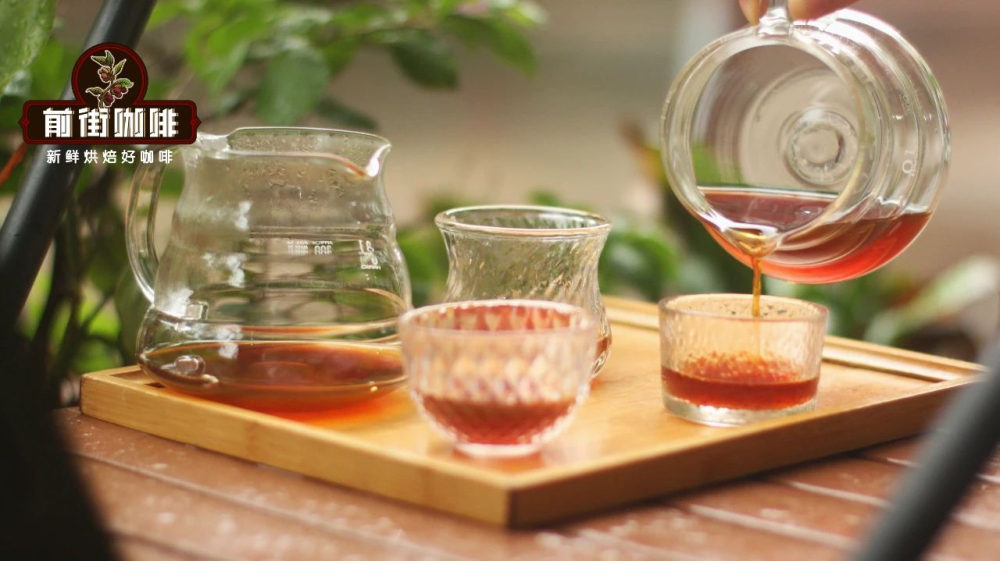
When sipping this Sidamo Huacai SOE flat white, one can appreciate the buttery cookie, plum, almond, and red berry aromas brought out by the crema, accompanied by a chocolate cookie-like finish. The overall experience is both sweet and layered. It not only showcases the intense fruitiness of Huacai 8.0 but also highlights the concentrated and delicate flavor expression of SOE coffee through the flat white brewing technique.
The above content is compiled by CoffeeHunters, a coffee news website.


