







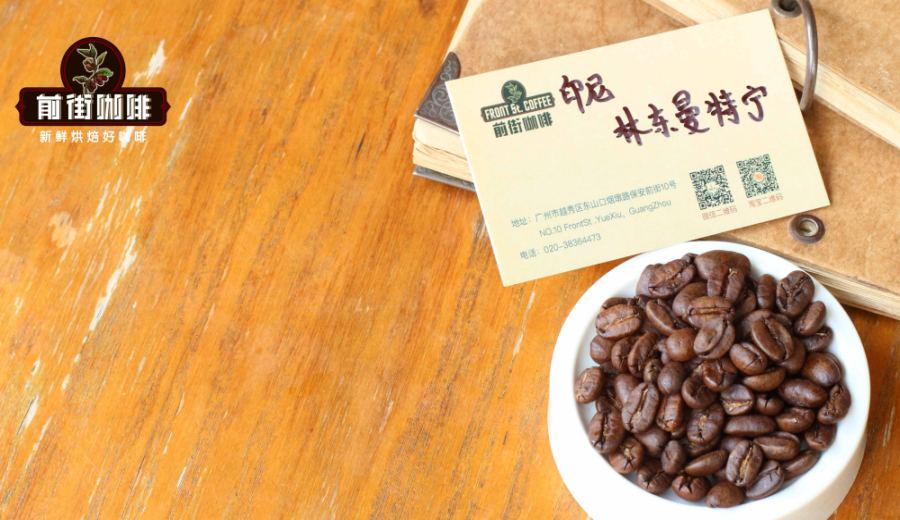
Introduction:Indonesian Mandheling coffee is renowned for its bold, rich body and low acidity with a deep aroma, but truly premium Mandheling actually boasts complex layers, featuring unique herbal and dark chocolate notes. This article delves into the differences between the Lake Toba region of Sumatra and the Gayo region of Java, comparing the Lintong Mandheling and PWN Golden Mandheling in terms of variety, processing method, and flavor profile. It also explains how Indonesia’s unique wet-hulling process contributes to its classic flavor characteristics. The article concludes with professional pour-over brewing recommendations to help coffee enthusiasts fully explore the flavor potential of Mandheling.
Mandheling coffee has always been known for its bold, full-bodied taste and low acidity, but not all Mandheling tastes monotonously bitter. In fact, premium Mandheling from Sumatra—especially those from the Lake Toba and Java regions—often carries delicate herbal aromas and deep dark chocolate aftertastes, making it a classic choice for both single-origin and blend coffee lovers.
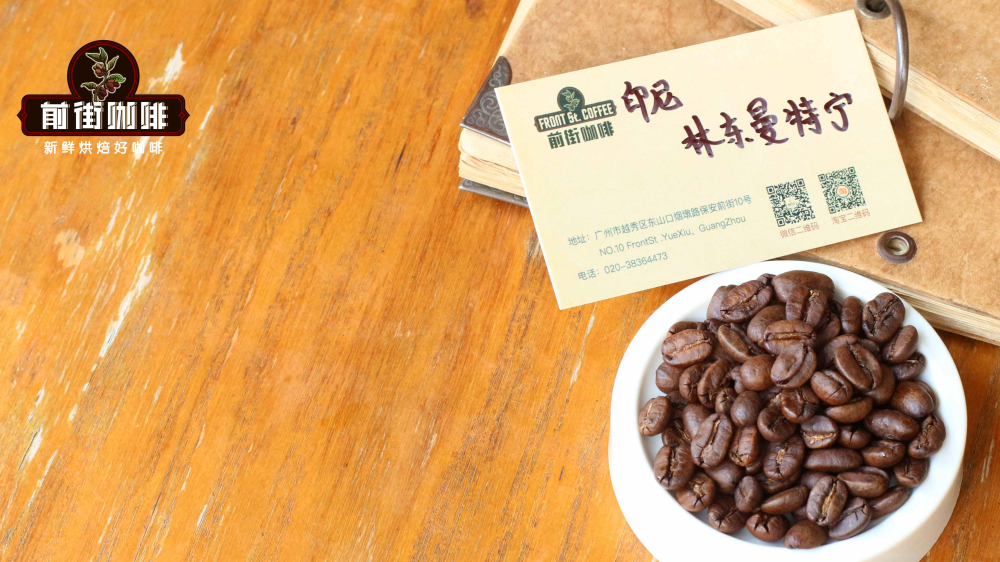
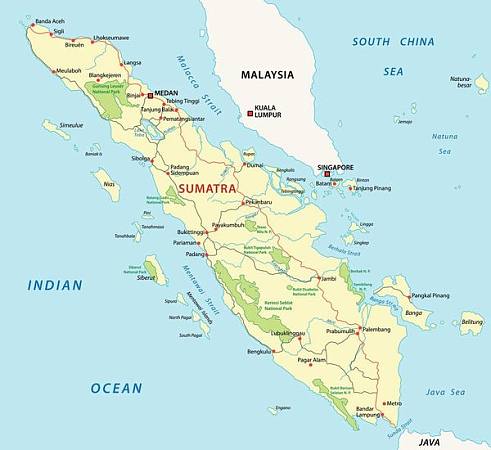
To understand Mandheling, we must start with its origin. A common misconception is to treat "Mandheling" as a place name, but it actually refers to an indigenous ethnic group on the Indonesian island of Sumatra. Only Arabica coffee grown on this island qualifies as Mandheling. The two most representative producing regions in Sumatra are the mountainous areas around Lake Toba in the north, and the Lintong area in the south. Additionally, the Lake Tawar region in northern Sumatra also produces unique Aceh coffee, which is sometimes also categorized under the broader Mandheling umbrella.
Lake Toba is a significant geographical landmark in North Sumatra Province, central Sumatra, and an important origin for premium Mandheling. In comparison, although Lake Tawar is much smaller—only one-tenth the size of Lake Toba—its coffee quality has improved rapidly in recent years, offering rich and layered flavors that have gradually drawn market attention. Lintong, meanwhile, is the traditional core area of Mandheling, known for its stable and distinctive flavor profile.
Two classic Mandheling varieties commonly found on the market are Lintong Mandheling from the Lintong region, and PWN Golden Mandheling from the Gayo region, produced by the PWN company. Although both fall under the broad Mandheling category, they differ in variety, processing method, and flavor expression.
PWN Golden Mandheling is a registered trademark of Indonesia’s PWN company, and its rigorous selection process is key to its quality assurance. Each batch of Golden Mandheling undergoes at least three rounds of manual sorting, selecting only beans sized 18 or above with fewer than 3 defects (per 300g sample), and classified as the highest grade, G1. The beans are dark green in color with a flat appearance. This strict control ensures the purity and consistency of the coffee’s flavor, with a pronounced sweetness and high cleanliness, though its body may be slightly lighter than some traditional Mandheling.
In contrast, Lintong Mandheling, while also G1 grade, offers a richer and more full-bodied flavor, making it suitable for drinkers who prefer a bold mouthfeel and deep herbal notes. Both coffees have their own merits, and consumers can choose based on personal taste preferences.
In terms of variety, Lintong Mandheling mainly uses the TimTim (i.e., Timor) variety, a natural hybrid of Arabica and Robusta known for its strong disease resistance, making it well-suited to Sumatra’s humid and rainy climate. PWN Golden Mandheling, on the other hand, mostly uses the Ateng variety, also known as Catimor—a cross between Caturra and Timor—which also has good resistance to pests and diseases, ensuring stable yield and quality even under harsh growing conditions.
The most iconic processing method for Indonesian Mandheling is undoubtedly the wet-hulling process. Developed to suit the region’s humid and rainy climate, this method is characterized by accelerating the hulling and drying processes. The typical procedure is as follows: first, the coffee undergoes water fermentation to remove the mucilage, then the pulp and the parchment-like outer husk are immediately removed, leaving the beans with a moisture content of about 30–40%. Next, through sun drying or mechanical drying, the moisture is reduced to around 13%. This method not only significantly shortens the processing time but also enhances the coffee’s bold character and unique flavor profile.
The wet-hulling process gives Mandheling its signature low acidity, bold body, and herbal and dark chocolate aftertaste, serving as a key differentiator from coffees of other regions. After roasting, Mandheling processed this way often exudes a rich caramel aroma, with a full body and long-lasting finish. It is not only ideal for pure pour-over enjoyment but also excellent as a base for espresso blends.
A high-quality Mandheling features a rich and stable flavor profile. Typical characteristics include a full body, low to moderate acidity, distinct herbal and spicy notes, and an enticing dark chocolate and caramel finish. These qualities make Mandheling not only suitable for single-origin tasting but also an important base bean for many baristas when creating blends.
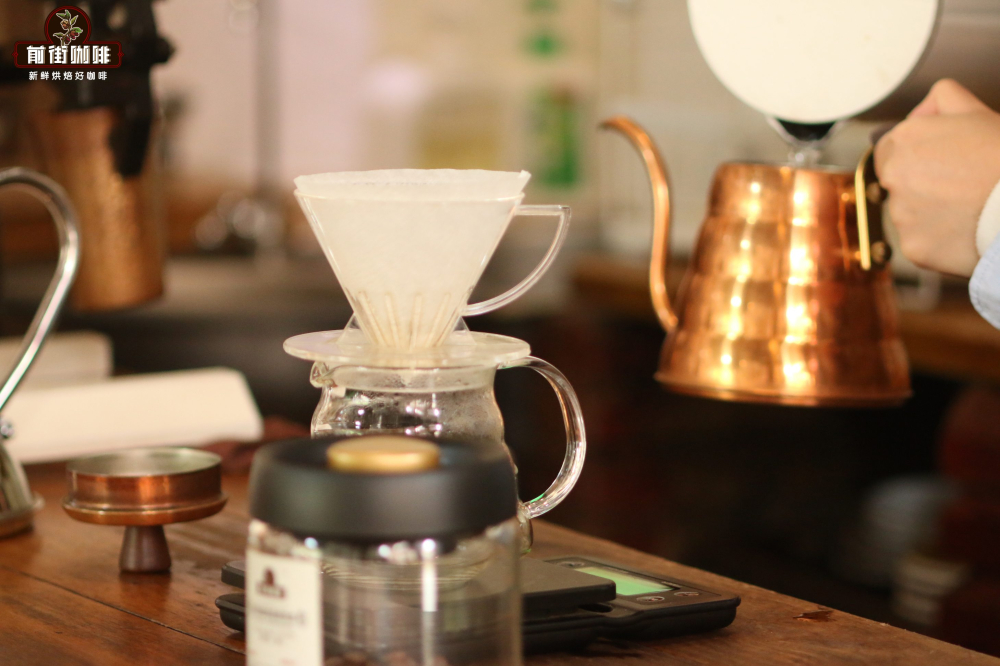
To fully experience the deep flavors of Mandheling, it is recommended to choose freshly roasted beans within five days post-roast and enjoy them via pour-over. Below are the recommended pour-over parameters:
- Filter:KONO
- Coffee dose:15 grams
- Coffee-to-water ratio:1:15
- Grind size:70% passing rate through a Chinese Standard No. 20 sieve (medium-coarse grind)
- Water temperature:88°C
- Bloom:Pour 30 grams of water, bloom for 30 seconds
- First pour:Slowly pour with a small stream until reaching 125 grams, for the first segment
- Second pour:Slightly increase the water flow, continue pouring to 225 grams
- Total brew time:Approximately 2 minutes
These parameters fully highlight Mandheling’s bold body and spicy notes while avoiding over-extraction that could lead to bitterness. If you prefer iced coffee or extended holding times, Mandheling still maintains stable flavors without developing sharp acidity, making it an excellent everyday choice.
The above content is compiled by CoffeeHunters, a coffee news website.


