







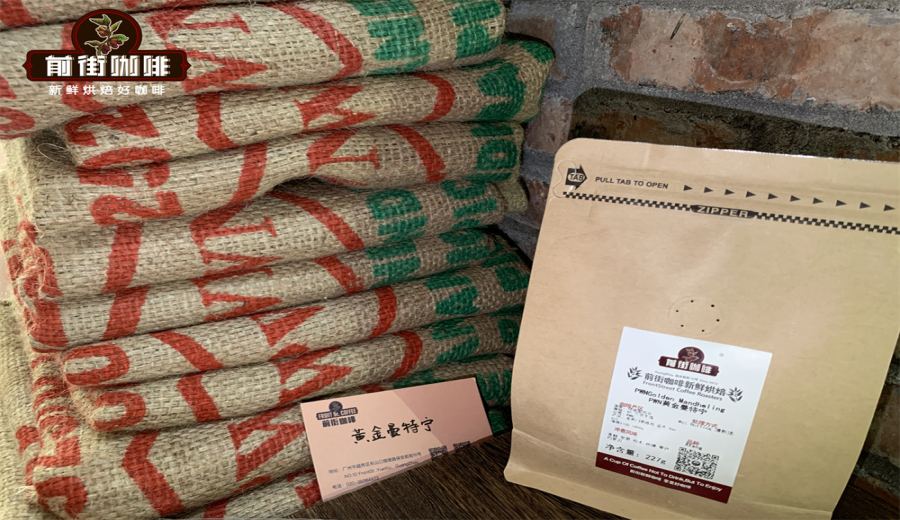
Introduction:Mandheling coffee is renowned worldwide for its rich, full-bodied flavor and unique notes of spices and herbs. However, behind this classic taste lies a journey of varietal evolution—from Typica to Catimor—as well as regional characteristics shaped by the wet hulling process. This article delves into the history of Indonesian coffee varietals, the origins and selection criteria of Golden Mandheling, and offers professional pour over recommendations and extraction parameters to help you master the brewing techniques of this classic dark roast bean. Whether you’re a beginner or an advanced enthusiast, there’s something to gain here.
When it comes to Mandheling, many people immediately think of its bold, solid mouthfeel paired with herbal and spicy aromas. But do you know that this classic coffee has undergone multiple varietal changes—from early Typica to the widely planted Catimor family, and even the premium-grade representative known as Golden Mandheling? This article will take you through a comprehensive exploration of Mandheling’s unique charm, from varietal evolution and processing techniques to brewing suggestions.
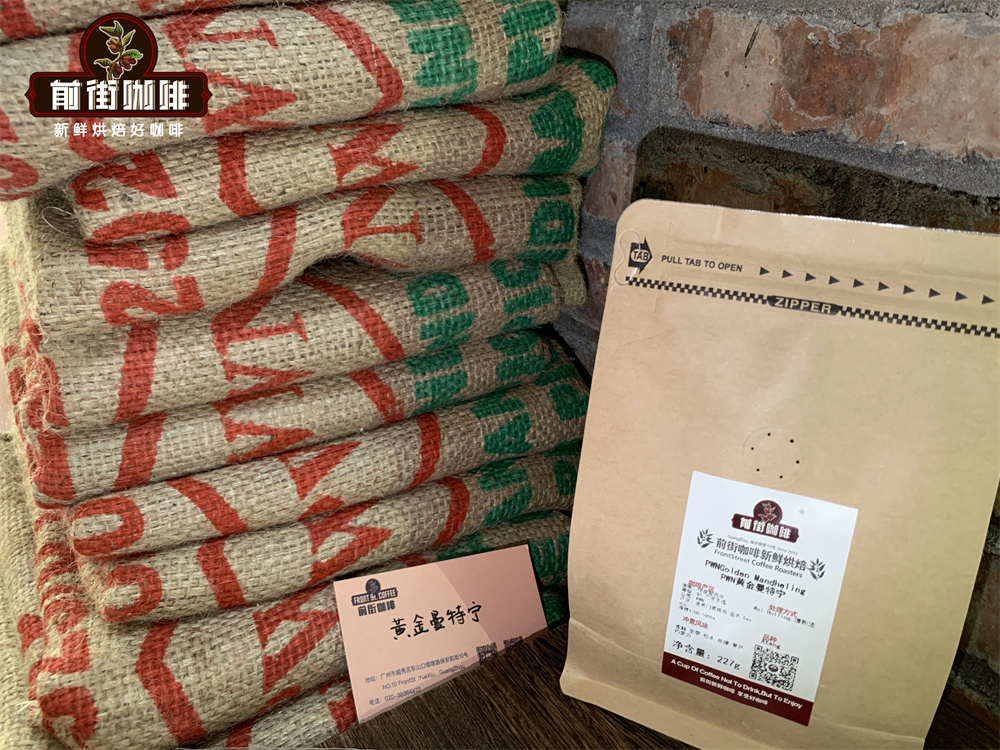
The commonly available "Golden Mandheling" produced by the PWN company today is mostly made from a local Indonesian variety called Ateng, which is actually a type of Catimor. Looking back in history, the first coffee introduced to Indonesia was Typica, brought from India by the Dutch in the late 17th century. It was planted on Java Island and also known as Bergendal or Sidikalang. This variety was once the representative of Indonesian coffee until the outbreak of coffee leaf rust in 1869 changed everything.
The coffee leaf rust disease led to the death of large numbers of Typica plants. To revive the coffee industry, the Indonesian government introduced more disease-resistant Robusta from Africa, which remains one of the country’s main cultivated varieties to this day. In addition, to improve yield and adaptability, various disease-resistant Arabica hybrid varieties were introduced, such as the Tim Tim and Bor Bor types and the Ateng type from the Catimor family. These varieties gradually replaced Typica due to their adaptability to Sumatra’s high-humidity environment, strong resistance to diseases, and stable yields. They now account for about 70% of Sumatra’s total coffee production.
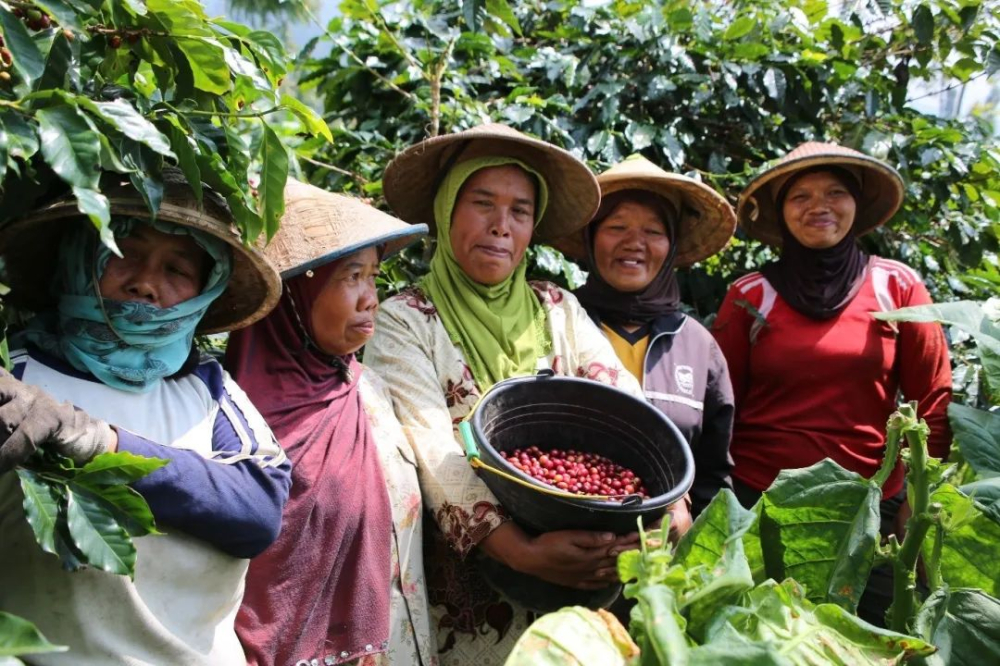
Among these, the hybrid of Tim Tim and Ateng, combined with Indonesia’s unique wet hulling process, creates a coffee with intense flavors, extremely low acidity, and distinct herbal and spicy notes. These beans typically have prominent bitter and aromatic qualities, with a thick mouthfeel, making them one of the most representative expressions of Sumatran flavor.
Speaking of Sumatran coffee, one cannot overlook its unique "wet hulling" process. Indonesia’s year-round humid climate, with air humidity often maintained between 70% and 90%, makes it difficult for traditionally washed beans to fully dry before mold sets in. As a result, the locals developed the wet hulling method to shorten processing time and reduce risks.
The wet hulling process generally involves the following steps: first, the coffee pulp is removed, followed by about 3 hours of fermentation and water washing to remove the mucilage. Then, the parchment-covered beans are partially dried for 2 to 3 days until the moisture content drops to 20%–24%, at which point the beans become semi-soft. Next, the outer parchment layer is removed, and drying continues until the moisture content reaches around 13%, after which they can be packaged. However, the hulling process often causes friction, leading to small indentations at both ends of the beans—commonly known as "elephant foot beans." Additionally, the beans exposed earlier are prone to absorbing surrounding moisture and microorganisms, contributing to the distinctive woody, spicy, and herbal "regional character" of Sumatran coffee.
This processing method results in lower acidity, higher body, and intense flavors of dark chocolate, caramel, and nuts. It is particularly well-suited for dark roasts and is highly favored in the Japanese market.
As for the origin of "Golden Mandheling," there is an anecdote related to World War II and Japanese soldiers. It is said that during the war, when Japan occupied Sumatra, the local wet-hulled Mandheling coffee became deeply loved by Japanese soldiers for its rich and aromatic profile. One soldier, due to a language barrier, misheard the name of the coffee as "Mandailing" (Mandheling). After the war, he commissioned an Indonesian broker to import 15 tons of what he remembered as that coffee, which turned out to be a huge success. That broker later founded the PWN coffee company, focusing on the procurement and refinement of premium Mandheling, and became the driving force behind the "Golden Mandheling" brand.
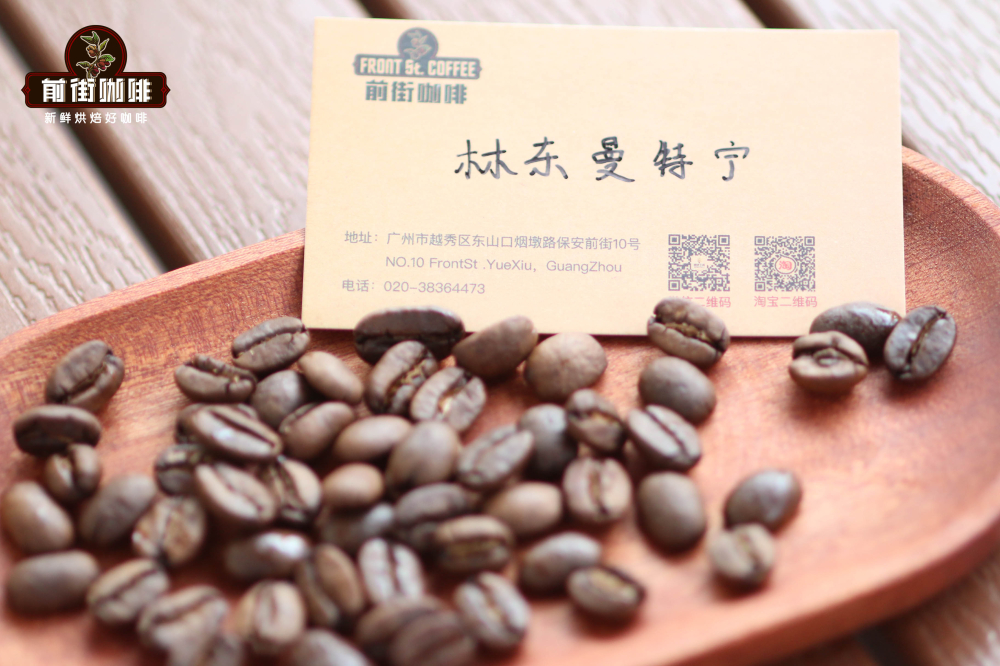
PWN selects high-quality Mandheling green beans locally in Sumatra with strict standards and produces only premium-grade products. Golden Mandheling is its flagship product, requiring one machine sort and four rounds of manual hand-picking to eliminate defective beans, ensuring large, uniform bean size, bright color, and minimal off-flavors. Legend has it that these beans shimmer with a golden hue under sunlight, hence the name "Golden." It is important to note that PWN has registered "Golden Mandheling" as a trademark, and only beans produced by this company are considered authentic. Look for the PWN logo and official origin certification on the packaging when purchasing.
Here are some practical suggestions for brewing Golden Mandheling to bring out its best flavors. If you’re new to coffee, you might want to start with a cost-effective everyday bean like Lintong Mandheling to familiarize yourself with the flavor profile of Sumatra. For advanced enthusiasts, PWN Golden Mandheling is definitely worth trying.
Mandheling is suitable for various brewing methods, including pour over, French press, AeroPress, and siphon. However, pour over can best highlight its subtle layers. Many shops commonly use the KONO filter for extraction. This filter has a smooth upper section with only short ribs in the middle and lower parts. When wet, the filter paper adheres tightly to the filter, reducing airflow and extending contact time between water and coffee grounds, helping enhance concentration and body—especially ideal for beans with pronounced dark roast characteristics.
It is recommended to use 15 grams of coffee grounds (adjust based on filter capacity; for 1–2 servings, 15–20 grams is suggested), with a 1:15 coffee-to-water ratio as a baseline (you may fine-tune between 1:13–1:17 according to taste preferences). The grind size should be medium-fine, approximately 70% passing through a Chinese No. 20 standard sieve. Use water at 87°C and follow a three-stage extraction method:
- Step 1: Wet the filter paper and add the coffee grounds, then gently tap to level them;
- Step 2: Pour 30 grams of hot water in the center and let it bloom for 30 seconds, observing the coffee grounds expand to form a “bloom dome”;
- Step 3: Continue pouring in the center up to 125 grams, then wait for the liquid level to drop before pouring the final 100 grams. Maintain a steady, fine stream throughout to avoid channeling;
- Once the coffee has finished dripping, remove the filter, gently swirl the cup, and enjoy.
Please note that the above parameters are suitable for freshly roasted coffee beans. It is recommended to use beans roasted within 5 days for the best flavor expression. The brewed Golden Mandheling will present a solid mouthfeel, interweaving notes of cedar, spices, dark chocolate, and roasted hazelnuts, with a clean finish and sweet caramel undertones, leaving a memorable aftertaste.
The above content is compiled by CoffeeHunters, a coffee news website.


