







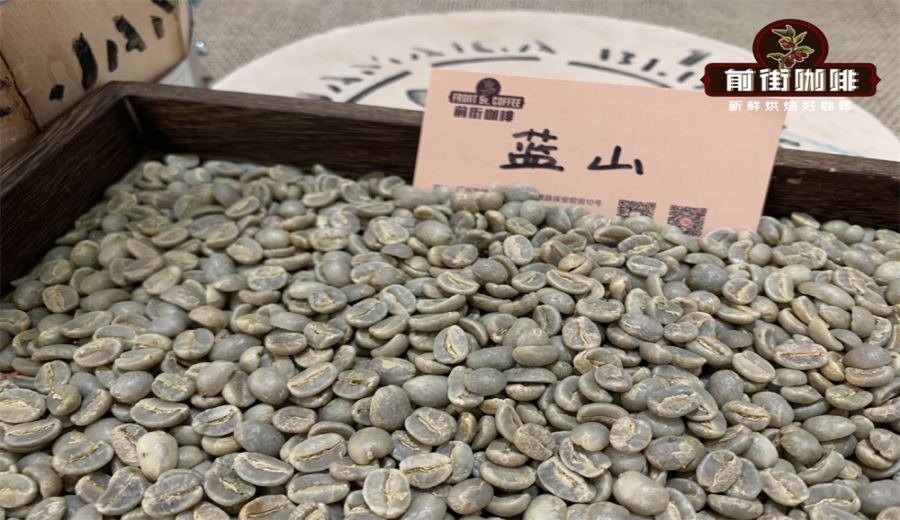
Introduction:Jamaica Blue Mountain coffee is renowned as one of the world’s top-tier coffees, celebrated for its rich, clean, and balanced flavor profile. However, its high price and prevalence of counterfeits in the market make it a subject of intrigue. This article delves into the growing environment, official grading system, processing variations, and offers expert pour over parameters along with flavor descriptions to help you understand what constitutes genuine Blue Mountain coffee — and how to enjoy it at a reasonable price.
Blue Mountain coffee is globally recognized as a premium coffee variety, known for its full-bodied taste, balanced acidity and sweetness, and clean aftertaste. Yet, precisely because of its stellar reputation, the market is flooded with imitations. So, what is a fair price for a cup of coffee that truly comes from the Blue Mountains of Jamaica? What unique flavor characteristics and grading standards does it have? This article will comprehensively explore these questions, taking you from the origin to your cup to fully appreciate this legendary coffee.
The Unique Growing Environment of Blue Mountain Coffee
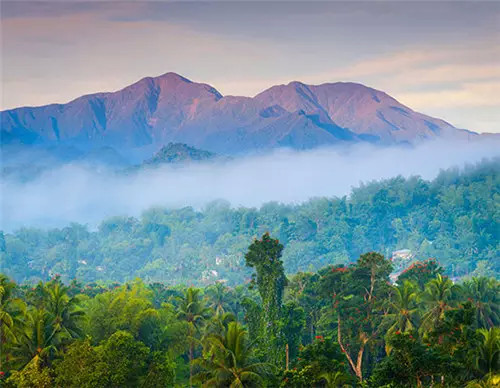
What makes Blue Mountain coffee so special is inseparable from its growing environment. The term "Blue Mountain coffee" strictly refers to beans grown in the Blue Mountains of Jamaica, and the cultivation altitude must reach800 meters above sea levelto meet the orthodox definition. In fact, the Blue Mountain coffee produced in this region comes from the Clifton Estate at an elevation of1310 meters, a height that imparts even greater complexity and refined flavors to the coffee.
The Blue Mountains are located in eastern Jamaica. Surrounded by the Caribbean Sea, sunlight reflecting off the ocean gives the mountain peaks an enchanting blue hue, hence the name. This region boasts fertile volcanic soil, a mild climate year-round with an average temperature of about27°C, and an annual rainfall of1980 millimeters, coupled with frequent fog and humidity — providing nearly perfect growing conditions for coffee trees. Notably, the caffeine content of Blue Mountain coffee is less thanhalfthat of regular coffee, aligning with the modern trend toward healthier beverage choices.
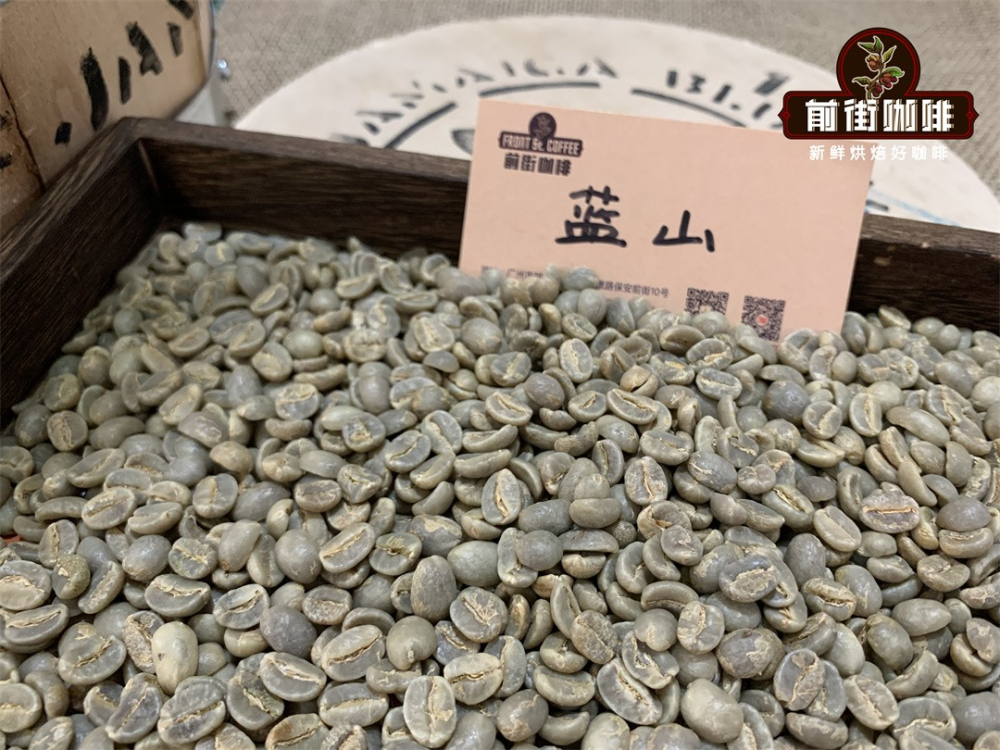
How Much Should a Cup of Blue Mountain Coffee Cost?
The long-standing high price of authentic Jamaica Blue Mountain coffee is primarily due to its rarity and production limitations. Generally, imported roasted Blue Mountain coffee beans are priced at approximately1200 RMB per pound (approximately 450 grams). For a cup containing about45cc, which typically requires7 gramsof coffee beans, one pound of beans can yield around50 to 60 cups, putting the raw material cost per cup at roughly20 to 24 RMB. Adding operational costs for the café, a selling price of around50 RMBis considered reasonable.
In fact, in earlier years, many coffees marketed as "Blue Mountain" were actually blends or expensive substitutes from other regions, causing consumers to pay high prices without experiencing true Blue Mountain flavors. Today, as the market matures, it’s easier for consumers to purchase authentic products through legitimate channels, though prices remain steep. If you’re looking to experience its genuine flavors at a more affordable price, keep an eye out for authentic Blue Mountain coffee priced around60 RMB, which typically offers flavors that arefragrantly sweet and low in bitterness, with fruity notes on the palate followed by cocoa and nutty aftertastes.
The Grading Standards of Blue Mountain Coffee
Jamaica Blue Mountain coffee is categorized into three main classes based on quality: Blue Mountain Coffee, Jamaica High Mountain Supreme, and Jamaica Prime Coffee. Among them, Blue Mountain Coffee and Jamaica High Mountain Supreme are each further divided into two grades, ranked from highest to lowest as: Blue Mountain No.1, Blue Mountain No.2, High Mountain No.1, High Mountain No.2, and the base-grade Jamaica Prime Coffee.
Within Blue Mountain Coffee, beans are further distinguished byNo.1, No.2, No.3, and PB (Peaberry). Among these,No.1 is the highest grade, requiring green beans to be17 mesh size or larger, with a defect rate below3%, and moisture content around13%. The most premium Blue Mountain Peaberry beans, also known asPB (Peaberry), are small round beans carefully selected from planting areas above2100 metersin altitude. These are rare, aromatic, and offer lingering fruity notes, making them highly sought after by collectors and coffee enthusiasts.
Additionally, according to export data from the Jamaica Coffee Industry Board, historically a high proportion of Blue Mountain coffee beans were monopolized by the Japanese market, reaching up to85%, resulting in very limited global availability. However, in recent years, as Japanese demand has decreased, regions such as China and Taiwan have gradually gained access to genuine beans through official channels.
The Varieties and Processing Methods of Blue Mountain Coffee
Blue Mountain coffee primarily uses theTypica (Typica) varietyfrom Ethiopia, one of the oldest Arabica varieties, known for its elegant flavor but also for its low yield and susceptibility to disease. Its coffee cherries are bright red, cherry-like in appearance, and the beans are slightly oval-shaped.
In terms of processing, Blue Mountain coffee has traditionally been processed using thewashed method, where water washing and fermentation remove the pulp layer, followed by prolonged drying and screening to ensure bean purity and stable quality. However, in recent years, there has also been the emergence ofnaturally sun-dried Blue Mountain coffee, which, while offering a slightly different flavor profile, still retains the delicate traits of Blue Mountain coffee. Notably, Jamaica is among the few regions that still usewooden barrels for green bean storage, and the green frog symbol on these barrels often indicates Rainforest Alliance certification.
Recommended Brewing Parameters for Blue Mountain Coffee
To fully showcase the delicate flavors of Blue Mountain coffee, it is recommended to use the following pour over parameters:
- Filter:Kono filter
- Brewing Temperature:88°C
- Coffee Dose:15 grams
- Coffee-to-Water Ratio:1:15
- Grind Size:Medium grind (approximately 75% passing through a #20 sieve)
Brewing Technique:Use a three-stage pour: begin with a 30-second bloom using 30 grams of water, then pour in a small circular motion until the water level reaches 125 grams for the first pour. After the water level drops, continue pouring to 225 grams, then stop. Allow the filter to fully drain before removing. Total brew time is approximately2 minutes.
Flavor Profile of Blue Mountain Coffee
Whether washed or sun-dried, Blue Mountain coffee features low acidity and a full body. The sun-dried version often exhibitsmild berry-like acidity (such as dark plum or mulberry), accompanied by intense flavors of dark chocolate and nuts, sometimes with a slight hint of fermentation. The washed version showcases asmooth texture of dark chocolate and nuts, with an excellent balance of acidity, sweetness, and bitterness, and a velvety mouthfeel akin to cream.
In summary, Blue Mountain coffee is not just a symbol of high price — it’s a challenge for coffee lovers seeking the ultimate flavor experience. With the right purchasing channels and brewing methods, you too can enjoy this exceptional coffee from the peaks of the Caribbean at home.
The above content is compiled by CoffeeHunters, a coffee news website.


