







Introduction:Do you know why coffee beans all called Geisha can taste vastly different? This article will take you back to the champion bean of the 2004 BOP competition, tracing how the Geisha variety made its way from Ethiopia’s Gesha Forest to Panama, where it shone brilliantly at Hacienda La Esmeralda. Learn about the origin of the key identifier T2722, and why Panamanian Geisha has such distinct flavor differences compared to other regions like Ethiopia or Costa Rica — understand the truth behind these sky-high-priced Geishas in one go.
Geisha is the most iconic specialty coffee variety after Blue Mountain. Not only does it consistently achieve outstanding results in international competitions, but it is also often the highest-priced premium bean in many cafés. However, even with the same name, Geisha from different regions can exhibit completely different flavor profiles — some bursting with floral and fruity acidity, while others are rather bland, even making you wonder if the wrong beans were served. This article starts with the 2004 BOP competition and gradually reveals the origins and evolution of the Geisha variety.
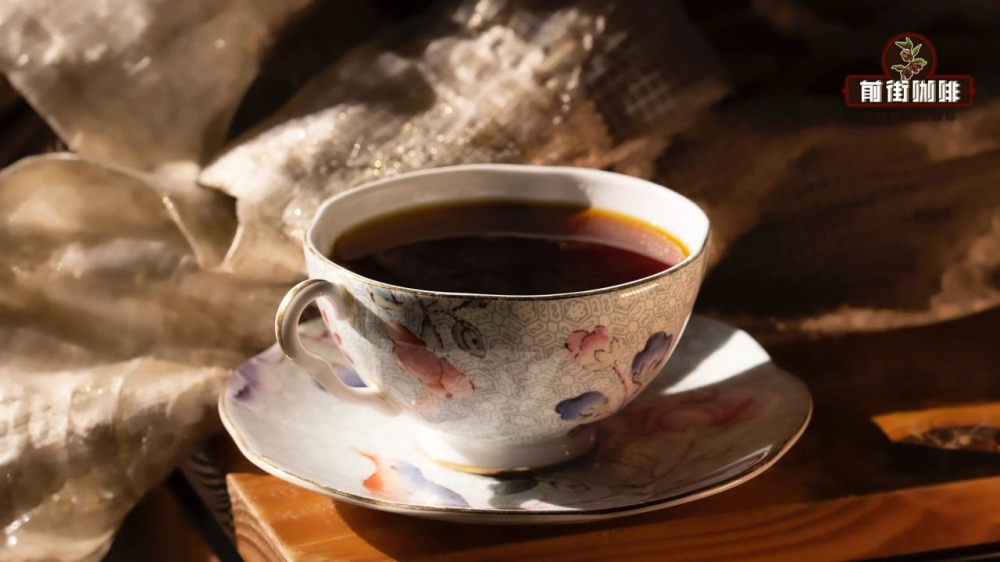
When talking about Geisha, one cannot overlook the 2004 Best of Panama (BOP) competition. That year, Hacienda La Esmeralda stunned the judges with a coffee from the Geisha variety. This bean showcased unprecedented bright acidity, delicate floral notes, and honey-like sweetness, completely overturning people’s preconceived notions about Central and South American coffees. The judges were amazed that coffee with Ethiopian-like flavors could actually be grown in Panama.
The key to this championship-winning coffee lies in its variety — Geisha, known in Chinese as 瑰夏. Its distinctive flavor left a deep impression and sparked a global pursuit of this variety. However, not all coffees labeled “Geisha” can deliver such flavors; the true key lies in the origin of the variety and the growing environment.
To understand today’s Geisha, we need to go back to Africa in the 1930s. At that time, although Ethiopia had not been colonized, many surrounding areas had fallen under the control of European powers. In 1931, British army Colonel Richard Whalley was tasked with traveling to the Kaffa Forest region in southwestern Ethiopia to search for coffee varieties with commercial potential. During his exploration, he arrived at a forest called Gesha, where he collected various coffee tree species, which were then taken to Maji, where the British consulate was located, and subsequently sent to coffee research institutions in Kenya and Tanzania for cultivation.
It is worth noting that due to language differences and oral transcription errors, the colonel mistakenly recorded the local name “Gesha” as “Geisha” in his report, and this mistake has persisted to this day. Once in Kenya, researchers classified and numbered these coffee seeds, with some later sent to the Lyamungu Research Station in Tanzania for re-screening, cultivation, and further classification into superior strains such as VC496 to VC500.
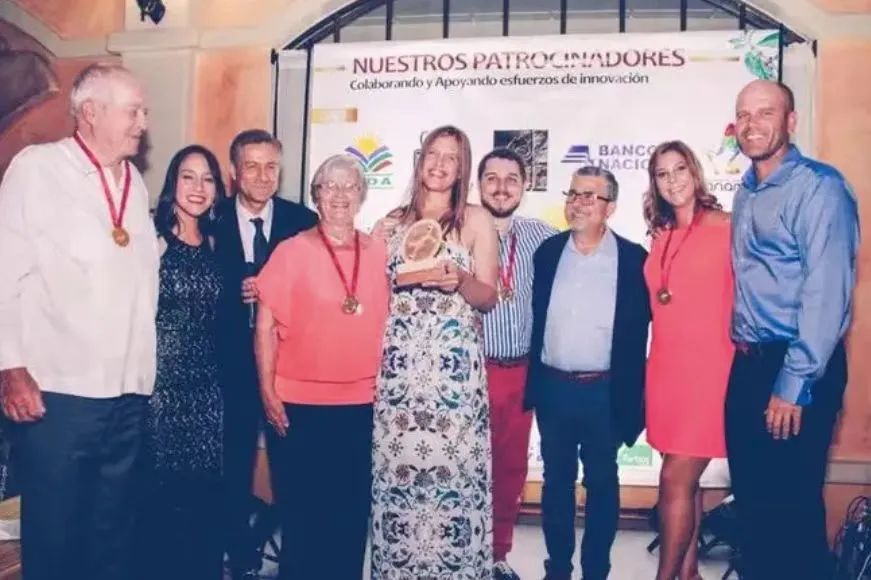
In 1953, the Geisha variety cultivated in Tanzania was introduced to the Tropical Agricultural Research and Higher Education Center (CATIE) in Costa Rica. It wasn’t until 1963 that Panamanian agricultural official Don Pachi obtained some seeds from CATIE and distributed them to farmers across the country for trial planting. The variety planted by Hacienda La Esmeralda is precisely the CATIE No. T2722, which corresponds to the original Tanzanian number VC496.
In other words, from Ethiopia’s Gesha Forest to Panama’s Hacienda La Esmeralda, this coffee variety underwent decades of selection and circulation, eventually flourishing in a highland environment at over 1,500 meters above sea level, showcasing unparalleled floral and citrus notes — thus becoming the Panamanian Geisha we know today.
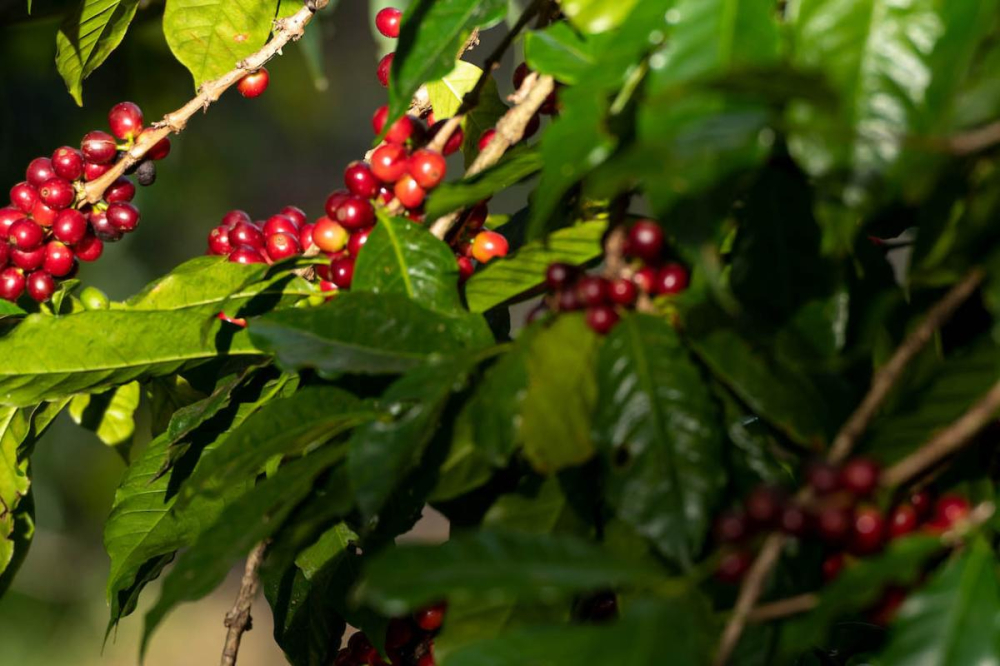
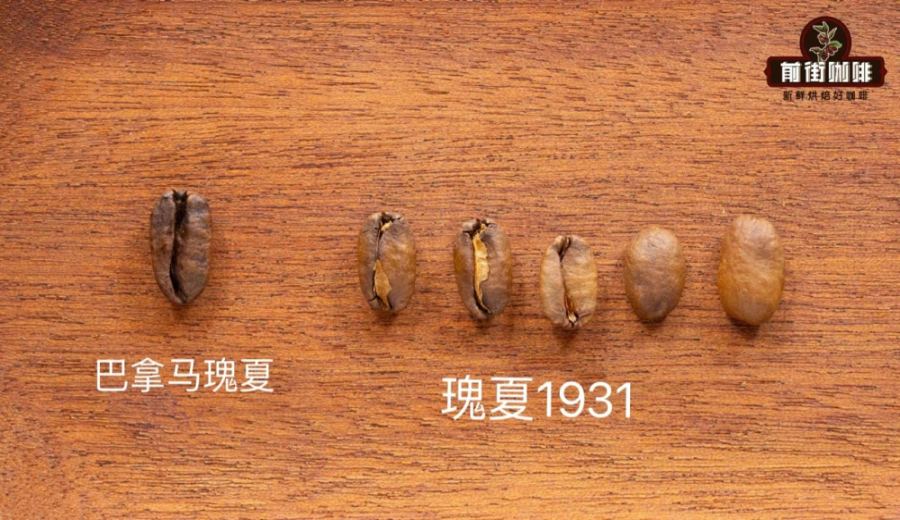
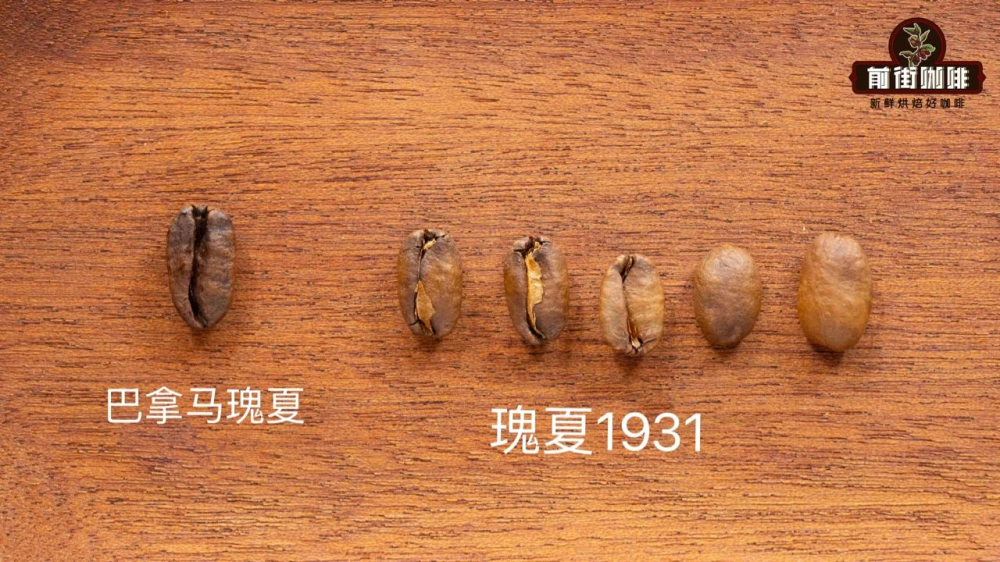
At this point, you might ask: what about the original Geisha from Ethiopia? Why doesn’t it possess those same special floral and fruity acidity characteristics? The answer is quite simple — although Ethiopia is home to a rich coffee genetic repository, finding a variety among the many wild or traditional types that shares the same genetic background as T2722 is almost like searching for a needle in a haystack. In 2009, Willem Boot, one of the 2004 BOP judges, led a team back to the Gesha Forest, attempting to find native varieties with flavors similar to Panamanian Geisha. They eventually selected and cultivated varieties such as Gesha 1931 and Gori Gesha. Though similar to Panamanian Geisha, these are not the same strain.
As for Geisha from other regions like Costa Rica, flavor discrepancies with Panamanian Geisha are also common. The reasons can be broadly summarized into three points: first, Costa Rica has introduced a variety of Geisha strains, including not just T2722 but also T2917, T3214, and others, which inherently differ in appearance and flavor; second, the altitude and microclimate where the coffee is grown significantly affect its performance, with higher altitudes generally benefiting acidity and aroma development; finally, processing methods also play a crucial role — Costa Rica commonly uses honey processing or heavy fermentation techniques, which can easily mask the delicate flavors inherent to Geisha.
In summary, the name “Geisha” represents not just a single variety, but a long journey of cross-continental variety circulation and selection. Only by understanding this historical context and environmental factors can one truly appreciate the unique charm of Panamanian T2722 Geisha. If you’re eager to experience the legendary layered, floral-rich coffee flavor, choosing a Geisha from Panama, grown at high altitudes and processed with refined washed methods, is your most reliable option.
The above content is compiled by CoffeeHunters, a coffee news website.


