







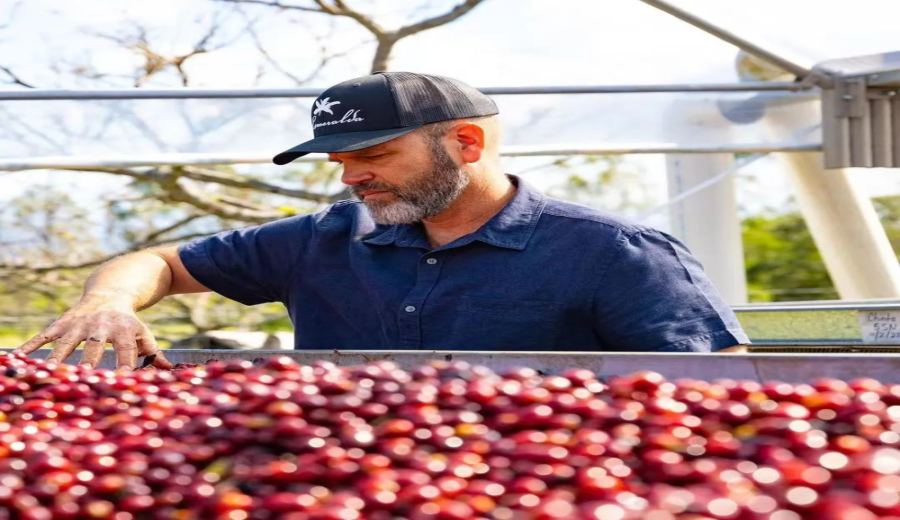
Introduction:The Geisha beans from Finca La Esmeralda are renowned worldwide for their unique flavors, but how do you choose between the Red Label and Green Label? What are the differences between the various plots? This article delves into the microclimates and cultivation details of the three major growing regions—Jaramillo, Canas Verdes, and El Velo—and explains the Geisha grading standards. It also clarifies the selection criteria and typical flavor profiles of the Red Label and Green Label, while providing practical pour over parameters and steps to help you better capture the flavor potential of this top-tier coffee.
The Geisha (Geisha) grading system at Finca La Esmeralda has always been a focal point for specialty coffee enthusiasts. Starting with the 2022 harvest, with the official commercial production of Finca El Velo, the Peterson family redefined the two major grades—Esmeralda Special (Red Label) and Private Collection (Green Label). For the first time, the Green Label also indicates specific harvest plot information, allowing consumers to have a clearer understanding of the origin of each batch of beans.
Finca La Esmeralda has four major coffee-growing areas, three of which specialize in growing Geisha: Jaramillo, Canas Verdes, and El Velo. Each plot, due to differences in altitude, climate, and soil conditions, produces Geisha beans with distinct flavor characteristics.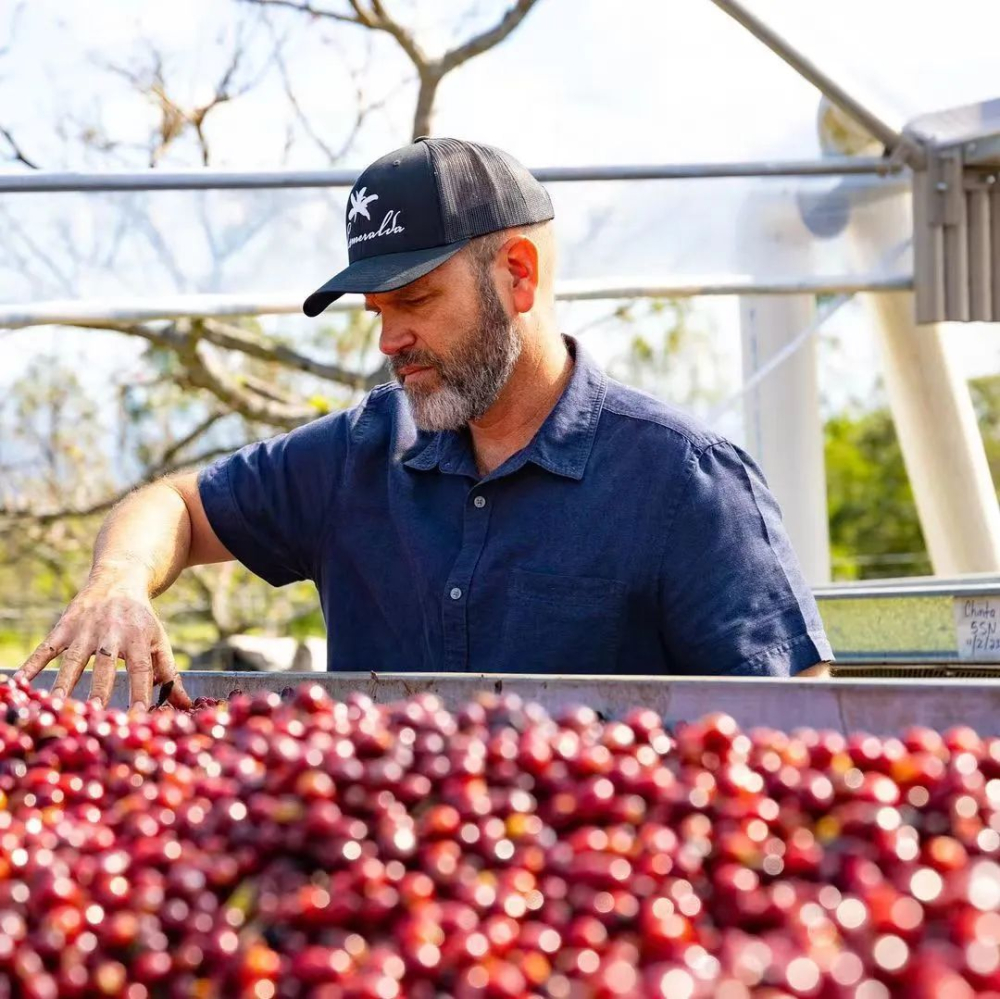
Jaramillo is the area first acquired by the Peterson family and also the birthplace of the Geisha variety. This area has an average altitude of about 1700 meters, which is not extremely high, but the steep slopes increase harvesting difficulty. The region receives up to 4000 mm of annual rainfall, with significant day-night temperature differences—daytime temperatures around 19-25°C dropping to 11-15°C at night—coupled with dense shade, providing an ideal environment for Geisha to develop delicate floral notes. Currently, Jaramillo has six subplots used for producing Red Label Geisha, including Mario, Noria, Reina, Bosque, Buenos Aires, and the newly added Caballeriza in 2023, along with another subplot, Manantial, which has not yet been released to the market.
Canas Verdes, often transliterated in Chinese as “绿色芦苇” or “绿色田野,” gets its name from the original Spanish meaning. Half of this area was acquired alongside Jaramillo as early as 1967, with the remaining portions gradually expanded starting in 2004 after Geisha gained fame. This area is located on the eastern slopes of the Barú Volcano, with a wide range of altitudes spanning from 1500 meters up to 2050 meters, resulting in diverse microclimates.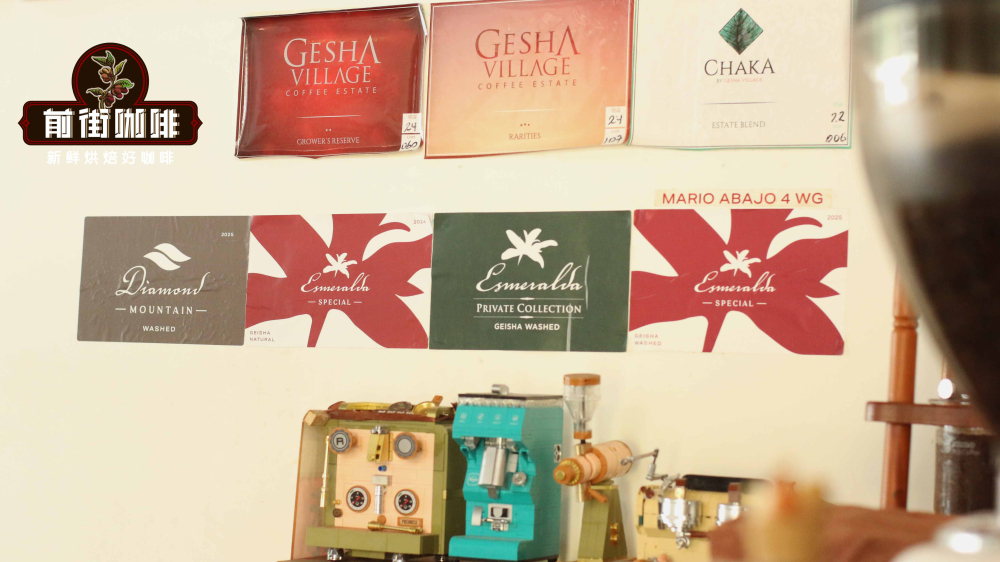
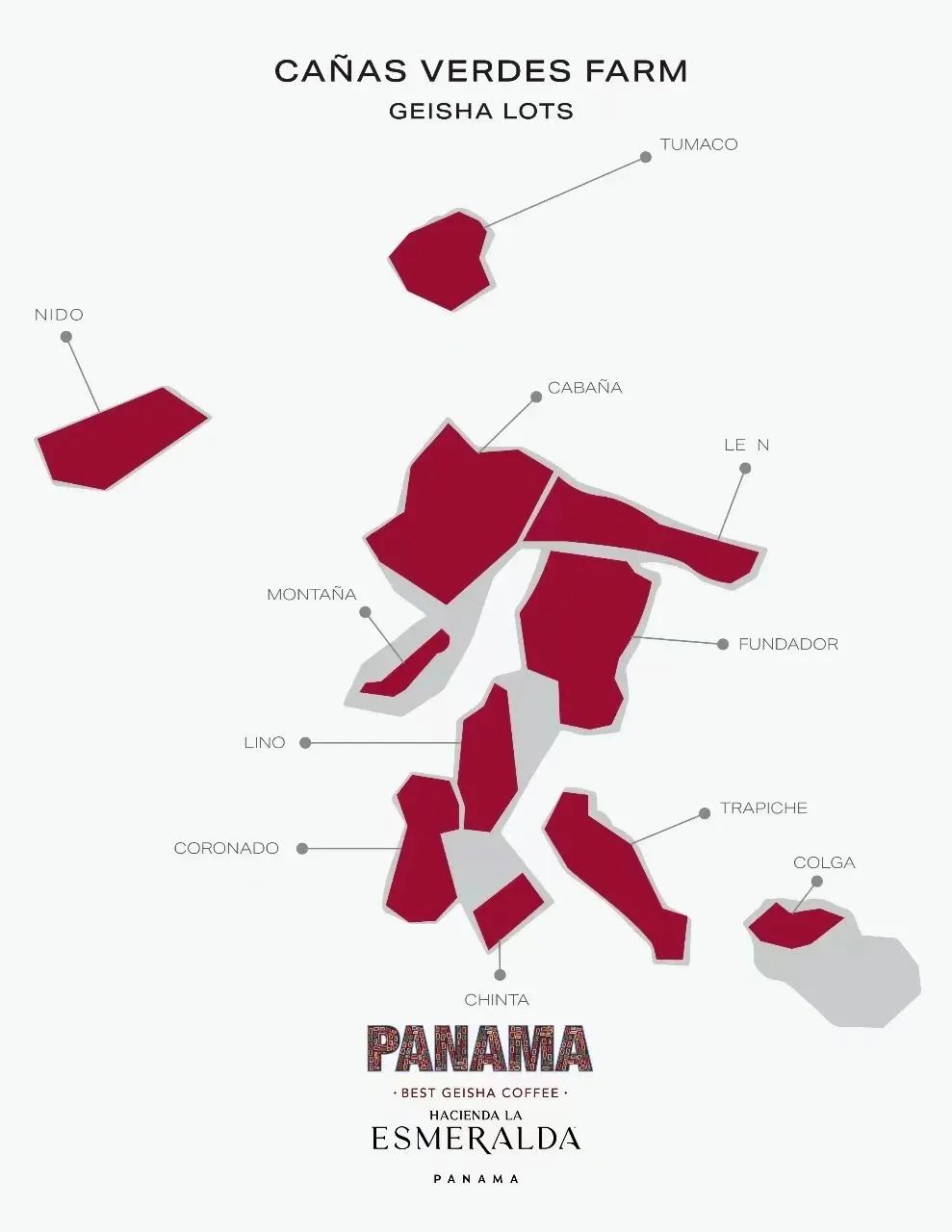
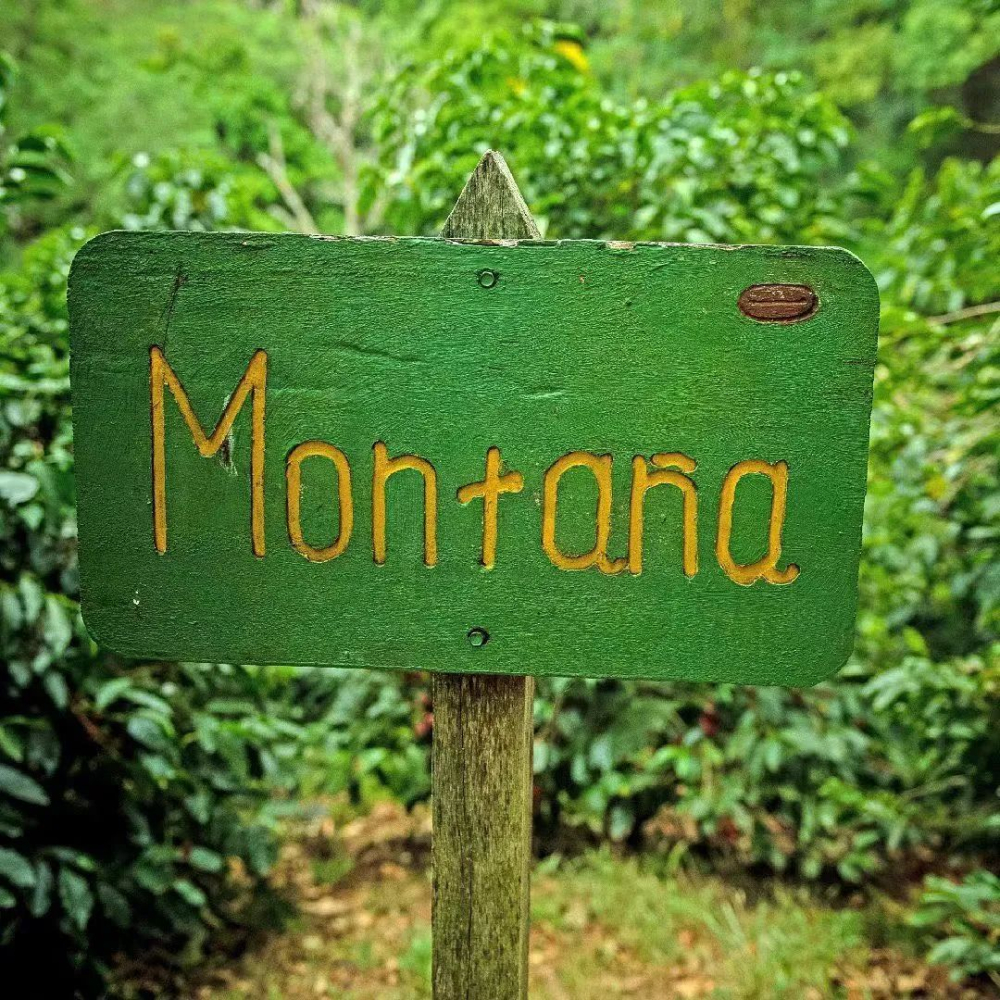
Canas Verdes receives about 3500 mm of annual rainfall, with day-night temperature differences ranging between 16-23°C during the day and 10-15°C at night. Coupled with its complex terrain and volcanic soils, the Geisha from this area often exhibits rich tropical fruit and floral notes. Currently, there are 11 subplots used for Geisha production in this region, including Lino, Coronado, Fundador, León, Montaña, Trapiche, Jacinta, Cabaña, Tumaco, Nido, and Colga.
Finca El Velo is the newest area acquired by Finca La Esmeralda in 2012 and is currently the highest-altitude growing region, with elevations reaching up to 1900 meters, making it the only block that has undergone complete land leveling. In addition to Geisha, this area also grows over 400 coffee varieties from CATIE, such as Laurina, Pacamara, Mocha, and SL28, for long-term varietal research and development.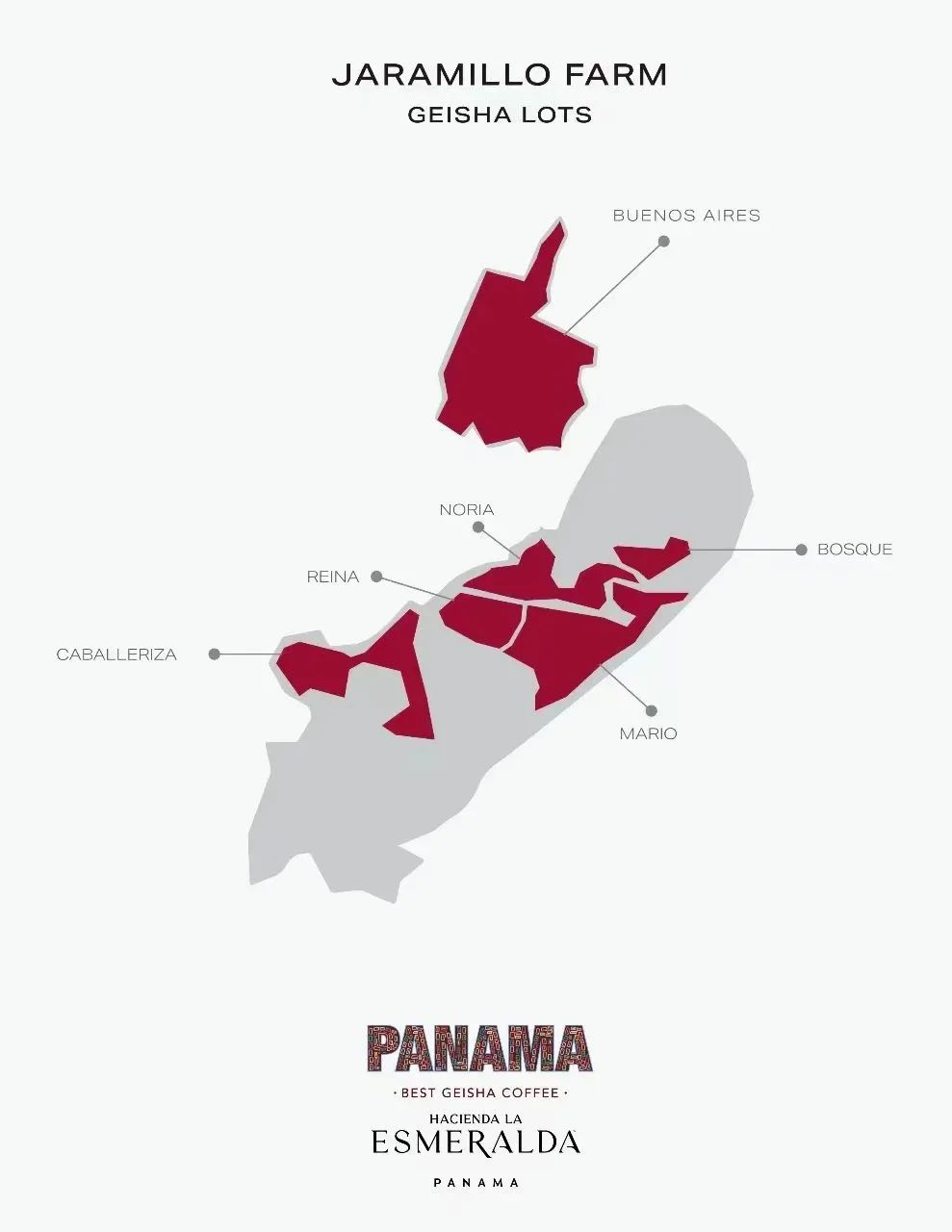
The altitude of Finca El Velo rises from 1650 meters, with an average annual rainfall of 4000 mm and day-night temperature differences ranging from 16-25°C (day) and 11-16°C (night). This area has 50.25 hectares of coffee cultivation, of which 37.9 hectares are planted with Geisha, further divided into 7 subplots: Guabo, Portón, Durazno, Mural, Higo, Buena Vista, and Guila. In addition, the lowest-altitude Palmira farm mainly grows Catuai, covering approximately 30 hectares, and serves as the administrative and green coffee processing center for Finca La Esmeralda.
The Geisha beans from Finca La Esmeralda are mainly divided into two grades: Red Label (Esmeralda Special) and Green Label (Private Collection). The Red Label represents the highest-quality Geisha aside from auction lots, grown at altitudes between 1600-1800 meters, and must achieve a cupping score of 91 or above. Each batch of Red Label beans comes with complete production traceability information, including plot, altitude, temperature difference, latitude and longitude, tree age, harvest time, processing method, and yield, offering a high level of transparency.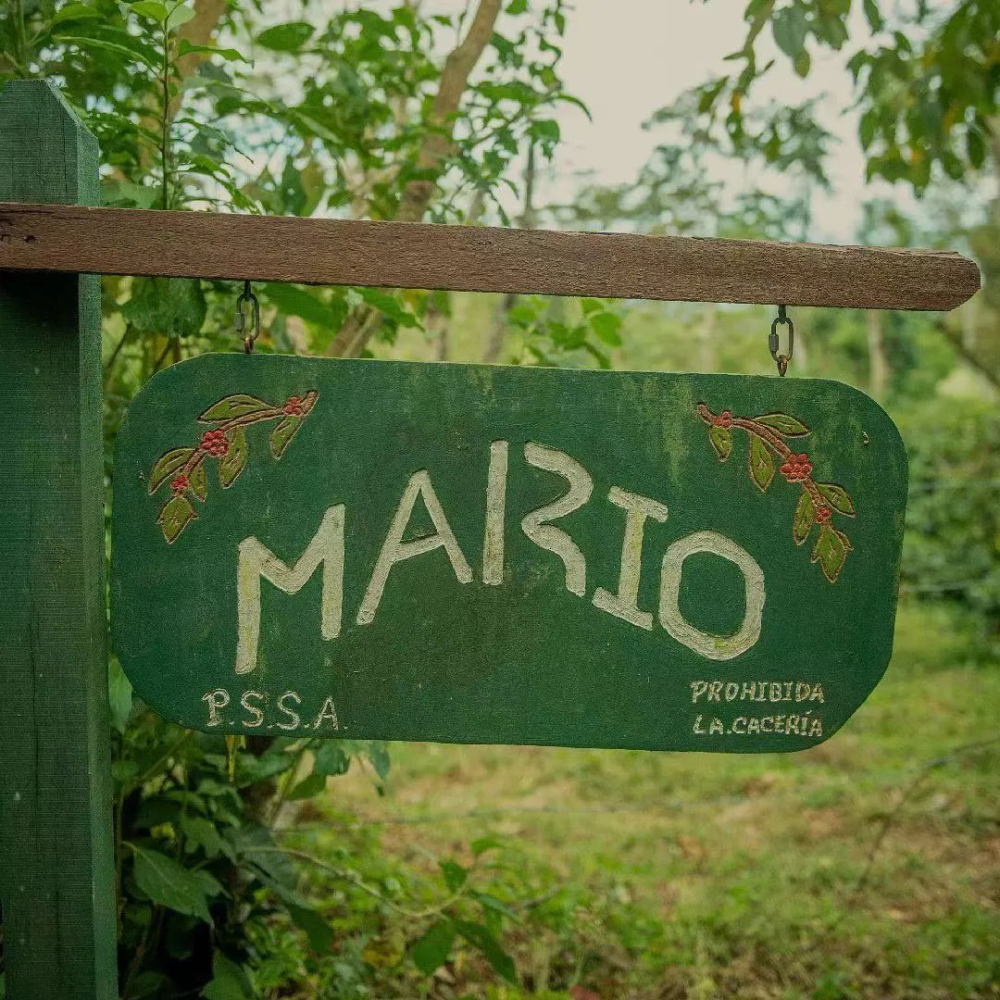
For example, a recent batch of Red Label Geisha circulating in the market comes from the Trapiche subplot in Canas Verdes, grown at an altitude of over 1600 meters, with a total plot area of 4.5 hectares. It was harvested in mid-February, during the 7th harvest, and processed using the natural (sun-dried) method. These beans underwent 25 days of slow sun-drying, showcasing complex aromas of jasmine, cranberry, passion fruit, citrus, and cinnamon.
The Green Label (Private Collection) consists of non-auction Geisha blends that are still of excellent quality, primarily sourced from various subplots in Jaramillo, Canas Verdes, and El Velo, all at altitudes between 1600-1800 meters. Starting in 2022, Green Label batches began indicating primary origins, allowing consumers to anticipate flavor profiles based on plot differences. Generally, Green Label Geisha from Jaramillo exhibits pronounced jasmine and rose aromas; those from Canas Verdes are known for their tropical fruit character; while Green Label beans from El Velo often display traits of lemongrass and fresh floral notes.
For coffee enthusiasts who enjoy pour over, here is a practical recommendation for brewing a Red Label Geisha: use a V60 dripper, control the water temperature at 92°C, use about 15 grams of coffee grounds, and aim for a 1:16 coffee-to-water ratio. The grind size should be roughly that of granulated sugar (you can achieve about 80% extraction through a #20 sieve). Fold the filter paper in advance, wet it with water to fit the dripper, discard the pre-wet water, then add the coffee grounds and gently tap to level. The first pour is 30 grams of water for a 30-second bloom, followed by pouring up to 125 grams. When the water level drops halfway, continue pouring to a total of 240 grams, with the total brew time being around 2 minutes.
The brewed Red Label Geisha delivers a cup characterized by bright jasmine, citrus, and tropical fruit flavors. As the cup cools, layers of complexity emerge, with the finish offering an elegant tea-like sensation. The overall mouthfeel is smooth, with a long-lasting aftertaste.
The above content is compiled by CoffeeHunters, a coffee news website.


