








Introduction:Want to dive deeper into the differences among top-tier Geisha coffee beans? This article will take you on a detailed comparison between Panama’s Hacienda Esmeralda Red Label and Gesha Village Gold Label — two premium Geisha coffees — from variety origins, terroir, to pour over flavors. Whether you’re new to Geisha or aiming to precisely select high-quality beans that match your taste, you’ll find practical tasting advice and purchasing guidance here.
Geisha coffee has long been a leader in the specialty coffee world, but many coffee enthusiasts often feel confused about the origin, differences, and characteristics of two commonly seen “Label”-grade products: the Hacienda Esmeralda Red Label and Gesha Village Gold Label. This article will provide a comprehensive analysis of the key differences between these two premium Geishas, covering variety background, growing conditions, and actual pour over flavor performance, helping you choose your ideal cup more accurately.

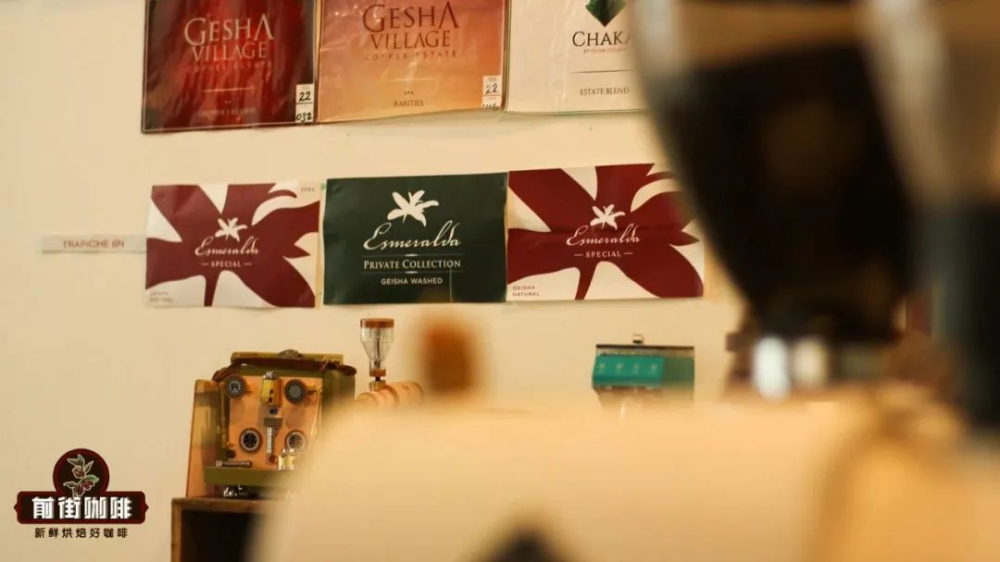
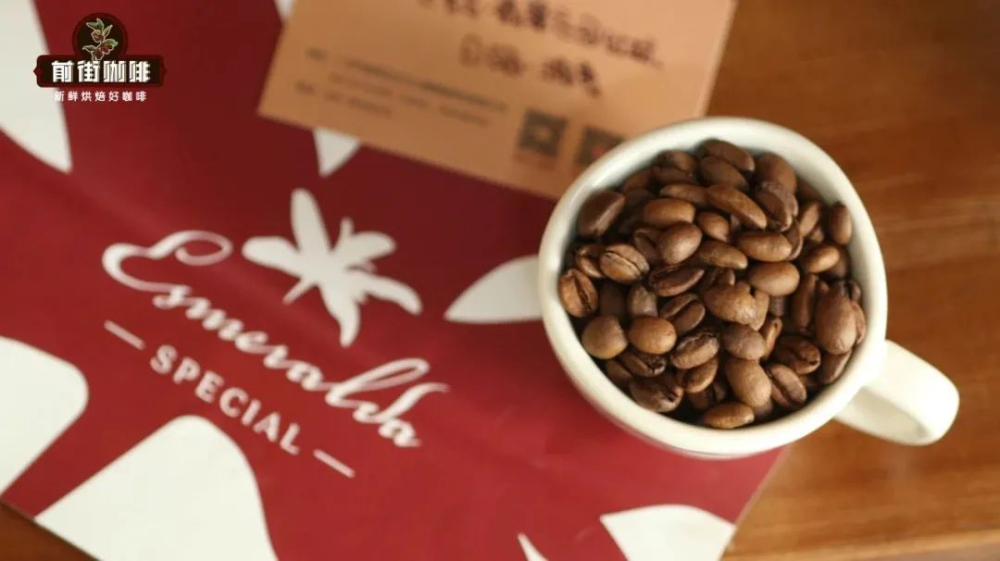
When you walk into a café and see “Red Label” and “Gold Label” Geisha written on the chalkboard, these are actually grading names designed for consumer convenience. The Red Label Geisha from Hacienda Esmeralda is officially named “Esmeralda Special,” also commonly referred to in Chinese as “Hacienda Esmeralda Special Selection.” It is the highest grade of Geisha offered by the estate, requiring a cupping score of 91 or above, with each batch accompanied by detailed information on the producing region and processing methods. The “Red” in Red Label actually comes from the base color of the packaging trademark, making it easier for consumers to identify. Similarly, Green Label and Blue Label follow this naming logic, differing only in grade and price.
As for the Gold Label Geisha from Gesha Village, its English name is “Rarities,” meaning “rare treasures,” representing the estate’s high-end grade Geisha (excluding auction lots), accounting for about 10% of total production. The name Gold Label also comes from the background color of the trademark, and each batch can be traced back to specific planted plots to ensure flavor consistency and origin transparency. It’s worth noting that this “Label” grading method is mainly popular in the Chinese market; if you switch back to the original English names, it’s hard to directly determine their grade level from the name alone.
Additionally, since both estates offer Red Label and Green Label grades, consumers can easily get confused when selecting. It’s recommended to always confirm which estate and grade the “Label” belongs to when ordering or purchasing, to avoid misunderstandings.
Although both are called Geisha, their varieties are actually “distant relatives” from different lineages. It is generally believed that the origin of Geisha can be traced back to the 1930s, when it was first discovered in the Gesha region of southern Ethiopia, later collected and cataloged by CATIE (Centro Agronómico Tropical de Investigación y Enseñanza) as the “T2722” variety. In 2004, this bean made a sensational debut at the BOP (Best of Panama) competition, marking a significant turning point in the history of specialty coffee.
As for the Gold Label from Gesha Village, its variety name is “Gesha 1931,” the result of a breeding program led by one of the judges, Willem Boot. This variety was selected by Gesha Village founder Adam after repeatedly screening beans in Ethiopia’s Gesha region, referencing the characteristics of Panamanian Geisha. It was named for its flavor profile being close to that of Hacienda Esmeralda’s Geisha, but whether it is genetically the same lineage remains unconfirmed to this day.
The difference in origin contributes to the significant variations in flavor expression between these two Geishas. Hacienda Esmeralda is located in the Boquete region of Chiriquí Province, Panama, which boasts high altitude, fertile volcanic soil, and a unique microclimate — providing an ideal growing environment for the T2722 variety. This allows it to exhibit rich floral notes, honey-like sweetness, and delicate nutty undertones. Many coffee experts believe that the geographical conditions of the Boquete region are key to Panama’s continued production of exceptional Geisha.
In contrast, Gesha Village is situated in the Bench Maji Zone in southwestern Ethiopia, bordering South Sudan and surrounded by dense jungles, with altitudes generally exceeding 1900 meters. The large diurnal temperature variation brought by the high altitude allows the coffee cherries to ripen slowly, accumulating richer flavor compounds and forming a unique sense of place.
In terms of processing methods, both of these premium Geishas use the natural (sun-dried) process to enhance their fruity and floral profiles. One brand (note: for illustrative purposes only, no brand endorsement is involved in this article) opts for a medium-light roast during roasting to fully showcase its bright acidity and layered aromas. For actual tasting, it’s recommended to use a V60 filter with a three-pour method, a brew ratio of around 1:15, and water temperature controlled at 92°C to better unlock its potential.
In terms of actual pour over flavor performance, the Gold Label Geisha’s coffee grounds emit a distinct citrus aroma, especially the refreshing scent of orange peel, which is particularly impressive; whereas the Red Label Geisha features rose, dried fruit, and apricot sweetness as the main profile, complemented by hints of nuts and toffee, giving it an overall flavor direction that is sweeter and smoother.
In terms of flavor profile, the Gold Label presents layers of blueberry, cherry, honeydew, and magnolia, with a bright and clean acidity, and a finish that has a slight lingering bitterness reminiscent of young green tangerine; the Red Label leads with tropical fruit aromas, and upon closer tasting, reveals a complex blend of jasmine, cranberry, dried mango, and fruit candy, with a rounded and lingering aftertaste. Its overall flavor complexity surpasses the other, leaving a deep impression.
In summary, if you prefer a bright, refreshing, and fruit-forward flavor, the Gesha Village Gold Label is an excellent choice; whereas if you favor a balance of rich layers and mellow sweetness, the Hacienda Esmeralda Red Label may suit your palate better. No matter which one you choose, you’ll be able to deeply appreciate the unique charm of Geisha as the pinnacle of specialty coffee.
The above content is compiled by CoffeeHunters, a coffee news website.


