








Introduction:Geisha coffee is renowned for its distinctive floral flavor profile, but how can pour over techniques fully bring out its jasmine, citrus, and green tea notes? This article explores the genetic background and growing environment of the coffee variety to analyze the origin of its floral aromas, and uses an actual pour over brewing process as an example to detail the interplay between coffee-to-water ratio, water temperature, pouring technique, and extraction time. It helps coffee enthusiasts master the key to achieving clear floral notes, benefiting both beginners and advanced brewers alike.
Among the many flavors in coffee, floral notes are relatively rare and captivating, and not every coffee bean can exhibit such characteristics. To deeply appreciate jasmine, citrus, or green tea-like fruitiness in coffee, one must understand the flavor formation mechanisms behind them, as well as how to extract them properly through correct pour over methods. This article takes the famous Geisha variety from the Boquete region as an example, guiding you to explore the sources of floral notes from genetic and environmental factors, and sharing practical extraction parameters and steps so that you too can brew a Geisha coffee with clear and distinct flavors.

The allure of floral notes lies precisely in their strong connection to emotions and memories, which can easily evoke resonance. In the world of coffee, such flavors are equally desirable, yet compared to sweet-bitter or nutty profiles, they are more elusive and difficult to present. As a result, many coffee lovers often face the dilemma of “It’s supposed to be a floral bean, so why can’t I taste any floral notes?” during tasting or brewing.
The answer is actually closely related to the genetic makeup and growing conditions of the coffee beans themselves. If the beans do not contain key flavor compounds such as terpenes—which are primarily responsible for floral notes—no amount of adjustment in brewing technique can conjure them out of thin air. Therefore, selecting the right beans is the first step toward experiencing floral notes in coffee.
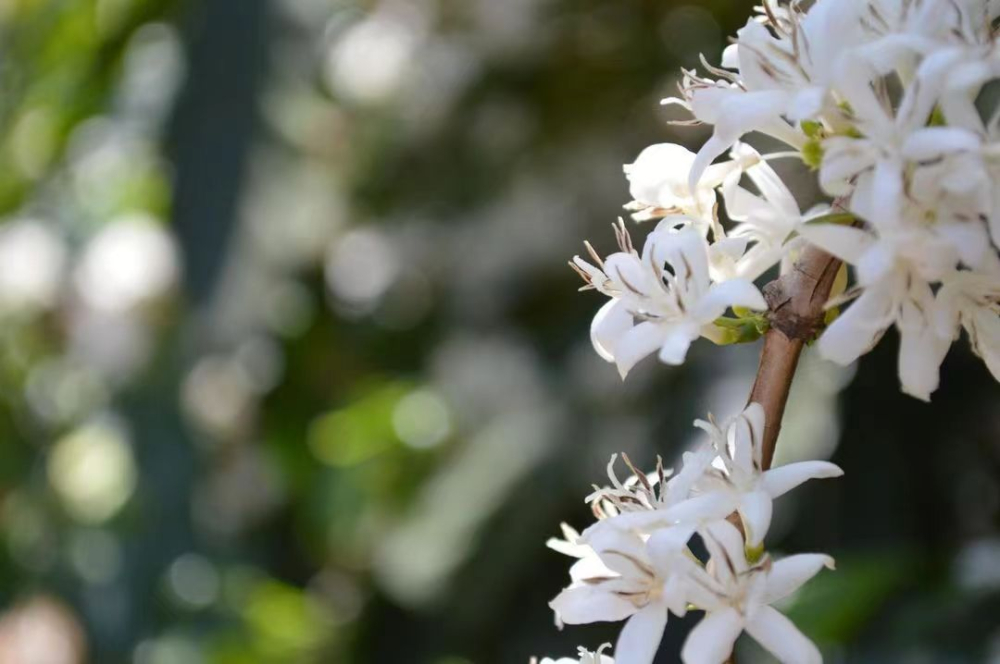
Geisha is a classic variety rich in terpenes. Originally from Ethiopia, it has particularly outstanding floral expression when grown in the high-altitude Boquete region of Panama, thanks to the favorable climate and soil conditions there. In addition, regions such as Yirgacheffe are also known for producing coffee with pronounced floral characteristics. If you wish to try a Geisha with distinct floral qualities, it is recommended to prioritize green or red label Geisha from the Boquete region of Panama.
If you enjoy not only floral notes but also rich fruity sweetness, you might want to look for beans from Costa Rica known for honey processing methods. Such processes often highlight more floral and fruity characteristics—for example, common varieties like Strawberry Candy, Blackberry, or Mozart offer distinctly layered flavor profiles.
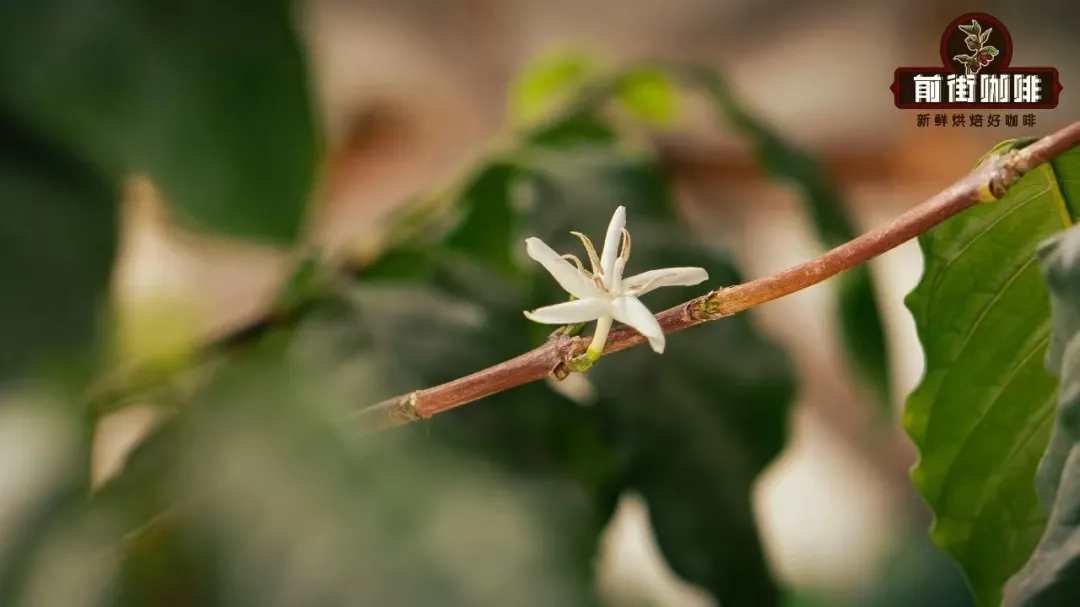
However, even if the beans have floral potential, their final expression is still greatly influenced by post-harvest processing and roasting methods. Microbial fermentation alters the internal composition of the beans, while light to medium roasting tends to preserve more floral and fruity aromas; conversely, overly dark roasting can mask delicate floral notes, shifting the coffee’s flavor profile toward caramel or chocolate tones. Therefore, choosing an appropriate roast level and processing method is also a crucial step in unlocking floral aromas.
To successfully brew out the floral notes in coffee, it’s essential to understand the properties of these flavor molecules. The substances that make up floral notes are mostly large-molecule, low-polarity components, meaning they do not dissolve as quickly as small-molecule flavors (such as acidity or sweetness). For example, just like the difference in dissolution speed between granulated sugar and rock sugar, floral flavors require a longer contact time with the coffee grounds to be fully released.
In addition, the perception threshold for floral notes is relatively high, and those without much tasting experience may find them hard to detect. Therefore, during brewing, you can moderately increase the coffee concentration to make the flavors more intense, which aids in identifying the subtle floral notes. Of course, if you prefer a lighter taste, sticking to the standard coffee-to-water ratio is fine—you don’t need to aim for an overly concentrated brew.
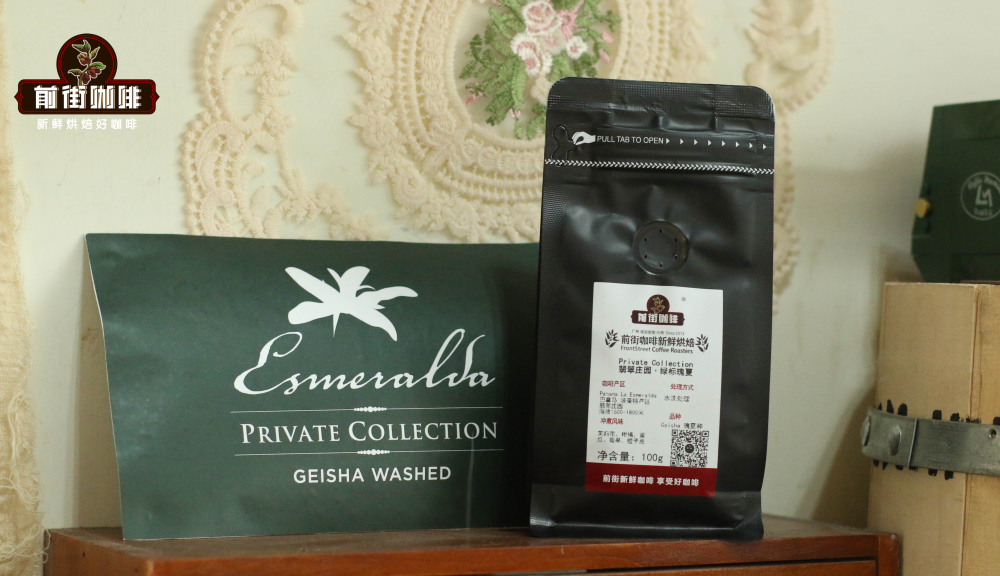
Below is an actual pour over example. This time, we’re using Emerald Green Label Geisha from the Boquete region, which exhibits rich floral characteristics and is ideal for experiencing a full brewing process. A V60 filter is used, with a grind size of 10 on the Ek43 grinder—equivalent to 80% sieve retention on a #20 sieve, fine like granulated sugar. The coffee dose is set at 16 grams, with a coffee-to-water ratio of 1:14. Water temperature is controlled at 92°C, and total extraction time is approximately 2 minutes and 11 seconds.
First is the blooming stage: pour 30 milliliters of hot water and let it sit for 30 seconds to allow the coffee grounds to fully degas and awaken.
After blooming, continue pouring 100 milliliters of hot water. It is recommended to use a small stream of water and circle widely to ensure even saturation of the coffee bed. When the coffee liquid is about to drain and the bed is nearly exposed, proceed to the third pour: add 50 milliliters, switch to a small stream, and focus on the center of the coffee bed, using small circular movements for extraction.
Finally, when the coffee liquid drains again, pour the remaining 45 milliliters of hot water using a fixed-point pour without stirring. Since the overall extraction time is already sufficient, additional stirring may disrupt the flavor balance. Simply let the coffee liquid slowly drip through to complete the extraction.

After brewing, gently swirl the server to mix coffee liquids of varying concentrations. At this point, you’ll be able to smell a fresh and delicate white floral aroma. Upon sipping, you’ll notice distinct jasmine floral notes, citrus acidity, and a green tea-like freshness, with a sweet finish featuring notes of honeydew and orange peel. The overall profile is clean and has a long-lasting aftertaste—a very classic representation of the Geisha flavor.
The above content is compiled by CoffeeHunters, a coffee news website.


