







Introduction:Nayuki Tea reported a projected net loss of over 400 million yuan in the first half of 2024. Faced with weak market demand and cost pressures, the brand is adjusting its strategy, including closing underperforming stores and seeking international expansion. This article delves into how its premium positioning has become a development hurdle, and explores whether the brand can return to growth through strategic adjustments.
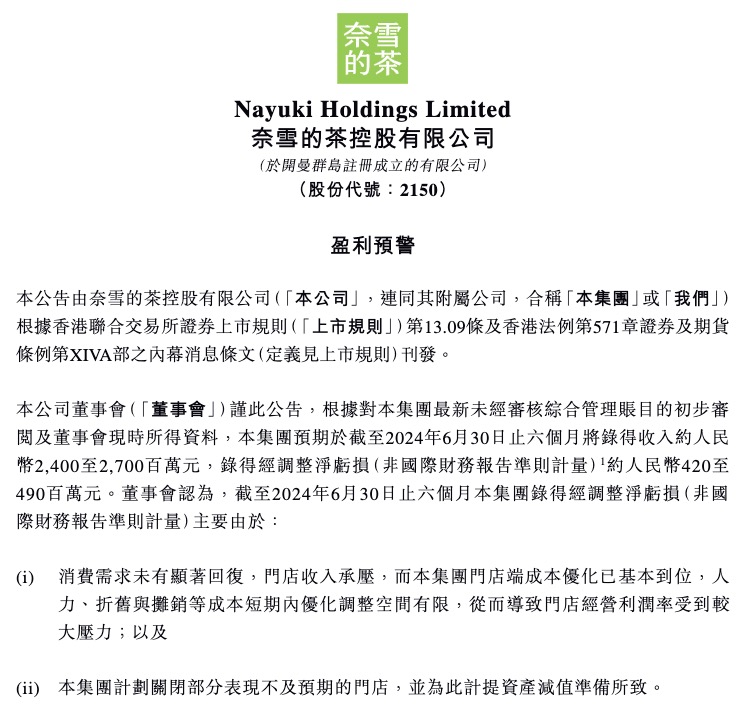
Nayuki recently issued a profit warning for the first half of 2024, projecting revenue between 2.4 billion and 2.7 billion yuan, with an adjusted net loss as high as 420 to 490 million yuan. These figures indicate that the brand is facing unprecedented operational pressure. The main reasons include overall weak consumer demand, declining store revenue, and limited room for optimizing the cost structure—particularly in labor, ingredient waste, and marketing expenses, where adjustments have hit a bottleneck.
Nayuki noted that current consumer spending trends are conservative, with 9-yuan (approx. $1.30 USD) milk tea becoming the mainstream choice, making it difficult for the originally premium-positioned brand to compete on price. Against this backdrop, Nayuki has decided to close a number of underperforming stores, including its first flagship store at The Peak Galleria in Hong Kong, which had already ceased operations, as well as multiple outlets of its sub-brand, TaiGai, aiming to reduce losses by streamlining its store network.
However, the challenges Nayuki faces are not only external but also stem from its own business strategy. According to the latest data, the brand achieved zero net growth in directly operated stores in the second quarter of 2024—opening 48 while closing 48. Even after nearly a year of implementing the franchise model, the number of franchise stores remains below 300. As of the end of June, Nayuki’s total store count (including franchises) was just 1,894, with a net increase of only 320 in the first half of the year, averaging about 53 new stores per month—far lower than the expansion pace of its competitors.
This expansion pace is directly linked to Nayuki’s early insistence on a premium brand positioning. Initially, the brand set very high thresholds for franchisees: an initial investment of over one million yuan, with store sizes ranging from 90 to 170 square meters. Even after later lowering the requirements, the minimum investment for franchise stores remains as high as 580,000 yuan, with a minimum store size of 40 square meters—significantly higher than those of most market competitors, limiting the brand’s penetration in second-tier and lower-tier cities.
Meanwhile, despite revenue pressures, Nayuki has attempted to stimulate sales through a price reduction strategy. According to financial reports, its average order value has dropped from 34.3 yuan in 2022 to 29.6 yuan in 2023. The price cuts did indeed boost sales of some products in the short term and helped the brand achieve profitability in 2023, but they also raised market concerns. The company’s stock price fell noticeably after the earnings report, signaling investor skepticism about the sustainability of this strategy.
A more serious issue is that price reductions are often accompanied by compromises in product quality. To control costs, Nayuki has had to make concessions in ingredient selection and production processes, thereby affecting the consumer experience. Many customers have noted a significant decline in the frequency of new product launches, especially a slow update rate for signature fruit tea products, greatly reducing the brand’s appeal. In addition, the previously well-received freshly made soft European-style bread has been discontinued and replaced with pre-made bread, but both quality and size have been criticized by consumers. Some netizens have remarked that “the pre-made bread keeps getting smaller and losing flavor,” and even believe that the decision to remove soft European bread has indirectly impacted the overall performance of tea beverage sales.
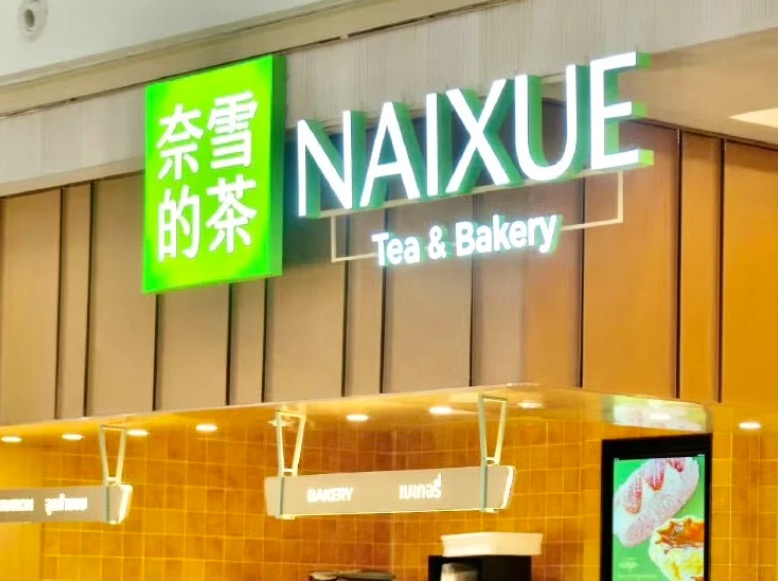
While struggling in the domestic market, Nayuki has also begun to explore overseas markets in search of new growth opportunities. In 2024, the brand opened its first flagship store in Bangkok’s CentralWorld mall in Thailand, which reportedly has had relatively stable operations. However, many industry insiders remain cautious, believing that overseas expansion alone is unlikely to fundamentally solve issues of brand aging and low operational efficiency. Without fundamental adjustments to the brand strategy and product structure, long-term development will still face significant challenges.
The above content is compiled by CoffeeHunters, a coffee news website.


