








Introduction:Starbucks launched three regional limited-edition Frappuccinos at Shanghai’s "Road Life Festival", among which the "Qin-Jin Persimmon Frappuccino" sparked heated discussions due to its playful name and innovative flavor, with many consumers also expressing concern about potential indigestion from combining persimmons with dairy. This article delves into the actual recipe of the drink, explores the scientific taboos between persimmons and milk, and explains how Starbucks’ use of oat milk helps avoid such risks—so you can enjoy your drink with both clarity and peace of mind.
This summer’s beverage scene has seen no shortage of creative combinations. At Shanghai’s "Road Life Festival", Starbucks introduced three limited-edition Frappuccinos that blend local flavors, namely the "Qin-Jin Persimmon Frappuccino", the "Yan-Zhao Chestnut Red Bean Latte", and the "Eight Min Yuzu Tieguanyin Tea Latte". Among them, the Frappuccino inspired by Shaanxi’s specialty fruit—the "fire crystal persimmon"—quickly became a hot topic on social platforms thanks to its catchy name and sweet taste, even trending after some netizens misread it as the "Mars Persimmon Frappuccino".
According to customer sharing, the inspiration for these three Frappuccinos comes from the local insights of 6,000 Starbucks partners across China, with each one showcasing unique regional charm. The "Yan-Zhao Chestnut Red Bean Latte" offers a rich interplay of candied chestnuts and red beans, with distinct layers; the "Eight Min Yuzu Tieguanyin Tea Latte" cleverly merges the fresh citrus aroma of two types of yuzu with the taste of Tieguanyin tea, leaving a slightly bitter yet sweet aftertaste; while the most eye-catching "Qin-Jin Persimmon Frappuccino" is based on Shaanxi’s fire crystal persimmons, paired with smooth whipped cream and sweet honey shortbread, bursting with juice in the mouth—sweet but not greasy—making it hard to stop at just one sip.

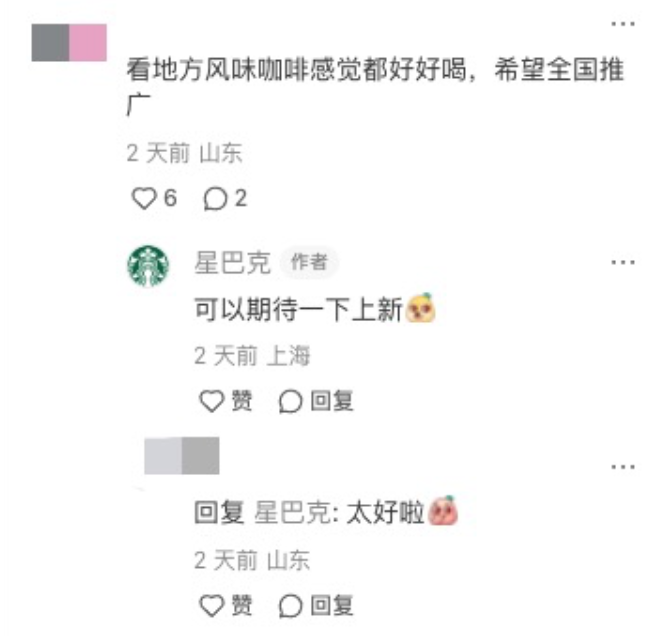
However, amid the joyful tasting experience, many netizens have raised concerns about the safety of combining "persimmons and milk". A Shanghai netizen commented on Starbucks’ official social media, saying that although these three new drinks were only available in limited quantities at the "Road Life Festival", just trying them was an amazing experience—even a local employee revealed, "Our store hasn’t even received the ingredients yet, and you’ve already had it!" demonstrating their popularity. Nevertheless, many netizens from other regions have called for these creative drinks to be made available in stores nationwide in the future.
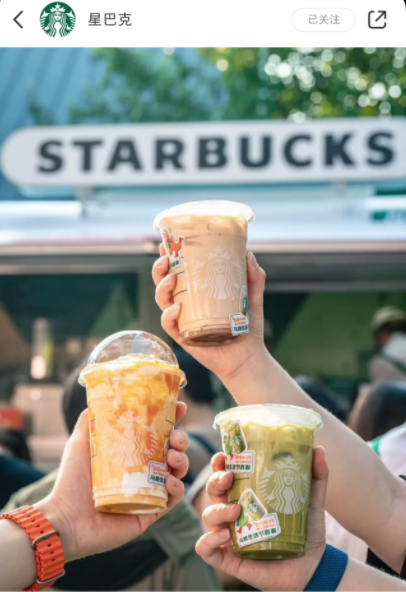
Among them, the discussion around the "Qin-Jin Persimmon Frappuccino" has been the most intense. Many netizens joked that when they first saw the drink’s name, they thought it said "Mars Persimmon", a post that garnered 264 likes, with replies such as "I misread it too", and "You have to look closely to see it’s ‘fire crystal’." Beyond the amusing name confusion, many consumers have also wondered whether eating persimmons with dairy could cause indigestion—especially since a bubble tea shop once launched a persimmon milk cap that had to urgently change its recipe due to public backlash.
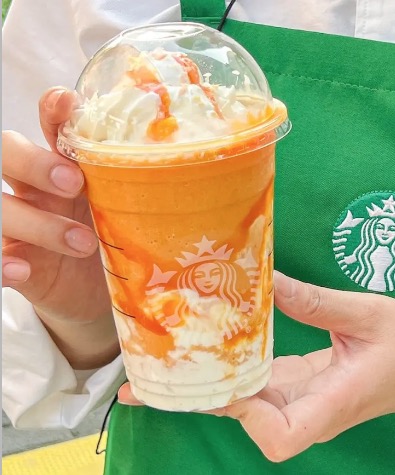
Checking Starbucks’ official ordering information reveals that the "Qin-Jin Persimmon Frappuccino" mainly uses locally abundant fire crystal persimmons from Shaanxi, topped with soft whipped cream and sweet honey shortbread to complement the fruit’s natural sweetness. However, according to industry insiders, the "milk" component used in this drink is actually not traditional cow’s milk, but oat milk. Oat milk, being low in fat, lactose-free, and suitable for those who are lactose intolerant, has become a common dairy alternative for many brands when developing desserts and beverages to avoid digestive issues caused by dairy products.
So, can persimmons and milk really not be eaten together? According to Dr. Huang Shijing, director physician at China Academy of Chinese Medical Sciences Guang’anmen Hospital, persimmons contain relatively high levels of tannic acid and acidic substances, while milk is rich in protein and calcium. When tannic acid meets protein, it can easily form indigestible precipitates in the stomach, potentially leading to stomach discomfort, bloating, or even symptoms such as abdominal pain or diarrhea. Therefore, consuming persimmons and milk together does indeed pose certain health risks.
Notably, Starbucks’ Frappuccino does not use milk but substitutes it with oat milk, thereby avoiding the potential issues associated with the traditional "persimmon + milk" combination. For consumers concerned about digestion, this adjustment is undoubtedly safer. In fact, not only Starbucks, but brands like Luckin and HEYTEA have also launched persimmon-flavored drinks, most of which opt for plant-based milk as the base to reduce consumer concerns.
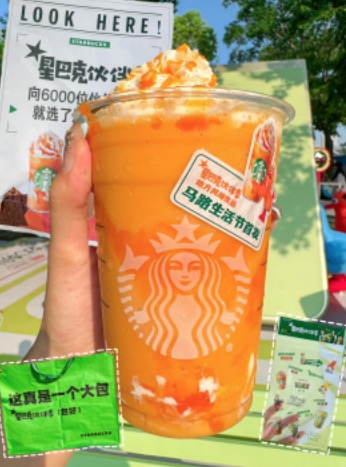
In summary, while the "Qin-Jin Persimmon Frappuccino" highlights creative regional flavors, its ingredient selection has been carefully considered—with oat milk replacing cow’s milk to showcase the sweetness of the persimmon without raising concerns about indigestion. It is recommended that when trying various innovative drinks, consumers also pay attention to the type of milk base used, understand their own dietary needs, and thus enjoy the deliciousness while also taking health into account.
The above content is compiled by CoffeeHunters, a coffee news website.


