







Introduction:This food safety case, published by the Supreme People's Court, reveals the alarming risks behind weight-loss coffee sold online. A consumer suffered health issues after purchasing an illegal coffee-based weight-loss product, and the court ultimately ruled that the seller must refund the purchase and pay ten times the compensation. This article delves into the details of the case, breaks down the dangers of sibutramine, and offers practical advice on identifying authentic coffee products to help readers pursue healthy weight loss while avoiding pitfalls.
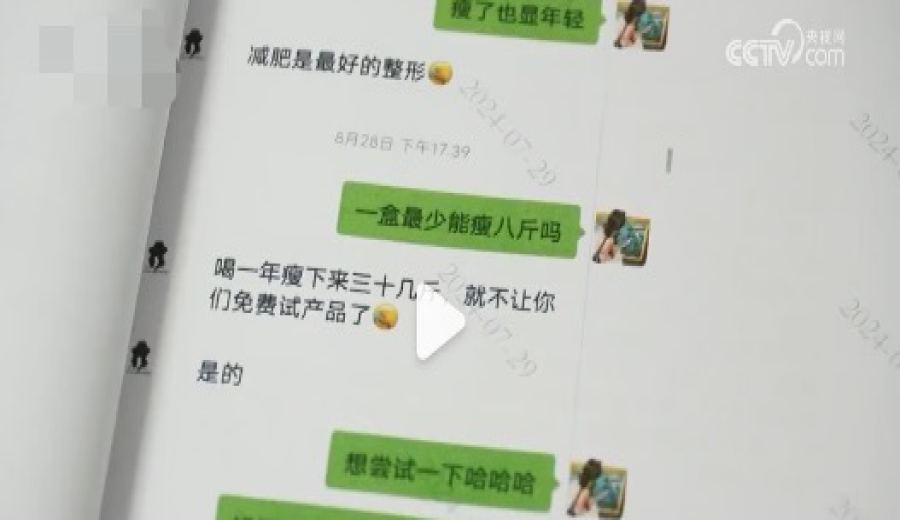
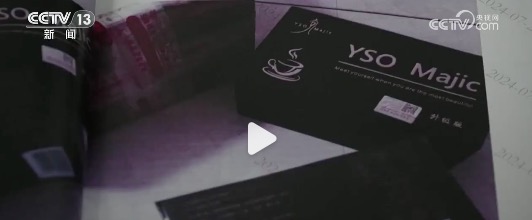
Recently, the Supreme People's Court published a widely watched case involving punitive damages for food safety violations, once again putting the topic of “coffee for weight loss” in the spotlight. In August 2023, consumer Cui purchased a batch of coffee products claiming to have weight-loss effects through the WeChat platform for approximately NT$12,000 (equivalent to RMB 2,960). However, shortly after consumption, Cui began experiencing noticeable discomfort such as excessive thirst and dizziness. Upon further investigation, Cui was shocked to discover that the manufacturer listed on the product packaging had its production license revoked as early as November 2019, and was therefore not authorized to produce any food products. This revelation led Cui to suspect that the products were likely counterfeit or substandard.
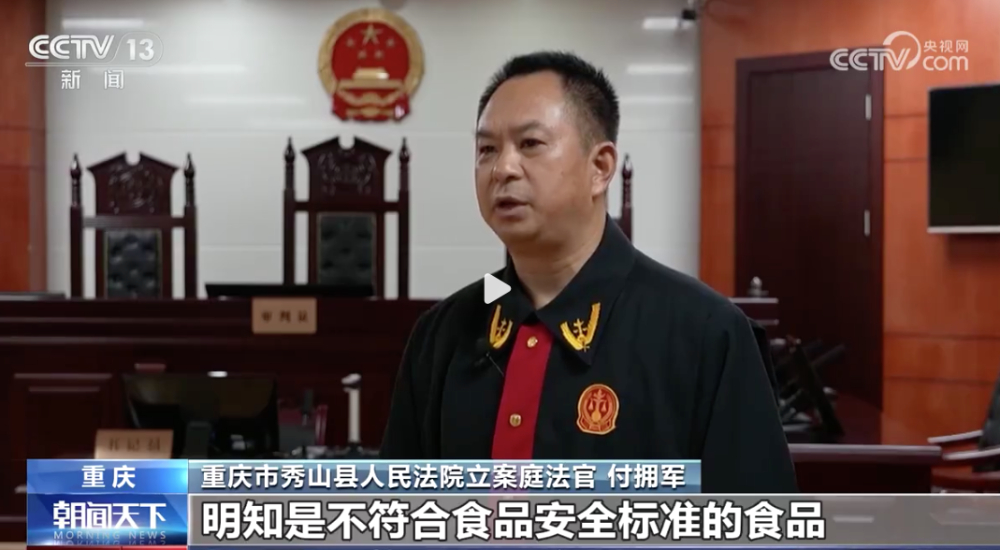
Faced with this situation, Cui decided to take legal action to protect his rights. He submitted evidence including chat records with the seller, payment receipts, courier information for the products, and official notices confirming the revocation of the manufacturer’s production license to the court. The Xiushan County People's Court in Chongqing, after review, clearly stated that the products sold by seller Yang clearly did not meet food safety standards, and that Yang continued selling them despite knowing there were issues—thus bearing legal responsibility. The court ultimately ruled that Yang must fully refund Cui the purchase amount of RMB 2,960, and additionally pay ten times the compensation, totaling RMB 29,600, bringing the total amount to RMB 32,560.

The basis for the trial of this case mainly comes from the explicit regulations of the Food Safety Law of the People's Republic of China. This law strictly prohibits the production and sale of food and food additives with false production dates, shelf life dates, or those that have exceeded their shelf life. The coffee products involved not only bore false manufacturer names, but also had production dates that were seriously inconsistent with the facts, and the seller could not provide any legitimate proof of sourcing, clearly falling under the category of selling food known to be non-compliant with food safety standards.
According to Article 148, Paragraph 2 of the Food Safety Law of the People's Republic of China: “If a producer produces food that does not meet food safety standards, or a business operator knowingly sells such food, the consumer may, in addition to claiming compensation for losses, demand from the producer or operator compensation equal to ten times the price paid or three times the losses incurred; if the increased compensation is less than one thousand yuan, it shall be one thousand yuan.” For this reason, the court upheld Cui’s request for a refund and tenfold compensation, safeguarding the consumer’s legal rights.
At the same time, discussions about “coffee for weight loss” on various social platforms show a polarized trend. Under the popular hashtag #DoesCoffeeReallyHelpWithWeightLoss#, there are over 30,000 comments and shared experiences from netizens. Among them, many individuals focused on weight loss share their experiences of improving metabolism and suppressing appetite by drinking specific types of coffee during their dieting process, thereby achieving better slimming results. These posts not only recommend different coffee varieties, but also detail recommended timing and pairing suggestions, attracting significant attention—with some posts receiving up to 18,000 likes, 10,000 bookmarks, and 280 replies.
However, many netizens have also issued warnings on community platforms, urging the public to be cautious about various “weight-loss coffee” products on the market. One netizen detailed her near-miss experience: she saw a friend recommend a so-called “miracle coffee” on social media that claimed “no dieting, no food restrictions, lose two kilograms in one day.” Out of curiosity and anticipation, she immediately placed an order. But just one day after trying it, her body exhibited a series of alarming reactions—including palpitations, cold sweats, general weakness, loss of appetite, and severe insomnia. Suspecting the product might contain banned substances, she purchased a rapid sibutramine test kit herself, which yielded a positive result, leaving her terrified.
Sibutramine (chemical name: N-(1-(1-(4-chlorophenyl)cyclobutyl)-3-methylbutyl)-N,N-dimethylamine, molecular formula: C17H26ClN), was once used as a weight-loss drug. However, because it significantly increases the risk of serious cardiovascular and cerebrovascular diseases, this substance has been strictly prohibited by regulatory authorities in multiple countries. As early as 2010, China’s National Medical Products Administration officially announced a complete halt to the production, sale, and use of sibutramine preparations and raw materials within the country, and required all manufacturers to recall and destroy any products already on the market.
The publication of this case quickly sparked heated discussion online. Many netizens praised the court’s fair ruling, believing it effectively cracked down on counterfeit and substandard products on the market and protected consumers’ legitimate rights. At the same time, some voices strongly called for harsher penalties for the sale of fake and inferior goods—arguing that only by ensuring consumer rights are not violated can the market truly develop in a healthy and orderly manner. In addition, many rational netizens reminded everyone that weight loss should be based on science; blindly pursuing rapid slimming not only yields limited results, but may also cause irreversible harm to the body.

Here, we also remind all consumers that when selecting coffee products—especially those claiming special formulations for weight loss—it is essential to remain highly vigilant, carefully verify the product’s origin, production information, and ingredient labeling, to avoid inadvertently compromising your own health.
The above content is compiled by CoffeeHunters, a coffee news website.


