







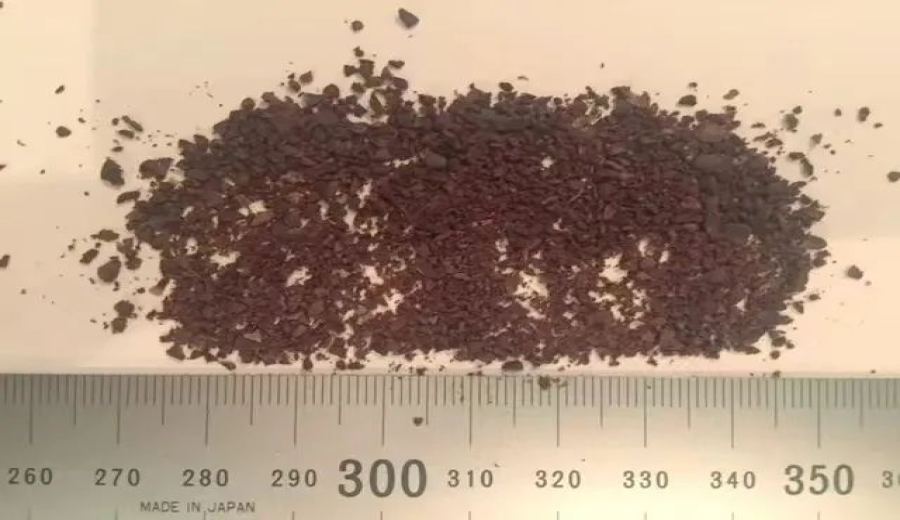
Introduction:When brewing pour over coffee, an excessive amount of fine coffee particles often leads to filter paper clogging, flavor imbalance, or even makes the entire cup taste harsh, bitter, and astringent. Understanding the causes of fines and the operational characteristics of different grinder burr types—such as flat burrs, conical burrs, and flat-plate burrs (ghost teeth)—can effectively improve extraction quality. This article will delve into the pros and cons of these three major burr types, offering practical solutions such as sifting and adjustment techniques to help you brew a more balanced and smooth cup of coffee more consistently.
During the pour over process, it is actually normal to produce a certain proportion of fine particles, and an appropriate amount of fines can even enhance the complexity of flavors. However, when there is an excess of fines, it can easily lead to various issues, such as filter clogging, slow water flow, and overly harsh or astringent mouthfeel. Therefore, being able to identify and manage excessive fines is a fundamental skill every pour over enthusiast should master.
What exactly are fines? Generally speaking, coffee particles with a diameter smaller than 0.25mm can be classified as fines. These powdery particles feel similar to flour, and when present in large amounts, they can make the coffee bed appear muddy. In contrast, coffee particles within the ideal extraction range typically have a diameter of about 0.6 to 0.8mm, which are the particles we aim to extract.
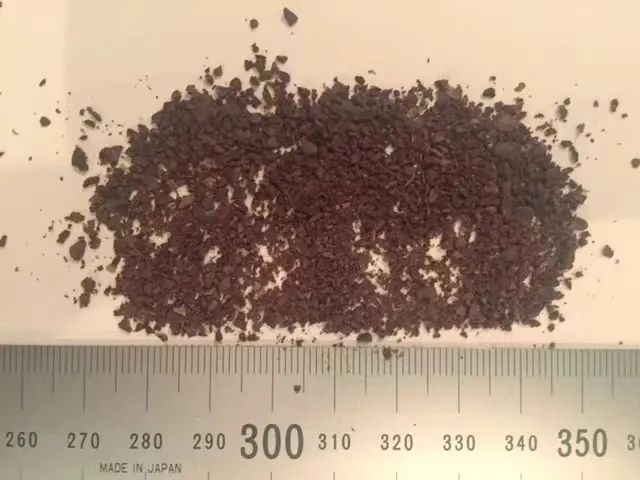
The production of fines stems from the operating principles of grinder burrs. Regardless of price, all grinders are unable to achieve 100% uniformity when grinding coffee beans. The burrs first compress and fracture the beans, then proceed to cut them. This “fracturing” stage naturally produces some fines. The amount of fines generated is closely related to the design type and size of the burrs.
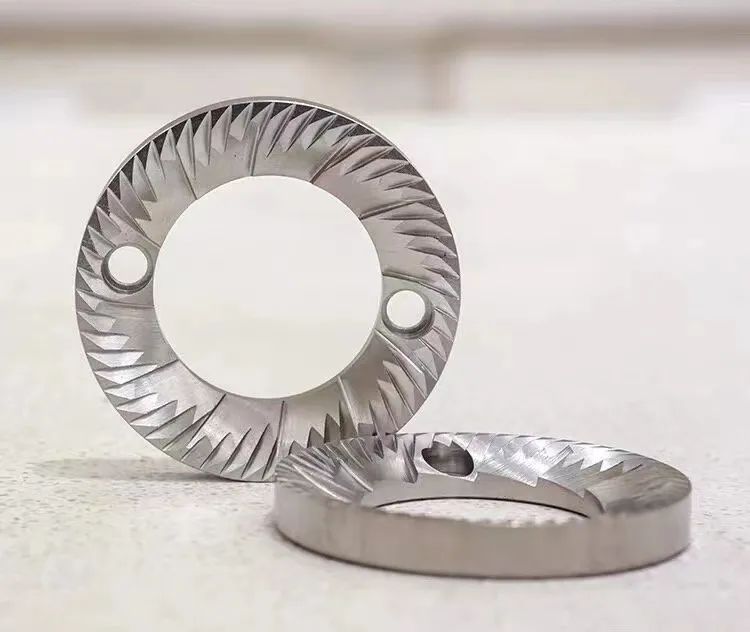
Let’s start with the flat burr system. Flat burrs consist of two parallel burrs of the same size, which work by cutting coffee beans in a shearing-like motion. These burrs exert less compression, producing coffee particles that are more flat and flaky in shape, with a relatively lower proportion of fines. This helps release coffee compounds more fully, which is why flat burrs are widely used in many high-end professional grinders.The advantage of flat burrs lies in their stable extraction and good fines control, making them suitable for users who prioritize flavor purity.
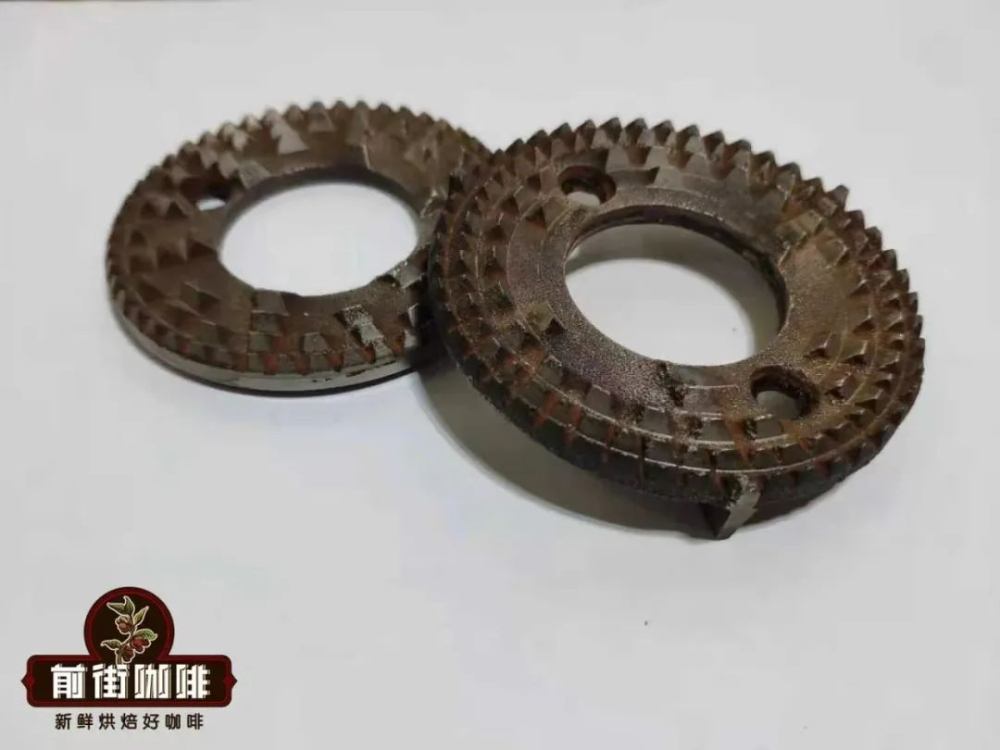
Next is the ghost tooth burr (also known as flat-plate burr). Although this design also consists of two burrs of the same size, the surface is not made of sharp blades but is covered with tooth-like protrusions. While this structure can produce more uniformly shaped coffee particles, the cutting process inevitably generates more “by-products,” i.e., fines. Coffee ground with ghost tooth burrs often has a richer flavor complexity, but the higher proportion of fines also increases the risk of extraction issues.If you prefer complex flavors but can tolerate a higher level of fines, ghost tooth burrs are worth trying.
Finally, the most common system on the market is the conical burr system. Conical burrs consist of an inner and an outer burr, and their operation involves first crushing the coffee beans into larger chunks and then gradually refining them into irregular polyhedrons. This type of burr is widely used in home and hand-crank grinders. However, because it relies on crushing for grinding, it tends to produce a large number of fines, with significant variations in particle size. If using a small-sized hand-crank conical burr, its uniformity is usually even poorer, which can lead to a muddy coffee bed, slow water flow, and may even affect overall extraction performance.Conical burrs are suitable for users with limited budgets or those who are just starting out, but extra attention should be paid to controlling fines.
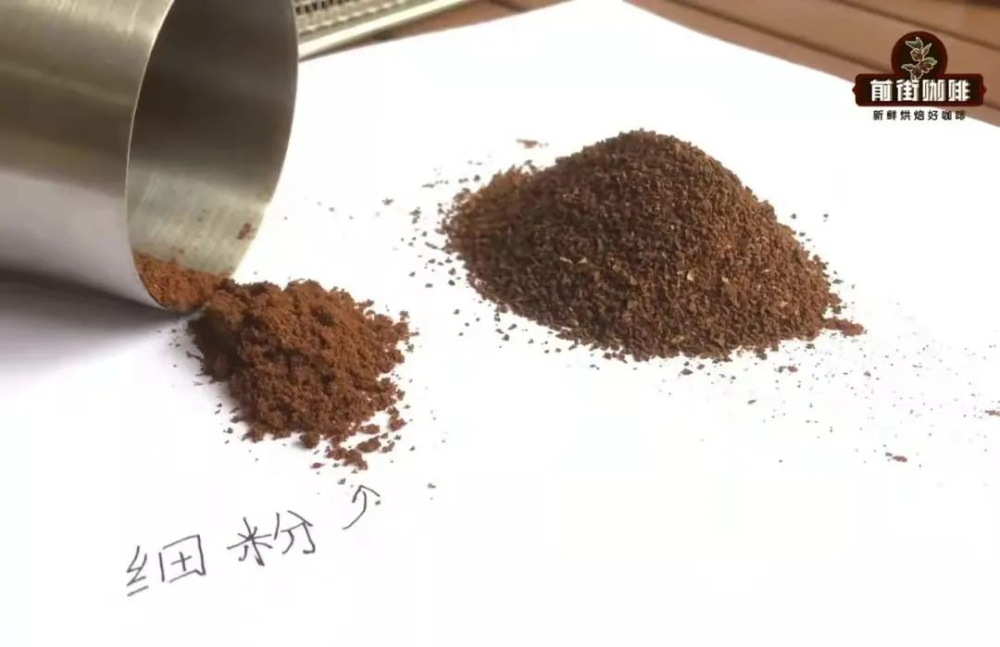
There are several practical methods to deal with excessive fines. The most direct approach is to use a fine particle sieve. Commercial products usually cost only a few dozen yuan, and the operation is very simple: pour the ground coffee into the sieve and gently shake it. The fines will be automatically filtered out, leaving behind more uniform main particles for brewing. This can effectively avoid uneven extraction and flavor interference caused by fines.
If you don’t want to purchase additional tools, you can also adjust your brewing technique to improve the situation. When you notice that the coffee bed appears muddy—but the affected area does not exceed 50%—and the water flow is noticeably slow or even blocked, it is recommended to switch to an immersion brewing method. The specific steps are: after the bloom, switch to pouring water in small, centered circles in one go, using a larger stream of water to lift the coffee bed and raise the water level, allowing the coffee particles to naturally adhere to the walls of the filter. This reduces the thickness of the coffee bed. Avoid vigorous stirring to prevent excessive release of fines. Instead, adopt a brewing mode that combines immersion and drip filtration, which helps balance flavors and reduce bitterness.This method is especially suitable for brewing situations where the coffee bed condition is suboptimal but you still want to salvage the cup.
Another common scenario is when the coffee bed contains both muddy areas and visibly coarse particles. This is typically a typical result from lower-quality hand-crank grinders—lots of fines and also coarse particles. Such a coffee bed not only leads to slow water flow, but the coffee may also taste weak while having an unusually prominent bitterness. In such cases, it is recommended to first adjust the grinder to a finer setting to reduce the gap between coarse and fine particles, then combine this with the previously mentioned immersion or slower pouring techniques to remedy the issue.
It is worth mentioning that some users have reported that after adjusting to a finer grind, the proportion of fines smaller than 0.25mm actually decreased, though this phenomenon currently lacks large-scale data validation and is for reference only. In practice, it is recommended to fine-tune according to your own grinder’s characteristics and extraction results to find the most suitable balance for you.
The above content is compiled by CoffeeHunters, a coffee news website.


