








Introduction:Have you ever wondered why pour over coffee today often features pronounced fruity acidity? From Blue Mountain to Geisha, these top-tier coffee beans exhibit vastly different flavor profiles under varying roast levels. This article delves into the origins of acidity in light roasts, analyzes the evolution of roasting techniques, and compares how classic regional beans perform under light and dark roasts—offering an essential understanding of the key shifts in modern coffee taste preferences.
Step into a well-regarded pour over café and order a single-origin bean, and your first sip may surprise you with its acidity. Once dominated by intense bitterness, coffee flavors have gradually shifted toward bright, crisp fruitiness—a reflection of the industry’s comprehensive transformation over recent decades, from cultivation and roasting to brewing methods. Influenced by regional microclimates, advancements in roasting equipment, and the diversification of consumer palates, multiple factors have intertwined to shape the coffee landscape we know today.

When someone describes a beverage as “blooming floral notes, bright citrus acidity, layered honey sweetness, and a tea-like aftertaste,” they’re likely not talking about tea or juice—but intricately profiling specialty coffee. Defining “what coffee should taste like” has become increasingly challenging, especially in the pour over realm, where acidity has become a key metric for many enthusiasts.
The shift from bitterness-dominated coffee flavors to balanced acidity and sweetness is a natural outcome of industry evolution. Using 2000 as a rough dividing line: before this, dark roasts with intense bitterness reigned supreme; afterward, the focus gradually turned to the clarity of acidity in medium to light roasts. Yet this change wasn’t overnight—it unfolded gradually, driven by optimized growing conditions, innovative roaster philosophies, refined extraction techniques, and shifting consumer preferences.

Looking back at roasting technology, the advent of drum roasters allowed for more even heat application, laying the foundation for modern roasting. Between 1870 and 1920, German manufacturers further refined the process with semi-hot-air drum systems, significantly improving roast consistency. However, the dominant mindset at the time still championed dark roasts—the industry standard was that beans “must reach the second crack to be considered fully roasted.”
Against this backdrop, Blue Mountain coffee stood out thanks to its exceptional terroir and rigorous grading system. Early Jamaican Blue Mountain quality was inconsistent until 1950, when the local Coffee Industry Board was established to unify production and quality control, with additional support from Japanese funding and expertise. Even when dark roasted, Blue Mountain coffee retains a clean, full-bodied profile without charred bitterness—this unique balance, coupled with successful marketing, has made it synonymous with high-quality coffee in many minds.
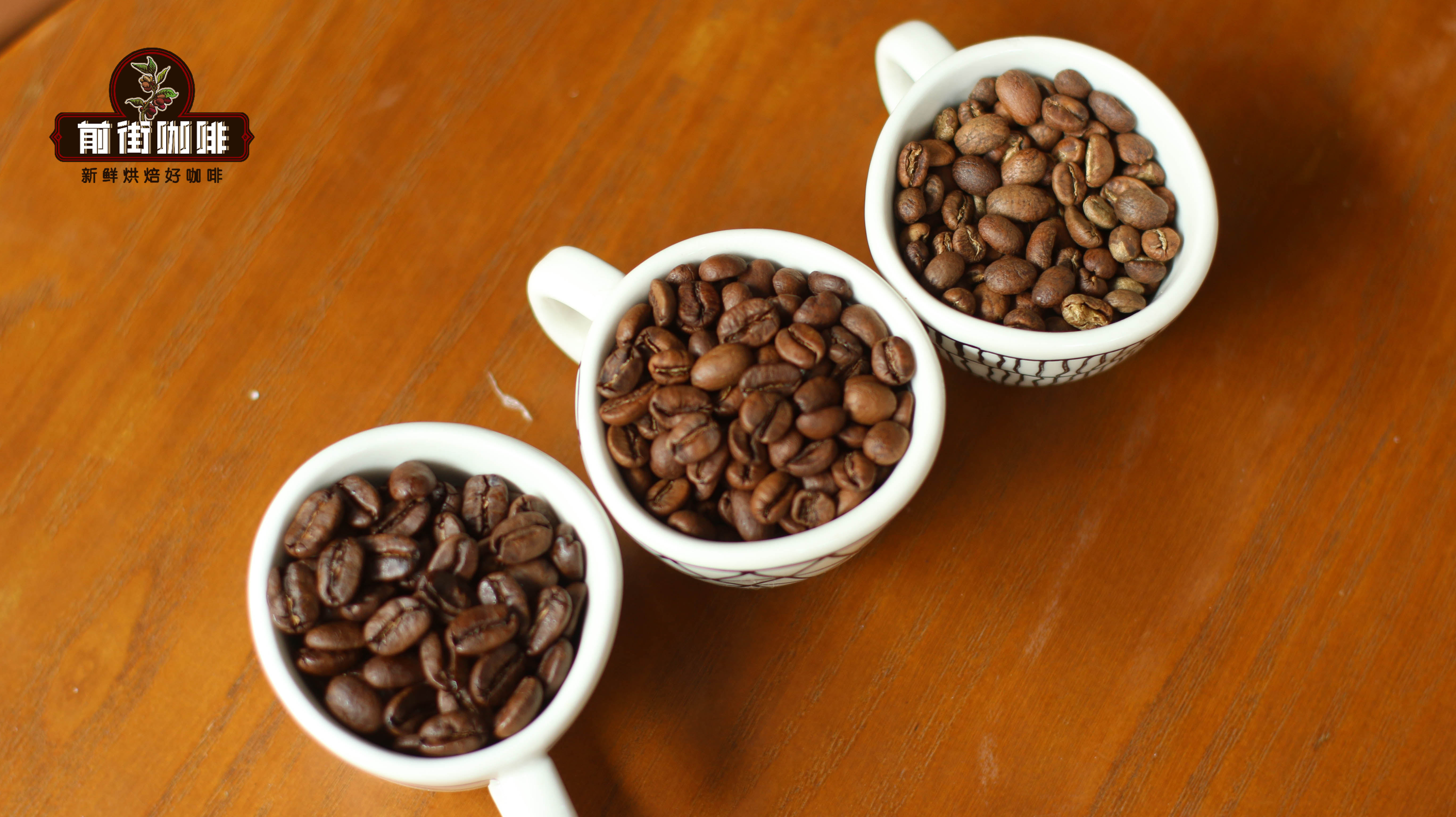
With the rise of specialty coffee, roasters began rethinking their strategies. Around 2000, several prominent U.S. coffee brands pioneered medium to light roast beans, which retained the foundational notes of chocolate and nuts while highlighting vibrant berry acidity and floral nuances—a stark contrast to traditional dark roasts. Nordic roasters took it further, employing high-temperature, fast-roasting techniques to complete the process “within roughly two minutes after the first crack,” giving birth to the ultra-light roast style. Their espresso offerings showcased intense fruity acidity and refreshing brightness.
Between 2000 and 2010, the market saw a coexistence of diverse roasting styles: traditional European dark roasts, American modern medium to light roasts, Nordic ultra-light approaches, and detail-oriented Japanese roasting—all influencing one another and collectively driving innovation in coffee flavor development.
As medium to light roast-focused pour over cafés became more widespread, consumers easily formed the impression that “all specialty coffee leans acidic.” In reality, even within pour over, classic beans like Blue Mountain, Mandheling, and Brazilian varieties—often medium to dark roasted—still maintain loyal followings, offering a richness distinct from the brightness of high-acidity profiles.
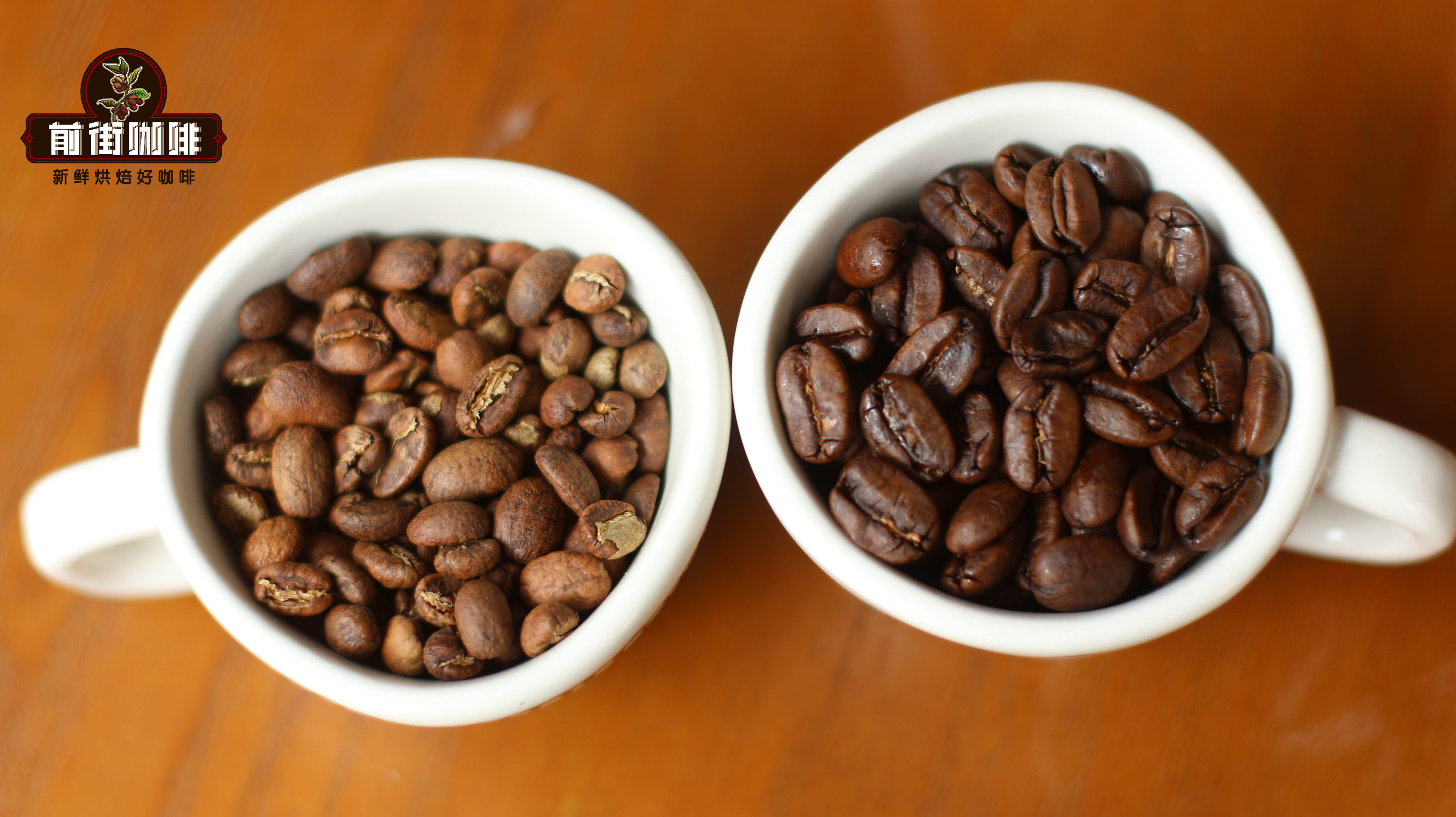
To explore the full spectrum of coffee flavors, try comparing how the same regional beans perform at different roast levels. For instance, a light roast Blue Mountain versus a dark roast Geisha will deliver vastly different sensory experiences, helping you understand how roast degree shapes flavor expression—and guiding you toward your ideal coffee style.
The above content is compiled by CoffeeHunters, a coffee news website.


