







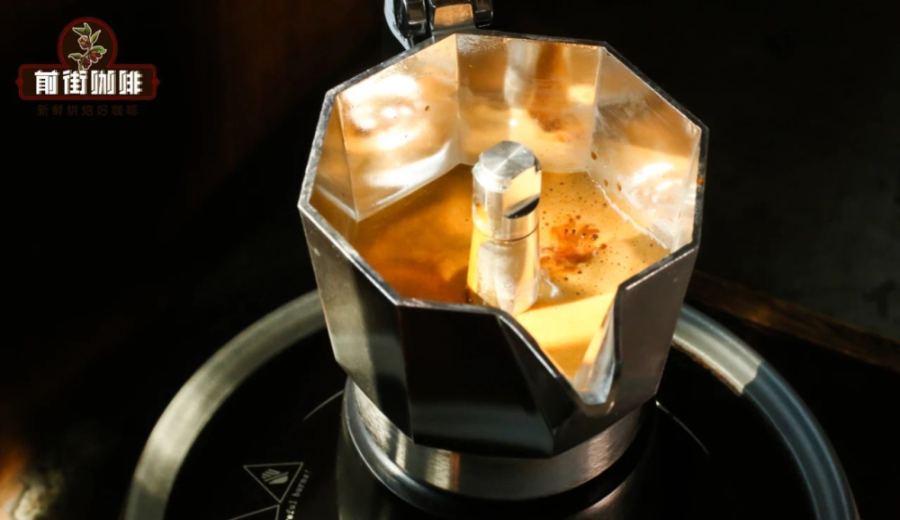
Introduction:Want to understand the differences in concentration and usage scenarios between a moka pot and an espresso machine? This article delves into the working principles of both, guides you through the standard process of using a moka pot—from filling water, grinding beans to extraction—and shares practical cleaning and maintenance tips to help you brew rich black coffee steadily at home.
Many coffee enthusiasts often wonder: which produces stronger coffee, a moka pot or an espresso machine? While both can brew coffee with intense flavors, their operating principles, final concentrations, and suitable scenarios actually vary significantly. Espresso machines can quickly force hot steam through extremely fine coffee grounds under high pressure, extracting a concentrated coffee liquid rich in Crema (coffee foam), making it ideal for preparing milk-based drinks like lattes and cappuccinos. However, such equipment often starts at several thousand yuan, which may be a significant investment for beginners.
In comparison, moka pots are not only more affordable but also much simpler to operate, making them well-suited for home users or novice coffee drinkers. Even if you’re not aiming for professional-grade espresso, you can still easily brew a black coffee with decent strength at home using a moka pot. This article will start from the basic principles of both, offer an in-depth comparison of their differences, and detail the complete standard process of using a moka pot—from adding water, selecting beans, grinding, filling the coffee, to heating and extraction. It will also highlight daily cleaning and maintenance precautions, helping you get started easily and consistently enjoy a high-quality cup of coffee.

Both moka pots and espresso machines can produce coffee with relatively high concentration, but the differences between them should not be underestimated. If you’re seeking espresso with a thick layer of crema on top, a thick mouthfeel, and the ability to serve as the base for milk-based drinks, only a higher-performance espresso machine can meet those needs. Such equipment provides a stable high-pressure extraction environment, ensuring the full retention of coffee crema—though this also means the cost usually starts at several thousand yuan or even higher.
But if you simply want to quickly and conveniently enjoy a good-tasting black coffee at home, a moka pot is a more practical choice. It’s relatively inexpensive and easy to use, making it very suitable for coffee beginners. With just a grasp of basic brewing techniques, you can consistently brew coffee with a certain level of richness.
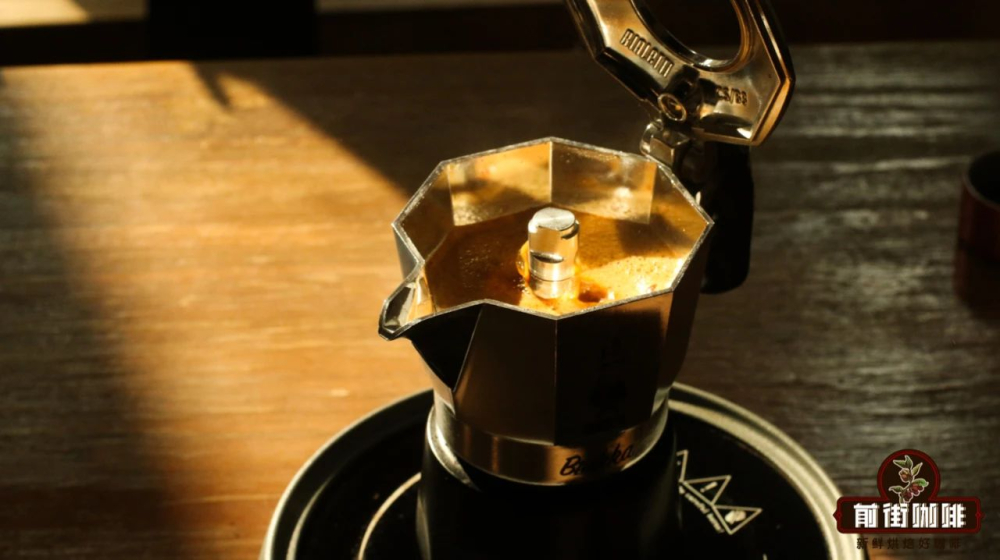
So, how exactly does a moka pot work? Generally, a moka pot consists of three main parts: the upper chamber, the filter basket, and the lower chamber. Taking the common Bialetti three-cup single-valve moka pot as an example, the lower chamber holds the brewing water, the filter basket is where the ground coffee is placed, and the upper chamber collects the final extracted coffee liquid. When we heat the lower chamber, the water inside gradually warms up and generates steam pressure. This pressure pushes the water upward from the bottom, through the middle filter basket. Once the pressure builds up sufficiently, the hot water breaks through the resistance of the coffee grounds and finally flows into the upper chamber, forming a strong cup of coffee.
Compared to a moka pot, the operating mechanism of an espresso machine is much more complex, and the resulting coffee typically has an even higher concentration. Brewing an ideal shot of espresso not only requires specialized espresso machine equipment, but also precise control over extraction time and technique, which usually takes repeated practice to master.
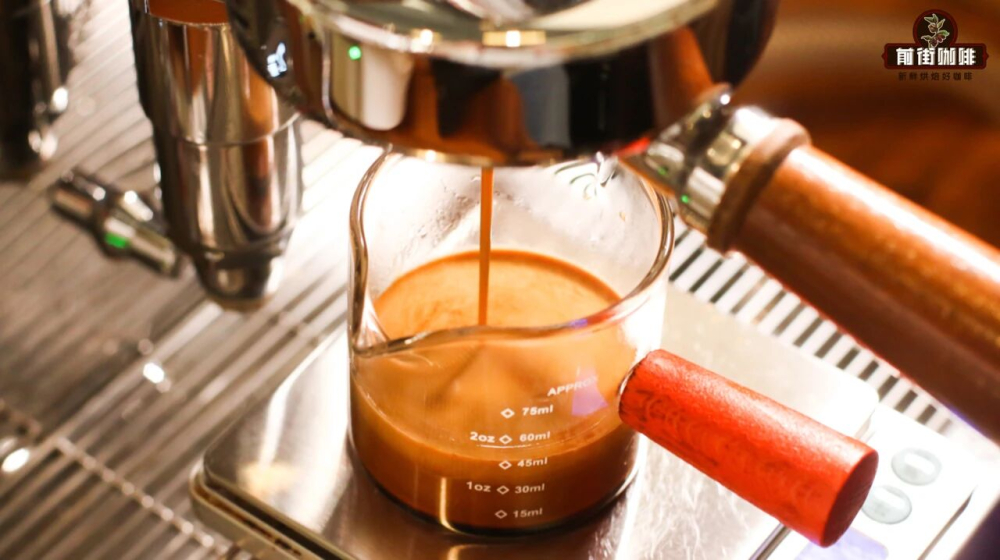
In fact, espresso is not just coffee grounds boiled in water, nor is it re-heated extracted coffee liquid. Traditional espresso is made using a specialized espresso machine, where water heated by a boiler is brought to around 94°C and pushed through extremely finely ground coffee under a high pressure of 9 to 10 bar, extracting a honey-like yellowish-brown coffee liquid. This type of coffee is not only thick but also visually finer than that produced by a moka pot.
At the beginning of extraction, the coffee liquid is usually a deep reddish-brown, smooth in texture and distinctly concentrated. As extraction time lengthens, the color gradually turns golden and may eventually become light golden—this is also one of the key indicators of over-extraction.
Next, let’s dive into how to properly use a moka pot to brew a strong cup of coffee. First, it’s recommended to remove the lower chamber (base) of the moka pot and fill it with an appropriate amount of warm water—not hot or cold water directly. The advantage of using warm water is that it reduces overall extraction time and prevents the coffee grounds from developing overly bitter flavors due to sudden exposure to high temperatures. It’s especially important to ensure the water level stays below the safety valve line. This prevents blockages caused by overly fine coffee grounds, which could lead to excessive pressure and potential danger. If the water level covers the safety valve and the coffee layer is severely blocked, the moka pot risks exploding under high temperature and pressure—so please handle this with caution.
For coffee bean selection, we recommend using medium-dark roasted specialty coffee beans, such as the washed Huila beans from Colombia. These beans have good body and moderate crema expression, delivering rich flavor layers whether enjoyed straight or with milk in a latte. In terms of grind size, the coffee grounds for a moka pot should be between pour over and espresso. If the grind is too coarse, it may lead to under-extraction, resulting in thin flavors and possible splattering; if it’s too fine, it may cause over-extraction, leading to obvious burnt bitterness and negatively affecting the overall taste. It’s generally recommended to adjust the grind setting to around a 3 on an EK-43s grinder for optimal extraction.
Evenly pour the ground coffee into the filter basket, gently level and fill it, then smooth the surface with your fingers before placing it into the lower chamber. There’s no need to tamp the coffee grounds forcefully, as doing so may impede water flow, leading to uneven extraction or disrupting the normal process. In addition, insufficient coffee grounds may prevent the water in the lower chamber from being fully extracted under steam pressure, causing violent splattering from the upper chamber.
Once the filter basket is filled, tightly screw the upper and lower chambers together, then place the moka pot on a gas stove or induction cooktop to heat. If using an open flame, try to keep the flame contained within the base of the moka pot to avoid localized overheating. As the moka pot begins to warm up and you hear a slight hissing sound, reduce the heat—the coffee liquid and crema will then slowly start to flow. When the coffee in the upper chamber reaches about halfway, you can turn off the heat and move the moka pot to a table using a damp towel, allowing the remaining heat and pressure inside to finish the extraction.
If during heating you hear a whistling sound but no coffee liquid comes out of the upper chamber, it’s likely that the spout is blocked. In this case, immediately turn off the heat to avoid dry burning, which could cause excessive internal pressure and lead to safety issues.
Finally, pour the brewed coffee into a cup and enjoy it directly. The coffee will typically carry rich aromas of dark chocolate, caramel, and creamy notes, along with slight acidity and flavors of roasted nuts. For a more balanced taste, you can add some hot water to adjust the concentration; paired with milk, it can showcase a sweet, creamy chocolate-like flavor.

In addition to brewing techniques, the daily cleaning and maintenance of your moka pot are equally important. After each use, it’s recommended to clean the moka pot immediately to prevent coffee residue buildup, which can lead to odors or accumulated bitterness. Especially for parts like the filter plate, gaskets, and extraction channels—if old coffee stains are left for long periods, they may not only affect coffee flavor but also clog the channels, ultimately impacting subsequent extraction performance.
The above content is compiled by CoffeeHunters, a coffee news website.


