







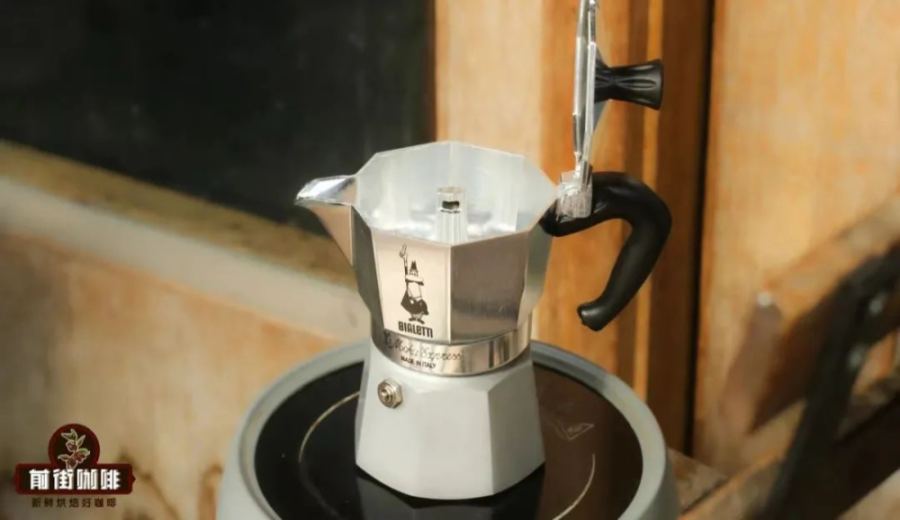
Introduction:The Moka pot is a staple brewing device in the homes of many coffee enthusiasts, capable of producing a strong brew reminiscent of espresso. However, to truly replicate the flavor profile of an espresso shot, aside from correct operation, selecting the right coffee beans is key. This article delves into the extraction principles of the Moka pot, offering practical advice on bean selection—from freshness and roast level to grind size—and analyzing the characteristics of different blend profiles to help you brew your ideal cup.
The reason the Moka pot is called a "stovetop espresso maker" is mainly because it uses steam pressure generated by heating to extract a rich and full-bodied coffee liquid. As long as you use freshly roasted beans and master certain techniques, a delicate layer of coffee crema may even appear on the surface, enhancing aroma and flavor complexity.
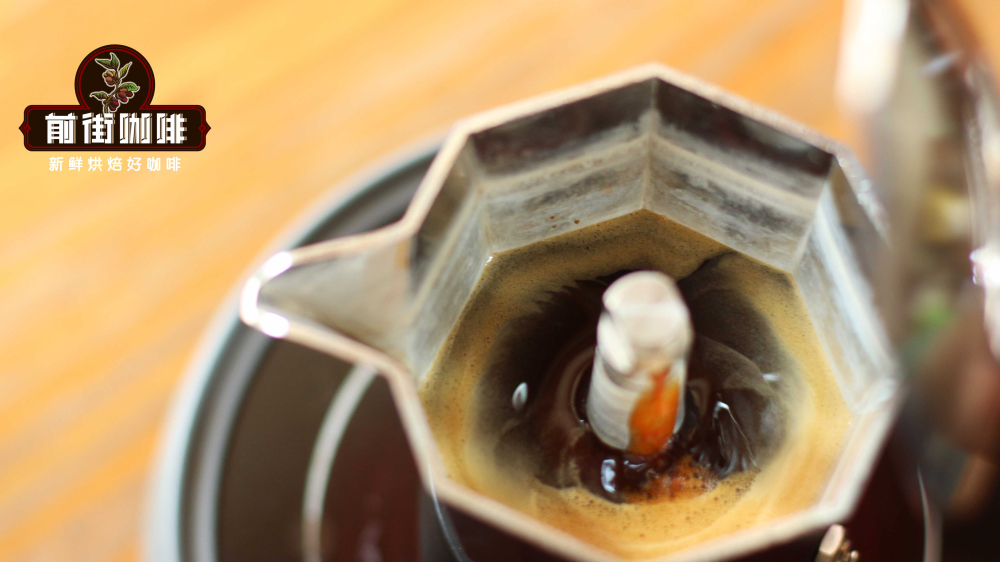
The structure of a Moka pot can be divided into three main parts: the lower chamber holds water, the middle filter basket contains the ground coffee, and the upper chamber collects the brewed coffee. When the Moka pot is placed on a heat source, the water in the lower chamber boils, generating steam pressure that forces hot water up through the central tube, passing through the coffee grounds, and finally dripping into the upper chamber to form a concentrated cup of coffee.
Although the operating principle of the Moka pot is similar to that of an espresso machine—both use pressure to extract—the limitations of the equipment and differences in operation mean that without choosing the right coffee beans, it’s often difficult to achieve the intensity and balance of a standard espresso. To get as close as possible to espresso-like flavors with a Moka pot, three elements are key: the beans must be fresh, a medium to dark roast is recommended, and the grind size should be fine enough.
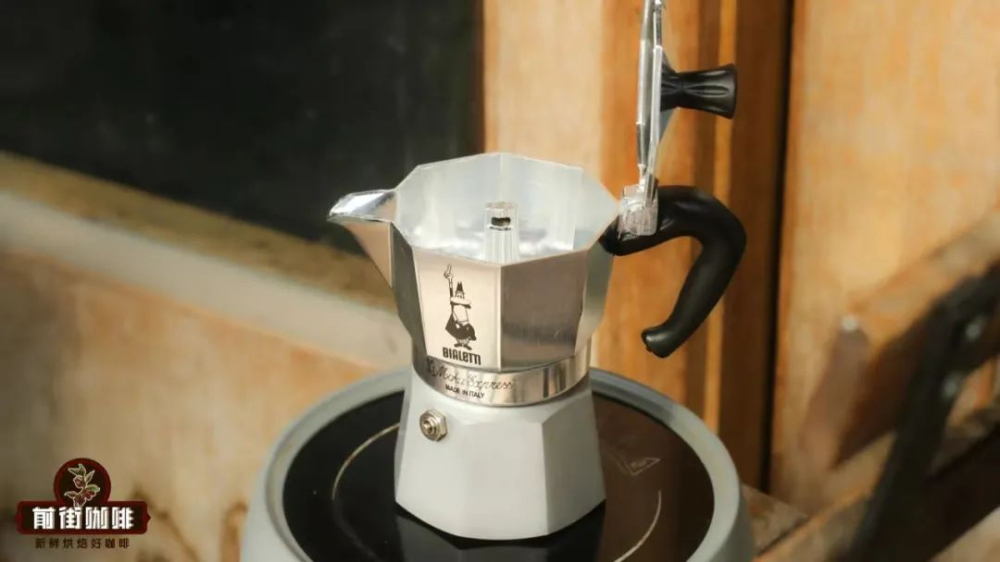
The flavor of coffee beans is closely related to their freshness, especially when brewing pressure-extracted coffee, where freshness becomes even more critical. Generally, the optimal flavor window for coffee beans is within 60 days post-roast, with peak flavor usually concentrated within the first two weeks. To ensure the Moka pot extracts full aroma and complexity, it’s recommended to choose beans roasted within 10 days, in order to fully experience their flavor potential.
Among the many brands and roasters, some suppliers consistently offer freshly roasted products with fast delivery, ensuring the beans remain in good condition upon arrival. When selecting, pay attention to the roast date and try to avoid beans that have been stored for too long, to ensure optimal performance with every brew.
The coffee brewed with a Moka pot has a strong flavor profile, making it suitable for users who prefer a full-bodied cup. To better mimic the characteristics of espresso, it’s advisable to prioritize medium to dark roast blends, which not only offer intense flavors but also handle the high temperature and pressure extraction of the Moka pot better, further enhancing overall performance.
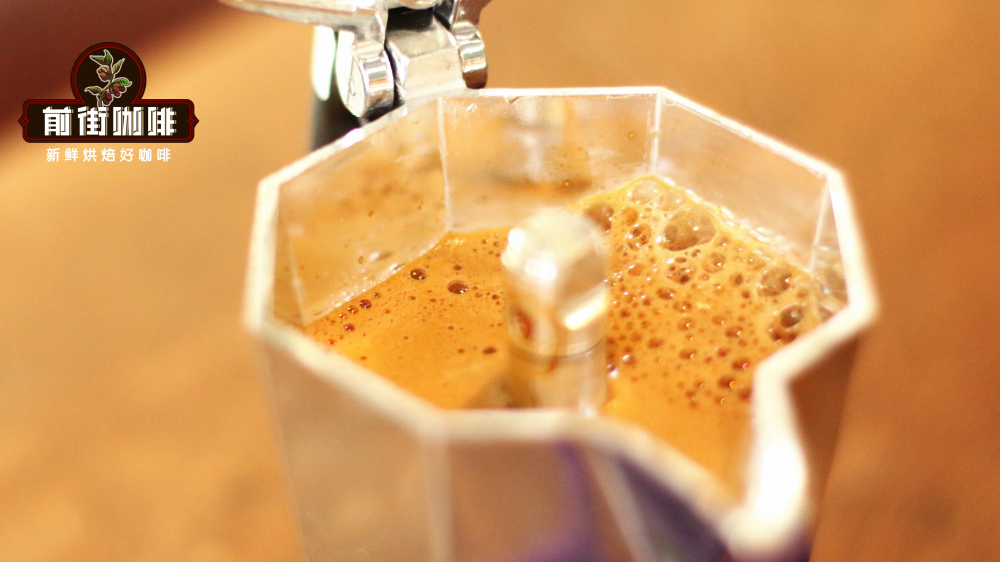
If you hope for your Moka pot brew to have rich crema and to add aroma to milk-based drinks later on, you can choose blends that combine Brazilian, Indonesian, and Vietnamese beans. These combinations typically deliver a bold base and full body, and are more likely to form a fine crema during extraction, making each cup more appealing.
For daily drinkers with a limited budget who still seek balanced flavor, a medium to dark roast all-purpose blend is also a great option. These blends often combine beans from various origins, offering notes of fruit, caramel, and nuts. They are flavorful, stable, and cost-effective—especially suitable for home use or as an entry-level choice for Moka pot enthusiasts.
If you prefer floral and fruity aromas rather than the traditional heavy roast bitterness, consider medium roast fruit-forward blends. These beans often carry refreshing notes such as rose and berries, with balanced acidity and sweetness, making them suitable for coffee lovers who don’t enjoy overly intense flavors. They work well in Moka pots too, showcasing a different flavor dimension.
Finally, for those who enjoy strong, bold flavors and seek intense aroma and a thick mouthfeel, it’s recommended to go for blends focused on high body. These recipes often combine beans from regions like Robusta-growing areas, Colombia, and Brazil, delivering prominent notes of cocoa, nuts, and caramel. Whether making black coffee or milk-based drinks, they produce a rich and full-bodied flavor profile.
The above content is compiled by CoffeeHunters, a coffee news website.


