







Introduction:Want to enjoy coffee but find pour-over too troublesome? Both tea-bag style coffee pods and drip bags offer convenient alternatives, but they differ significantly in brewing methods, extraction principles, and final flavor profiles. This article, based on practical tests, explores the characteristics, operation details, and suitable scenarios of both products through hot and cold brewing methods, helping you make the right choice according to your needs.
Have you ever wondered if coffee could be as simple as tea bags—just drop it in water and you’re done? One coffee enthusiast once asked a certain coffee brand: since drip bags require multiple pours and precise water control, making the process somewhat complicated, wouldn’t using a tea-bag style coffee pod be a simpler and more convenient way to enjoy a cup of black coffee?
To answer this question, we conducted a comprehensive comparative experiment, examining everything from product design and brewing methods to actual flavor performance, to thoroughly explore the differences between tea-bag style coffee pods and drip bags. For the test, we used the same coffee beans—Duncan Estate · Caturra from a certain brand—and brewed them using both hot and cold methods to observe their performance under different extraction styles.
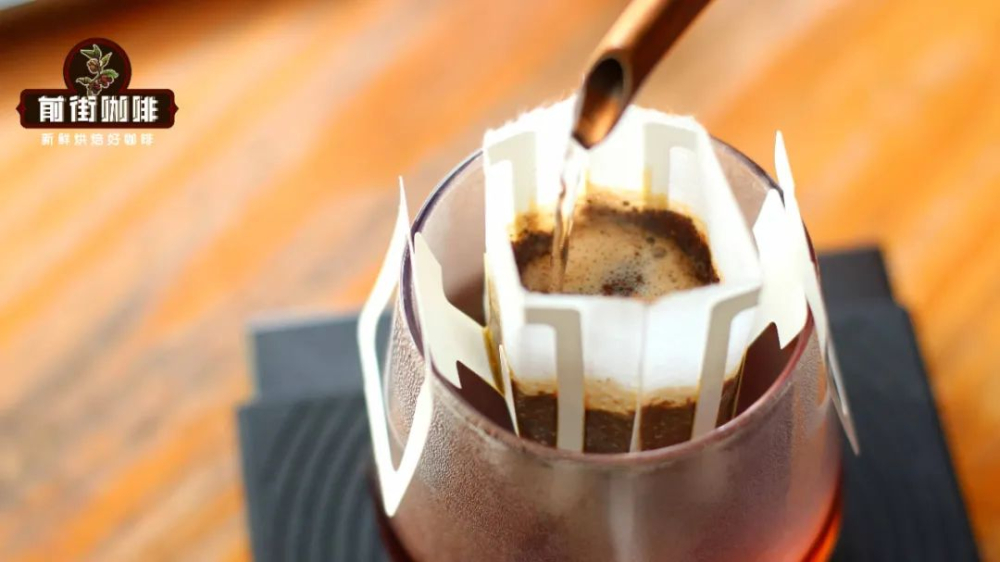
First, let’s get familiar with these two common convenience coffee formats. Drip bags are probably more well-known—they consist of pre-ground medium-to-light roasted coffee packed in a non-woven fabric filter bag. This bag has cardboard “ears” on both sides that can be fixed onto the rim of a cup, suspending the filter bag inside, similar to a simplified version of pour-over. To use, simply pour hot water at an appropriate flow rate and in stages, then wait for the filtrate to drip through, resulting in a bright and clean cup of black coffee.
Drip bags employ drip filtration extraction, so their flavor performance is influenced by various factors, including the characteristics of the coffee beans themselves, grind size (in this test, we used a setting of 9.5 on the EK43s grinder, roughly equivalent to 24 on a C40 hand grinder), coffee-to-water ratio, water temperature control (typically recommended at 90–96°C), and pouring technique. Proper execution can fully highlight the layers and nuances of the coffee.
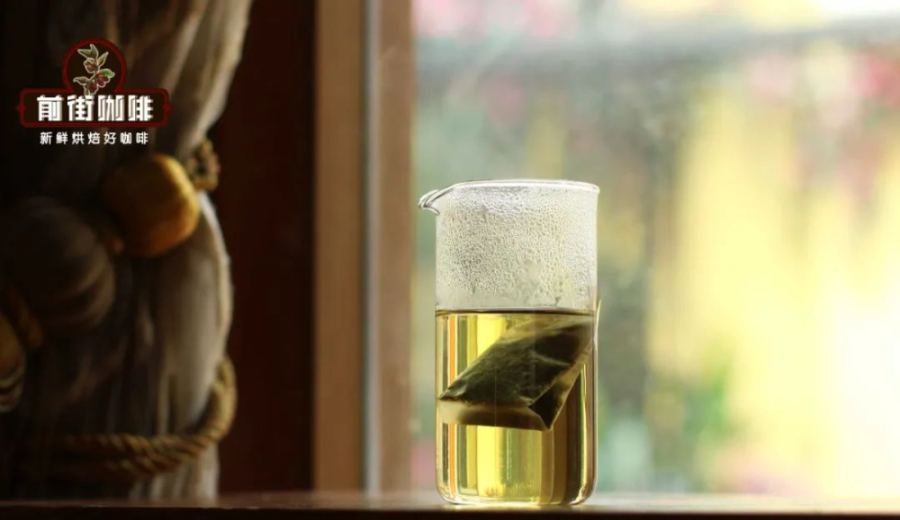
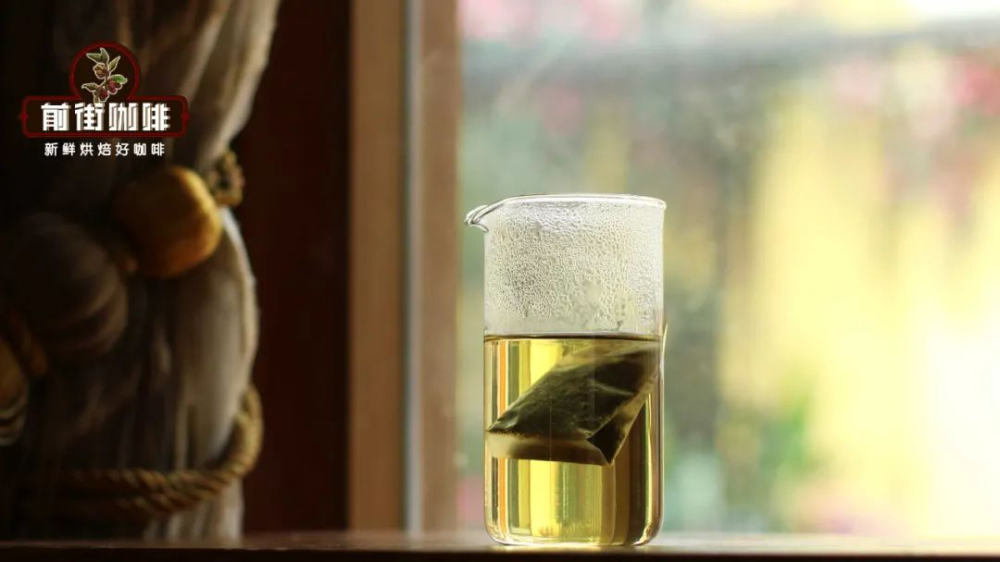
In contrast, tea-bag style coffee pods take a different approach—immersion extraction. Their design resembles tea bags, using small non-woven fabric pouches to package the coffee grounds. To brew, you just place the whole pod directly into a cup or teapot, pour in hot water, and let the coffee components naturally dissolve. This extraction method is said to be inspired by 18th-century French practice of placing coffee grounds in a cloth bag, boiling it, and then removing the bag—a sort of ancient simplified coffee brewing method.
For further comparison, we used non-woven fabric bags of the same specifications in our experiment. The drip bag filter measures 7.5×9cm and uses double-layer non-woven fabric, containing 10g of coffee grounds; the tea-bag style pod is a mini-sized 5.5×7cm bag, also filled with 10g of medium-to-light roasted coffee grounds. Throughout this experiment, we used the same coffee beans: Caturra variety from Duncan Estate in Panama. These beans, processed via sun-drying, exhibit distinct floral and fruity notes along with a honey-like sweet finish, making them ideal for observing differences in nuanced flavor expression.
For the hot brew test, we followed common pour-over parameters: 10g of coffee grounds, a 1:15 coffee-to-water ratio, and water temperature controlled at 93°C. The drip bag was brewed using a three-stage pour—starting with 20g to wet the grounds, followed by two main infusions of 65g each, totaling 150g of water. We emphasized pour speed and evenness to fully bring out the coffee’s aroma and balanced acidity and sweetness. In contrast, the tea-bag style pod was simply placed in the cup, and 150g of hot water was poured in all at once, then left to steep and release soluble compounds.
The results showed that due to the barrier of the non-woven fabric, the tea-bag style pod released a limited amount of soluble flavor compounds in a short time. Even when steeped for over 20 minutes, the coffee temperature had noticeably dropped, and neither flavor concentration nor extraction efficiency met expectations. In tasting, the drip bag version exhibited clear tropical fruit aromas—such as strawberry, dried mango, and pineapple—with a tangy-sweet layered profile, and a delicate grape-like aftertaste. In contrast, the tea-bag version tasted rather thin, with only faint dried fruit and floral notes, lacking noticeable acidity and overall layering.
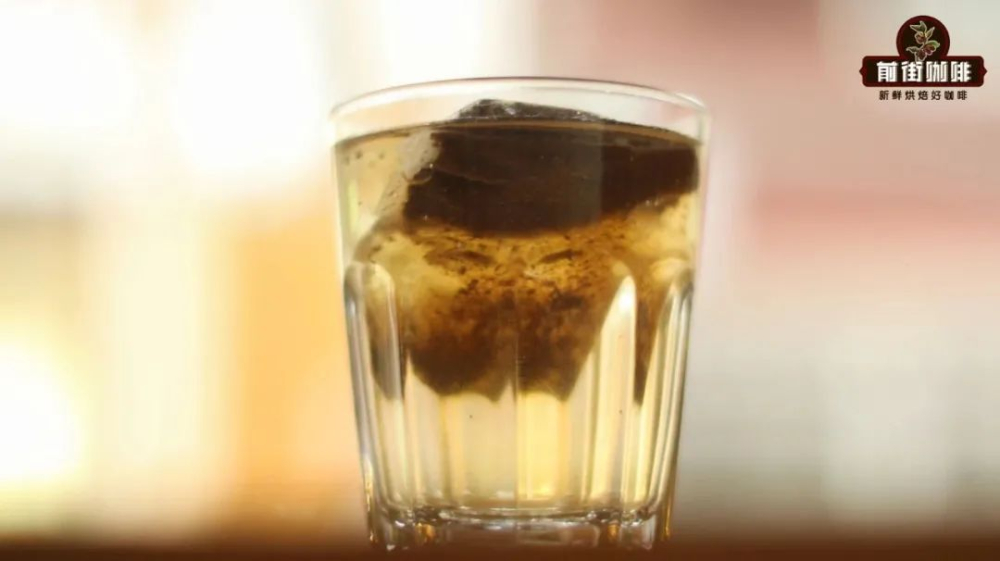
We also tested cold brew performance, using 20g of coffee grounds, a 1:11 ratio, and a total of 220g of water, steeped at room temperature for 8 hours. For cold drip bag brewing, the opened filter bag was placed in a sealed container, cold water was added, and the mixture was gently stirred before refrigeration. Occasional shaking helped ensure even extraction, and after 8 hours, the liquid was filtered. Cold tea-bag brewing was even simpler—just place two pods in a container, pour in cold water, refrigerate, then remove and discard the pods without any additional filtering steps.
The experiment found that during cold brewing, thanks to the extended steeping time, both methods were able to deliver certain fruity and sweet notes. However, the drip bag still maintained better clarity and layering in flavor due to its drip filtration nature. If you prefer ultra-simple operation, cold tea-bag brewing is undoubtedly more hassle-free. But if you care about flavor details, the drip bag still holds certain advantages.
In summary, tea-bag style coffee pods are suitable for those seeking ultimate simplicity and who don’t want to spend time controlling brewing steps—especially convenient for cold brew scenarios. But if you value flavor expression and want to fully showcase the layers and nuances of coffee, drip bags paired with proper pour-over techniques remain the superior choice. Understanding these differences can help you select the coffee format that best fits your daily needs.
The above content is compiled by CoffeeHunters, a coffee news website.


