







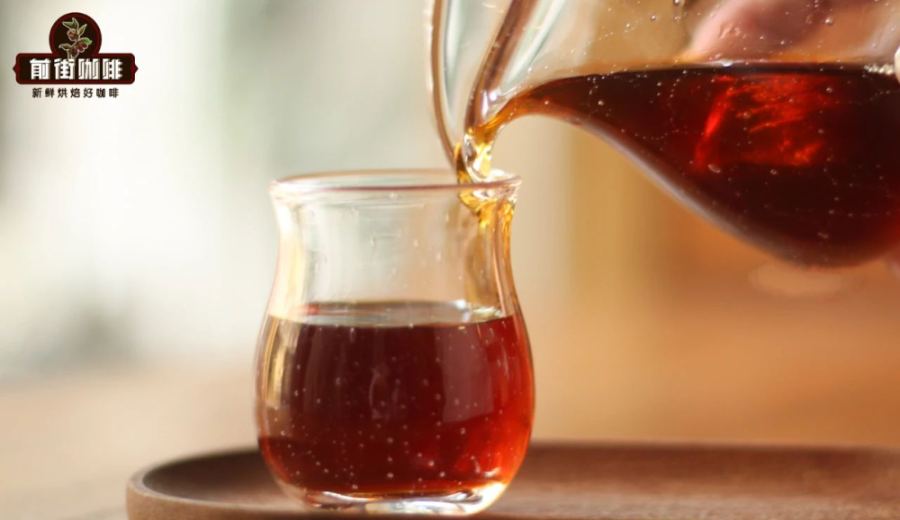
Introduction:As China’s largest coffee-producing region, Yunnan has gradually gained recognition in the specialty coffee scene in recent years. This article delves into the unique flavor profiles of two Yunnan Single Origin selections from Starbucks, explores whether Yunnan’s small-bean coffee is suitable for making lattes and cappuccinos, and details the region’s geographical advantages, historical development, major varieties, and processing methods—helping readers fully understand the characteristics and brewing potential of Yunnan coffee.
In recent years, Yunnan coffee has emerged in the specialty coffee market, attracting attention from numerous international brands. Starbucks has successively launched several Yunnan Single Origin selections, including the Pu’er Baoshan Blend and the Qingkai Farm Selection, demonstrating a high level of confidence in the region’s potential. These products not only showcase the diverse flavors of Yunnan coffee but also reflect its versatility as either a single-origin or blend component. This article will analyze in detail the flavor profiles of these two Starbucks Yunnan beans, while also exploring the region’s geographical conditions, cultivation history, major varieties, and processing techniques. Additionally, it evaluates the performance potential of Yunnan’s small-bean coffee in milk-based drinks such as lattes and cappuccinos.
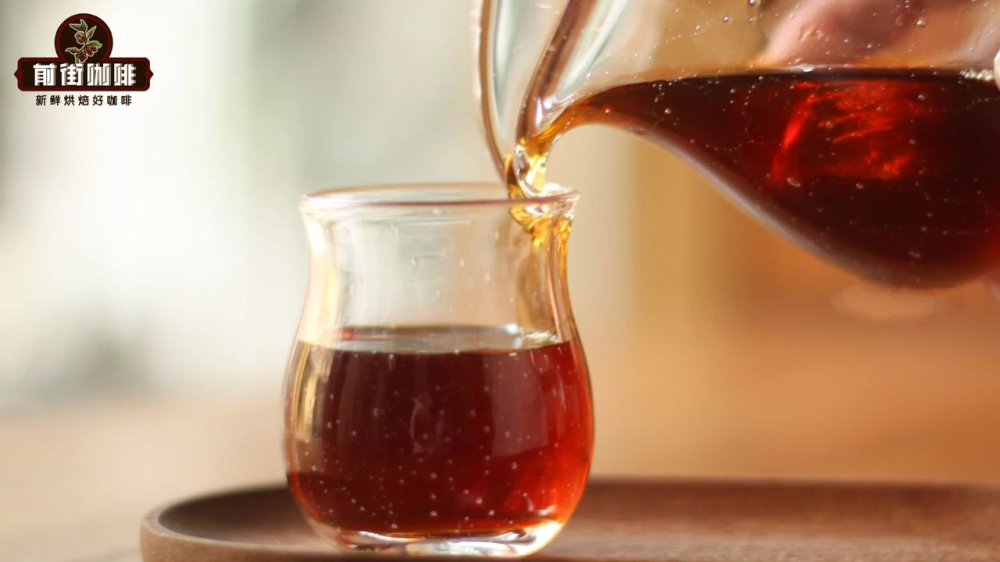
Since 2017, Starbucks has consistently introduced Yunnan Single Origin coffees, showcasing its long-term commitment to the region. Its “Phoenix Dancing in the Clouds” series has reached its tenth year—from its first single-origin offering to the newly released Pu’er Baoshan Blend and Qingkai Farm Selection—highlighting the quality potential of Yunnan coffee. Particularly, the Reserve series, representing Starbucks’ premium coffee offerings, demands exceptionally high standards for flavor purity and processing quality. The inclusion of Yunnan beans signifies their approval through the rigorous selection process of an international brand. This not only endorses Yunnan coffee but also provides consumers with a window into understanding the region.
The Qingkai Farm Selection is sourced from Qingkai Farm in Pu’er and undergoes a machine-assisted sun-drying process. This method effectively reduces the risk of mold caused by the overlap between harvest and rainy seasons, ensuring the stability of quality in sun-dried beans. Its flavor profile features a smooth chocolate base, delicately layered with herbal spice notes such as sage and thyme, presenting a mellow and well-structured taste.
The Pu’er Baoshan Blend is Starbucks China’s first Yunnan Reserve blend, combining beans from Zuoyuan Coffee in Baoshan and the Jinshan Coffee Cooperative in Menglian County, Pu’er. Although the two sources are nearly a thousand kilometers apart, both are processed via washed methods and lightly roasted along a mild light roast profile, delivering a unique sweet pepper acidity and syrupy, velvety mouthfeel. This blending strategy highlights the flavor differences of Yunnan coffee across varying microclimates and confirms the effectiveness of medium-light roasting in accentuating regional characteristics.
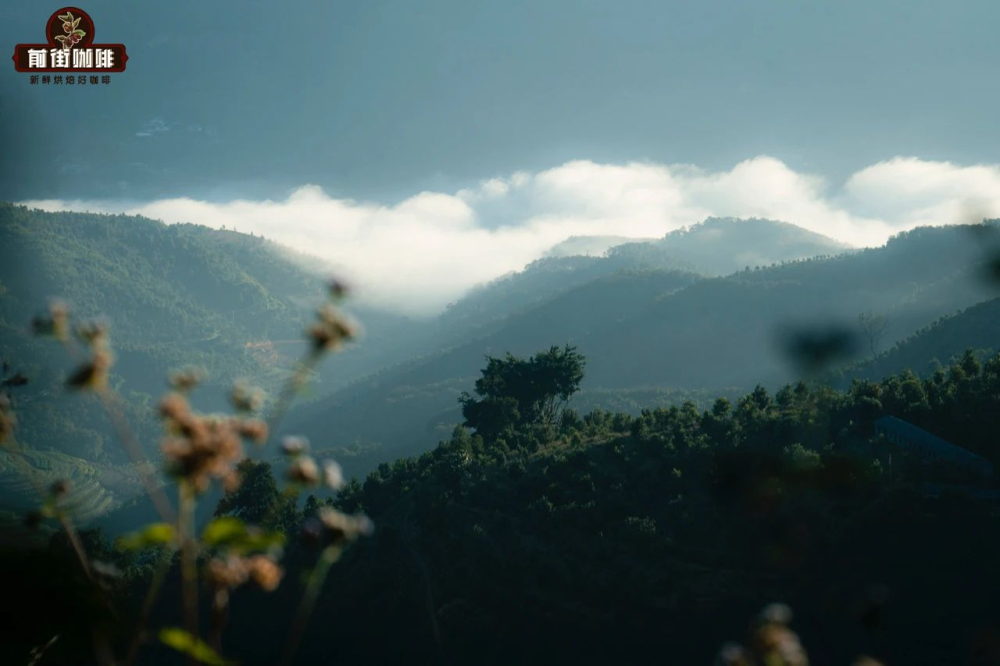
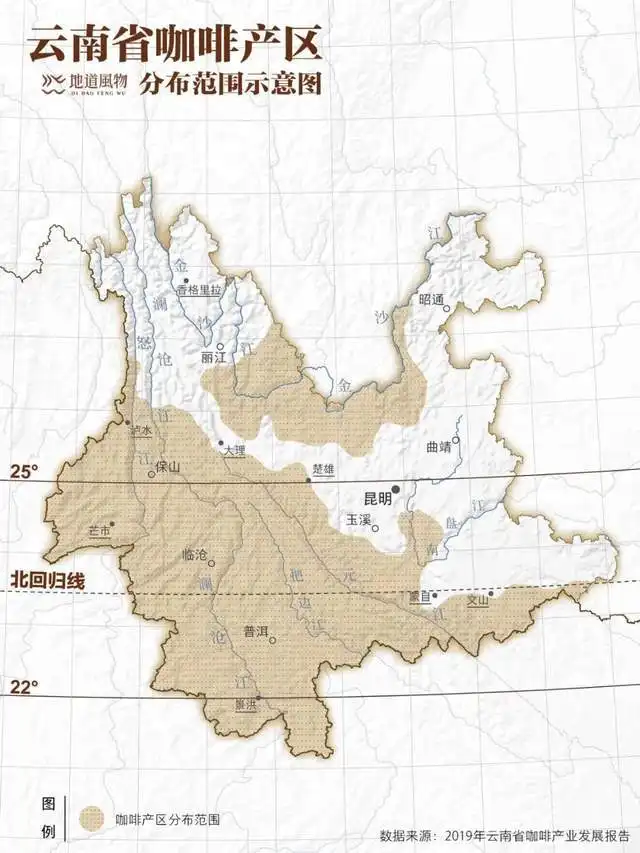
Yunnan is located in southwest China, with the Tropic of Cancer crossing its southern part. The region is predominantly mountainous and plateau, with mid-altitude areas between 1,000–3,500 meters accounting for about 90% of the province’s total area. This terrain, combined with a subtropical plateau monsoon climate featuring significant diurnal temperature variations and abundant rainfall, provides ideal growing conditions for coffee cherries. The high-altitude environment slows fruit ripening, allowing more complex flavor compounds to develop, giving Yunnan coffee a generally solid foundation in body and character. Currently, over 98% of coffee beans on the Chinese market come from Yunnan, making it the absolute mainstay of the country’s coffee industry.
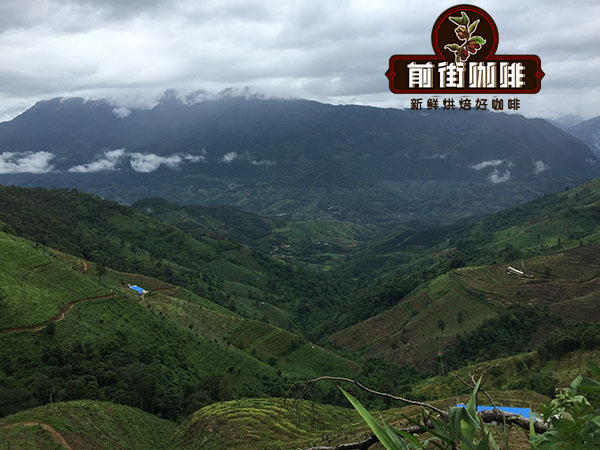
Yunnan’s major coffee-growing regions are concentrated in the south and west, with Pu’er, Baoshan, Dehong, and Lincang being particularly renowned. The Baoshan region is known for its rich yet non-bitter flavors, clear yet not overly sharp aromas, and the presence of dedicated plantations established by industry players. Dehong enjoys the reputation of being the “Home of Chinese Coffee,” with over 30,000 acres of coffee grown in mountainous areas above 1,600 meters using organic farming practices, earning international recognition for its quality. The history of coffee introduction in Baoshan dates back to the 1950s, with the small-bean variety from Ludian Dam once favored by European and American markets. In 2010, it received national geographical indication protection. Lincang, leveraging its unique geographical conditions, has built multiple nursery bases to promote local coffee cultivation. Pu’er, traditionally known for tea, has over 150 years of coffee cultivation history and began listing coffee as a strategic crop for increasing farmers’ income starting in the 1990s.
The history of coffee cultivation in Yunnan can be divided into four key phases: in the late 19th century, following the opening of trading ports after the Sino-French War, foreign merchants began introducing the concept of coffee; in 1902, French missionary Tien Dekeng planted the first coffee trees in Zhukula Village, Binchuan, some of which still survive today; in 1952, the Yunnan Academy of Agricultural Sciences distributed 80 kilograms of seeds to Ludian Dam in Baoshan to meet Soviet demand, driving large-scale cultivation; and in 1988, Nestlé established a joint venture, laying the foundation for the modern industry through technical support and price-guaranteed purchases. These developments gradually established Yunnan’s focus on small-bean varieties and fostered a diverse combination of cultivars.
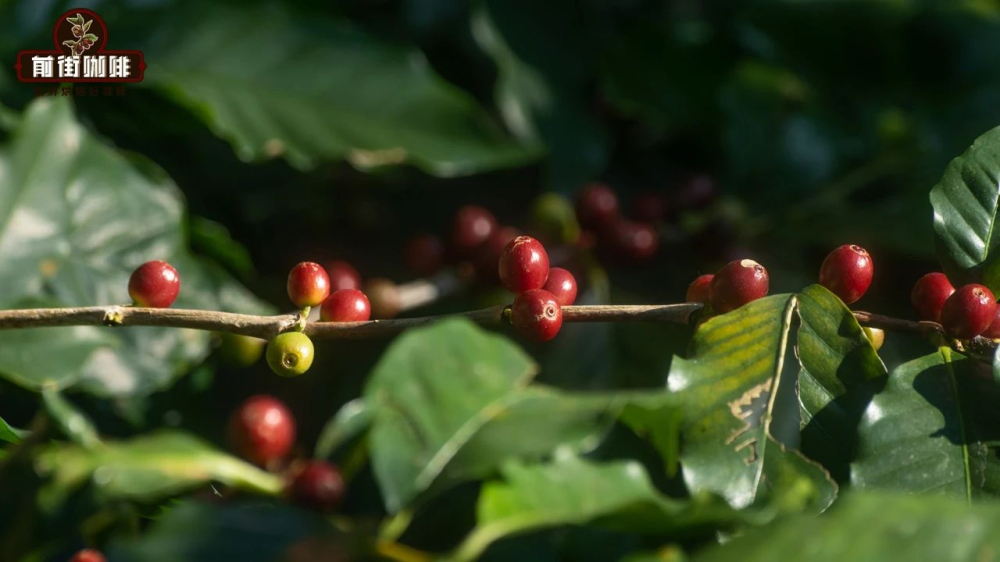
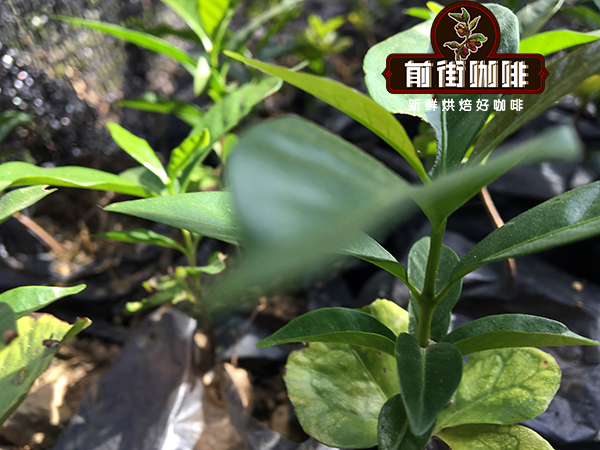
Currently, the most widely planted variety in Yunnan is Catimor, a hybrid of Arabica and Robusta that inherits 25% of Robusta’s genes, offering strong disease resistance and rich oils, though its flavor is often considered relatively ordinary. The Baoshan region retains small amounts of Typica and Bourbon varieties: Typica, the oldest original Arabica variety, is esteemed for its elegant flavor but suffers from low yield and weak disease resistance. Its clean, balanced profile is still prized by niche enthusiasts; Bourbon, a mutation of Typica where green fruits turn red, features broad leaves and dense clusters, with limited yield but offering wine-like acidity and sweet aftertaste. The Baoshan industry focuses on cultivating Typica to highlight its unique flavor purity.
Yunnan employs a variety of processing methods, but washed processing is the mainstream choice. This technique preserves the beans’ original flavors to the greatest extent, delivering a cleaner, brighter taste profile and reducing impurity interference. Washed processing, which removes the mucilage layer and ferments to reduce stickiness, enhances clarity in acidity and sweetness—especially effective in showcasing the delicate traits of mid-to-high altitude regions. For consumers seeking authentic flavor expression, washed Yunnan beans provide stable quality.
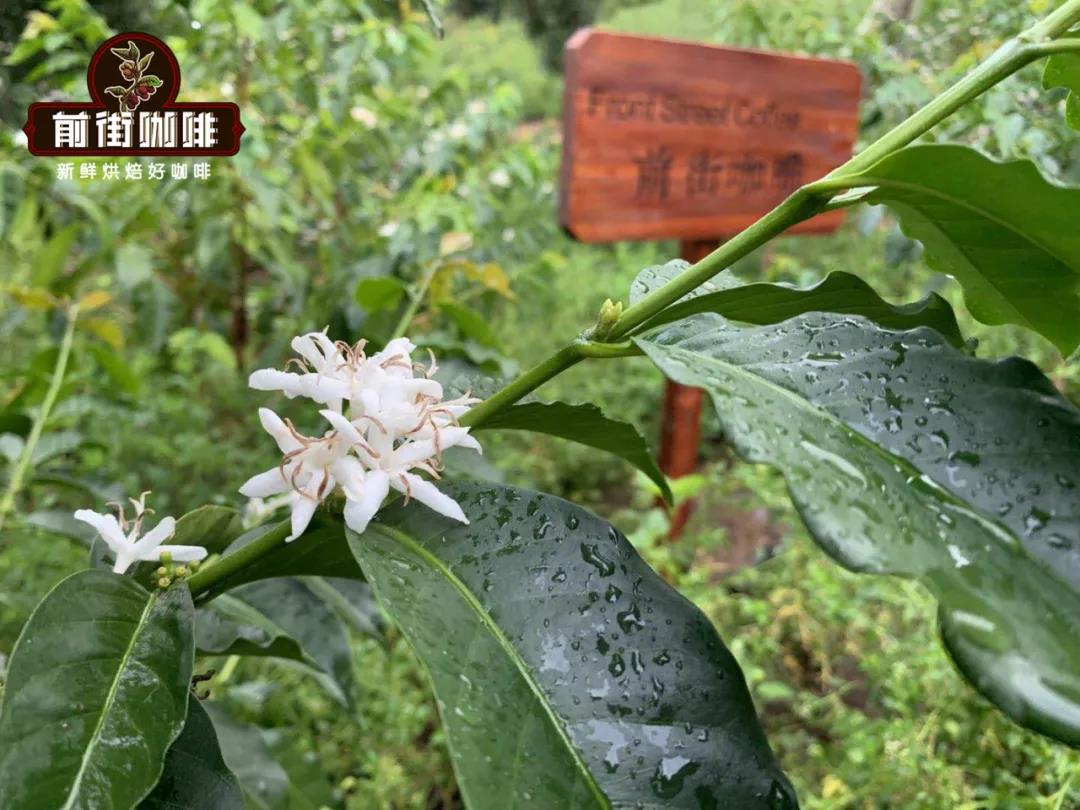
Based on regional characteristics, varietal genetics, and processing techniques, Yunnan coffee demonstrates versatile possibilities for both single-origin brewing and milk coffee blending. Its flavor profiles range from chocolate and nuts to citrus and brown sugar, adjustable in intensity and sweetness balance according to roast level. For milk-based drinks like lattes and cappuccinos, medium-light roasted Yunnan beans (such as the Pu’er Baoshan Blend) can complement the silkiness of milk with bright acidity and fruity notes, creating a harmonious taste layer. Darker-roasted Catimor varieties suit those preferring bold flavors, with their rich oils and full body supporting the structure of milk foam. Regardless of processing method or roast degree, understanding bean variety traits and regional terroir is key to extracting ideal flavors.
Two representative single-origin Yunnan beans from the industry also exhibit distinct flavor directions: the 2013 Typica beans from Baoshan, grown at 1,450–1,550 meters and processed via washed methods, offer citrus, nut, plum, and black tea-like mellow tones, suitable for pour-over or French press brewing; while the mid-low altitude Yunnan small-bean coffee (Catimor variety) from 1,200 meters features herbaceous, nutty, chocolate, and caramel notes, highlighting the bold characteristics of lower-altitude regions and serving as a solid base bean for lattes. These real-world examples prove that Yunnan coffee can function not only as a premium single-origin bean but also as a high-quality ingredient for milk coffee blends.
The above content is compiled by CoffeeHunters, a coffee news website.


