







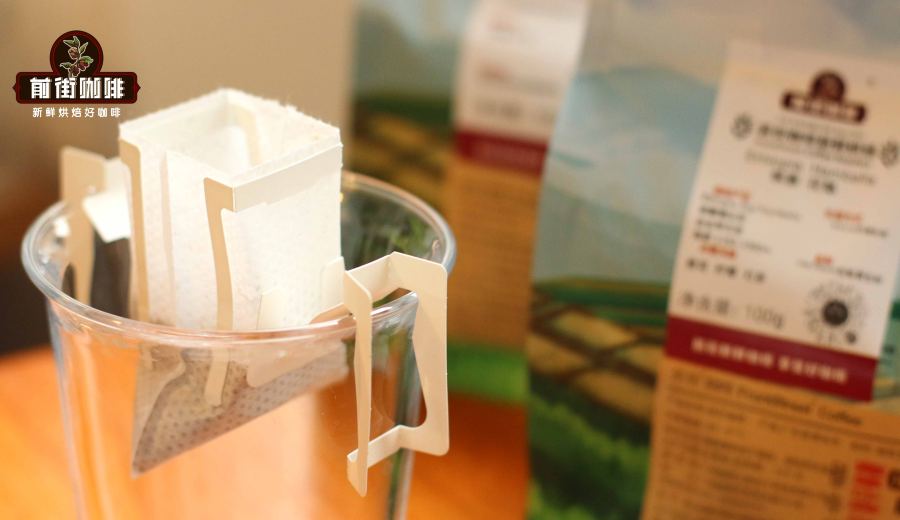
Introduction:Drip bags are a great choice for travel and commuting, but how can you brew the best flavor? This article explains the correct steps for brewing drip bag coffee, including water temperature, pouring ratio, and blooming time, and offers practical advice on common questions such as "can it be re-brewed" and "can milk be added to reduce bitterness." It also includes ideas for repurposing coffee grounds, helping you master the essence of this convenient coffee from beginner to advanced levels.
Because they are easy to carry, drip bags are perfect for hiking, camping, or office use. With just a few simple steps, you can enjoy a cup of coffee close to pour over quality at home or outdoors. But brewing a good cup of drip bag coffee actually involves quite a few details worth paying attention to—from water temperature control to pouring methods—all of which affect the final flavor. This article will take you through the complete standard brewing process for drip bag coffee and answer common questions, such as whether it can be re-brewed multiple times, and whether milk should be added if the taste is too bitter.
First, prepare a cup with not-too-wide rims so that the drip bag can sit stably. Locate the “OPEN” mark on the drip bag, carefully tear along the dotted line, then open the two side handles and hang them over the cup rim like wings.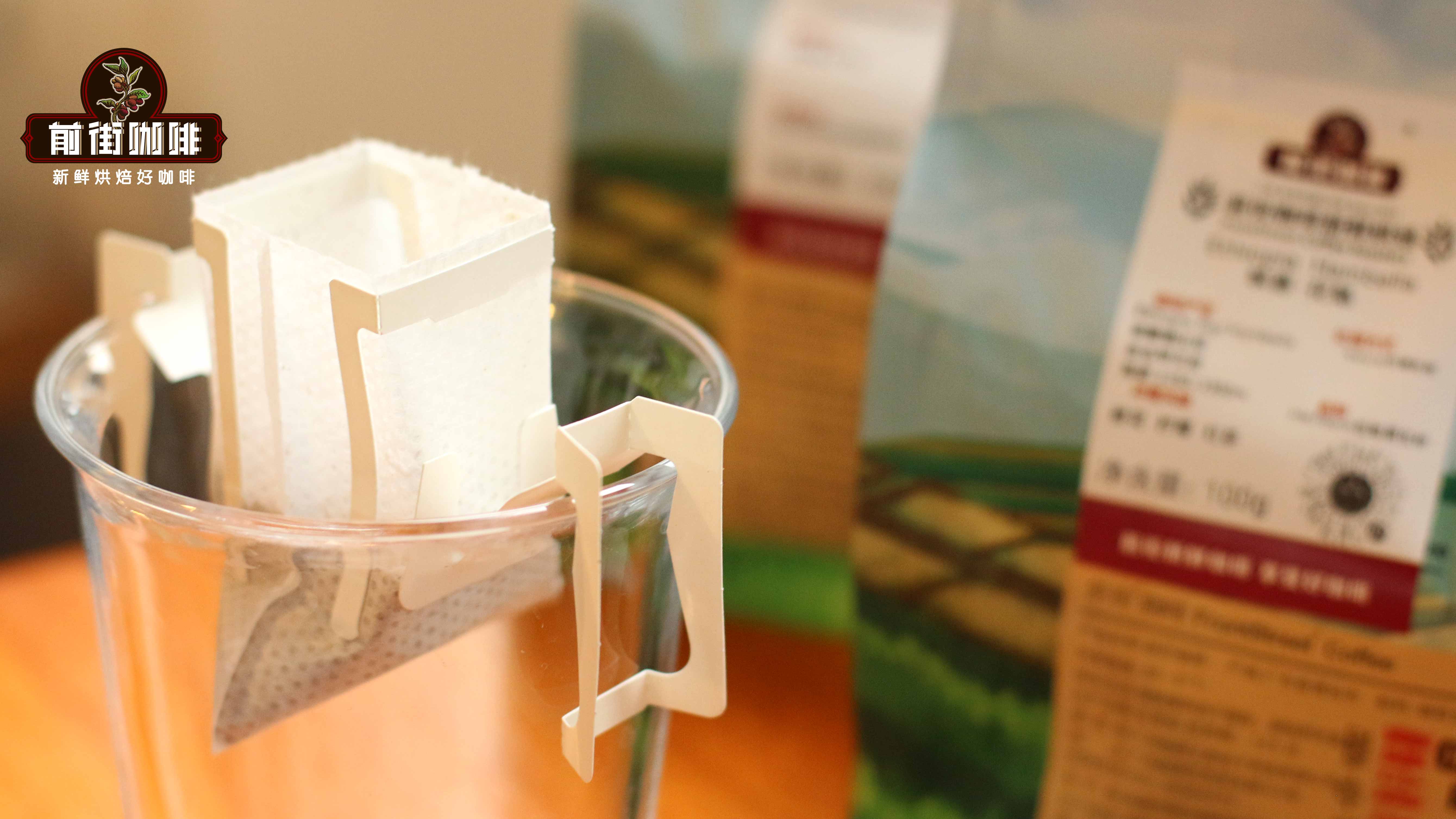
Water temperature is one of the key factors affecting extraction. It is recommended to control the water temperature between 88°C and 93°C. Start by pouring a small amount of hot water, about 20–30ml, to fully bloom the coffee grounds. This step is called “pre-wetting” or “blooming,” and should last around 15–20 seconds. It helps release aroma and activate the coffee’s flavors.
After blooming, you can start the main pouring. Taking a common 10g coffee drip bag as an example, if using a 1:15 coffee-to-water ratio, the total recommended water volume is 150 milliliters. However, this ratio can be adjusted according to personal taste—reduce the water for a stronger brew or add a bit more for a lighter flavor.It is recommended to use a thin stream of water, pouring slowly and evenly in a circular motion, completing the entire pour in one go.There’s no need for complicated multiple-pour techniques; keeping it simple and quick is one of the hallmarks of drip bag brewing.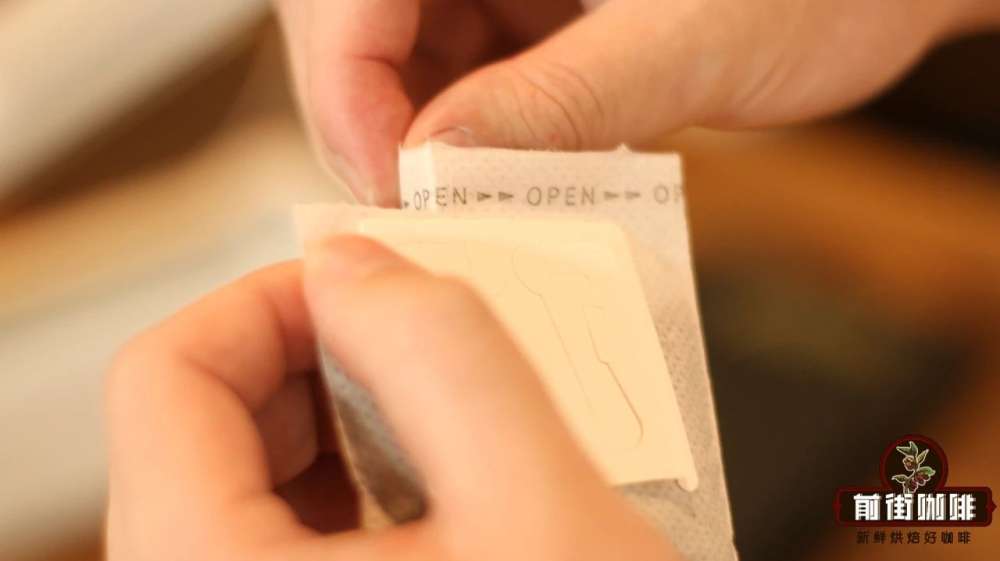
Some may wonder if multiple pours like in pour over are necessary. For drip bags, maintaining a steady stream and completing the pour in one go is the most practical approach, and it also helps avoid over-extraction or uneven flavors.
Once pouring is complete, wait for the coffee to finish dripping, then remove and discard the drip bag. What you get is a cup of black coffee with a flavor close to that of pour over, fully showcasing the original aroma and complexity of the coffee beans.
For flavor preferences, if you enjoy coffee with pronounced floral notes, you might choose an Ethiopia Yirgacheffe-flavored drip bag; if you prefer rich fruitiness and sweetness, a naturally processed Hua Kui coffee is also a great option; for those seeking a low-acid, full-bodied taste, the Indonesian Mandheling series is highly suitable.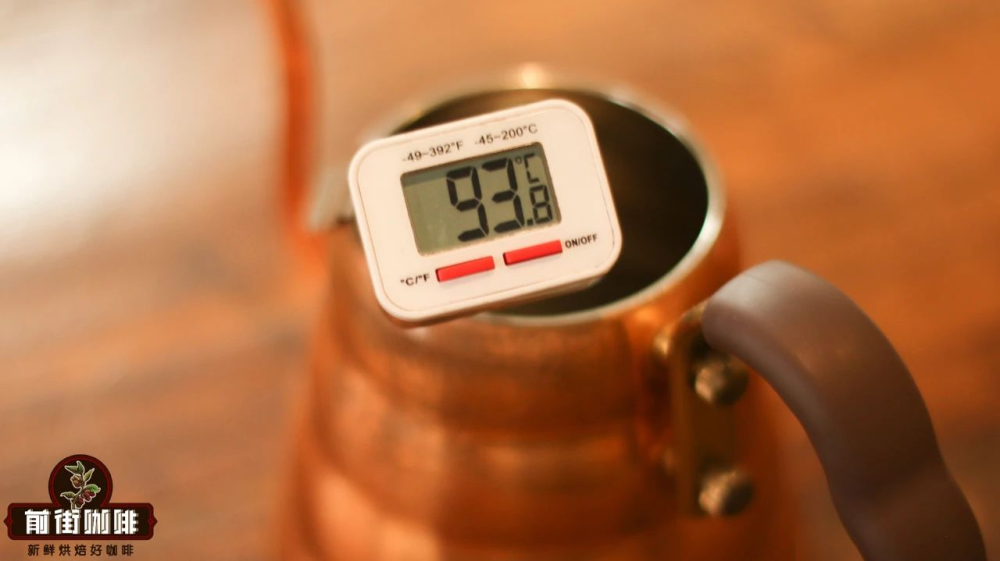
If you find the bitterness or astringency of pure black coffee too strong, you can add fresh milk, sugar, or honey according to your preference. This not only softens the taste but also adds different flavor layers. However, note that adding milk will alter the original flavor profile of the coffee, so it’s recommended to try it plain first before making adjustments.
As for the common question, “Can drip bag coffee be brewed a second time?” The answer is: technically yes, but not recommended. Most aromatic compounds and soluble flavors in the coffee grounds have already been released during the first brew, so the second cup will not only be noticeably weaker but may also have a stronger astringent taste. For coffee enthusiasts who care about flavor, this is not advised. While re-brewing isn’t harmful to health, the flavor experience is greatly diminished.
Finally, used coffee grounds have many practical uses—they can be placed in refrigerators or shoe cabinets to absorb odors, used as natural fertilizer for plants, or even repurposed in DIY cleaning or dehumidifying applications. Making good use of these little tips lets coffee grounds become helpful household aids rather than just discarded waste.
The above content is compiled by CoffeeHunters, a coffee news website.


