







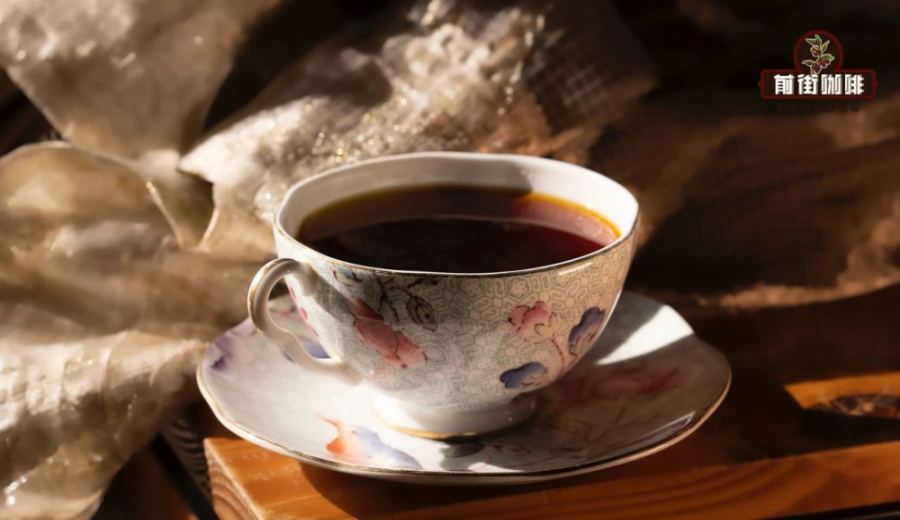
Introduction:To experience bright fruity acidity and delicate aromas in pour over coffee, choosing the right light roast beans is key. This article delves into the definition and characteristics of light roasts, debunks the myth that they are "acidic and hard to drink," and features five practical bean selections from Ethiopia, Kenya, and Panama. It also provides temperature, grind size, and staged water volume recommendations for a three-stage pour over to help coffee beginners consistently extract an ideal flavor with rich layers.
The flavor profile of pour over coffee is subtly shaped at the very stage of selecting the beans, and among these factors, "roast level" plays a decisive role. Light roast coffee beans, having spent less time in the roaster and undergone lower dehydration, retain more of their native floral and fruity aromas as well as vibrant organic acids, resulting in a drinking experience that is bright, layered, and distinct. However, many coffee enthusiasts new to light roasts often hold a misconception that light roast necessarily means sharp, sour, and unpleasant. In fact, a high-quality light roast coffee should exhibit a balanced acidity and sweetness, low bitterness, and elegant aromas. This article will start with the basic definition of light roasting, recommend five practical bean options suitable for beginners, and provide a detailed three-stage pour over procedure along with key parameters to guide you in more confidently unlocking the unique potential of light roast beans.

For coffee enthusiasts who love pour over brewing, the first priority when planning a great cup is to consider the roast depth of the beans. Different roast levels directly influence how flavors are expressed during extraction. Light roast beans, due to shorter heating times, preserve more floral and fruity aromas, making them a top choice for many coffee lovers. But which coffee beans fall under the category of light roast? Let’s start with the roasting process.
During the transformation of green coffee beans into roasted beans, they go through stages including dehydration, yellowing, first crack, and possibly second crack. The so-called "light roast" refers to removing the beans from the roaster when the first crack is in its mid-stage until it has just ended. At this stage, the internal organic acids in the coffee beans have not been fully broken down, allowing for a clear and bright acidity in cupping, relatively light bitterness, soft aromas, and a rich variety of flavors—making it ideal for appreciating the regional characteristics and subtle nuances of the coffee itself.
If you generally prefer clean and bright light roast coffee, you’ll find that truly captivating light roasts aren’t about a single note of acidity, but rather about balancing natural sweetness within the acidity, with low bitterness and elegant aromas. It’s recommended to prioritize beans with distinct fruit flavors, as these types often more easily showcase the elegant aromas unique to light roasts through pour over techniques. Below are five practical light roast bean recommendations suitable for beginners:
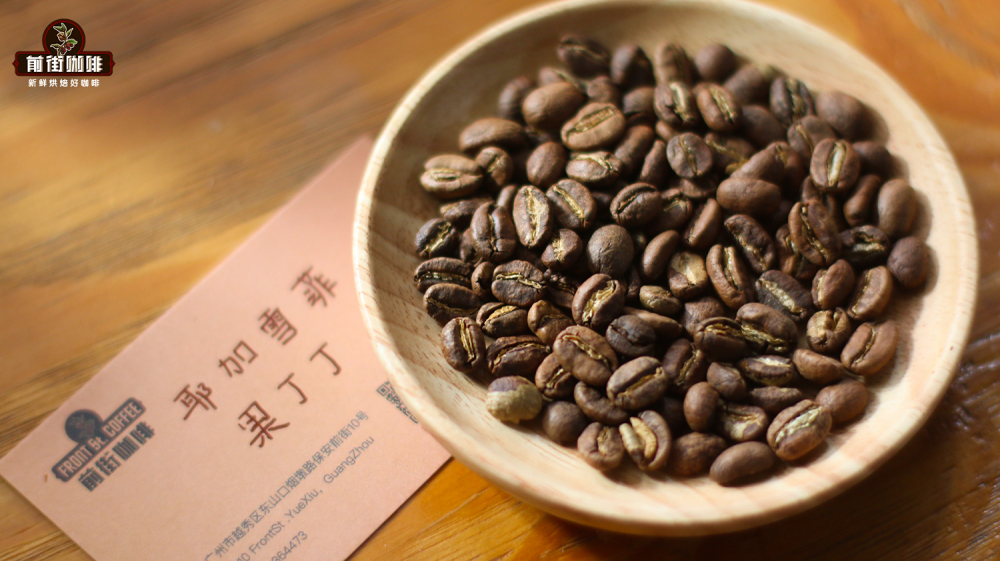
1. Fruit Ding Ding Coffee Beans (Ethiopia · Yirgacheffe)
Grown at an altitude of about 2,300 meters, the variety is Ethiopian heirloom, processed using the washed method. The flavor profile features bright fruity aromas with notes of citrus, blueberry, honey, and green tea. The acidity is vivid and prominent, suitable for those who enjoy a refreshing taste.
2. Little Tomato Coffee Beans (Kenya · Thika)
The producing area is located at an altitude between 1,550–1,750 meters, produced by Asali Honey Processing Factory, with varieties SL28 and SL34, processed using the K72 washed method. The flavor profile includes cherry tomato, black plum, pear, brown sugar, and plum, with a balanced interplay of acidity and sweetness and distinct layers.
3. Flower Butterfly Coffee Beans (Panama · Baru Volcano, Boquete)
At an altitude of about 1,600 meters, the variety combination is Geisha, Caturra, and Catuai, processed via the washed method. Its flavor highlights include white floral notes, orange, nuts, and a tea-like quality, with an overall mild yet varied expression.
4. Huakui Coffee Beans (Ethiopia · Guji, Hambela)
Produced at an altitude of 2,300 meters, using the natural (sun-dried) processing method, the variety is Ethiopian heirloom. The flavors present a gentle blend of creamed strawberry, citrus, light floral notes, berries, and black tea, suitable for those who prefer sweeter profiles.
5. Jade Red Label Geisha Coffee Beans (Panama · Baru Volcano, Boquete)
At an altitude of about 1,700 meters, the variety is Geisha, processed using the natural method. The flavors include mango, guava, rose, fruit candy, citrus, berries, and black tea, with rich layers and intense aromas—it’s a classic representative among light roast beans.
For beginners, it is recommended to use the three-stage pouring method for pour over brewing. This approach can more effectively extract flavor compounds from the coffee while enhancing the texture’s layering and avoiding issues like flavor imbalance or over-extraction caused by excessive soaking.
Taking 15 grams of coffee grounds and a 1:15 coffee-to-water ratio (total water volume 225 ml) as an example, the three-stage pours are 30 ml, 95 ml, and 100 ml, corresponding to 30g, 125g, and 225g on the scale. This article uses washed-process Yirgacheffe Fruit Ding Ding coffee beans with a Hario V60 filter cone for demonstration. The V60’s spiral ridges help release gas from the coffee bed, effectively improving the release and dissolution efficiency of acidic aromatic compounds. Since Yirgacheffe is a light roast with relatively hard beans, it is recommended to use hot water at 92°C–93°C to help bring out its floral and fruity notes as well as bright acidity.
In terms of grind size, a medium-fine grind is recommended (about 78% passing through a Chinese standard No. 20 sieve, close to the coarseness of coarse sugar). If the grind is too coarse, it may lead to insufficient extraction of flavor compounds and a thin-tasting cup; if too fine, over-extraction can occur under high water temperature, resulting in bitterness and astringency.
Regarding brew ratios, both 1:15 and 1:16 are viable ranges. For a stronger taste, choose 1:15; for a clearer flavor and more pronounced sweetness, opt for 1:16 to allow the flavors to unfold more fully.
In practice, first neatly fold the filter paper and place it into the filter cone, then add 15 grams of ground coffee and reset the scale to zero. The first stage involves pouring 30g of water for the bloom, lasting 30 seconds. It is recommended to use a small stream of water starting from the center and slowly circling outward to ensure the entire coffee bed is evenly moistened.
After the 30-second bloom, move to the second stage: switch to a slightly larger stream of water and steadily pour 95g, aiming to lift the coffee bed. Keep the water column vertical and even. This stage should be completed around the 55-second mark, with the scale showing 125g.
When the liquid level drops to about half, begin the third stage: use a small stream to slowly pour the final 100g in small circles, being mindful to control the water flow to avoid disturbing the coffee bed excessively, which could lead to uneven extraction. The total water poured is 225g, and the overall dripping time is about 2 minutes. After completion, remove the filter cone, gently swirl the server to mix the coffee evenly, and enjoy a balanced, layered light roast pour over coffee.
The above content is compiled by CoffeeHunters, a coffee news website.


