







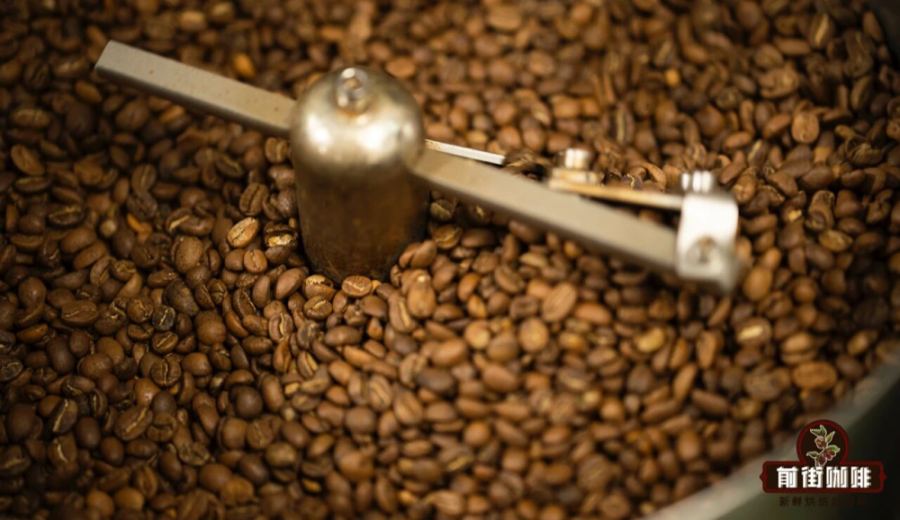
Introduction:Drip bags are a convenient choice for busy lifestyles, and Indonesian Mandheling, with its rich medium-to-dark roast profile, is widely loved. From spicy notes and dark chocolate to smoky finishes, how do you choose this classic Asian bean without making a mistake? This article explores everything from the common Lintong region G1 grade to the premium PWN Golden Mandheling, analyzing key selection factors and flavor differences to help you find the right drip bag coffee.
For those with fast-paced modern lives, drip bags offer an excellent option that saves time without sacrificing flavor. Among the many coffee options, Indonesian Mandheling stands out as a favorite for many coffee enthusiasts, thanks to its bold taste and unique aroma brought out by deep roasting. As coffee beans are roasted more deeply, their acidity gradually transforms, and caramelization reactions bring out intense bitterness and smoky flavors, resulting in a richer, smoother mouthfeel. As a representative of this style, Mandheling often showcases rich layers of spices, herbs, pine, and dark chocolate, with a long and unforgettable aftertaste.
However, the market offers a wide variety of Mandheling drip bags with inconsistent quality. For the average consumer, choosing products that are truly representative can be a challenge. This article will focus on two classic regions and brand lines: the commonly found G1 grade Mandheling from the Lintong region, and the high-end PWN Golden Mandheling highly regarded in the premium market. It will help readers navigate the numerous options to find the drip bag coffee that best suits their taste.
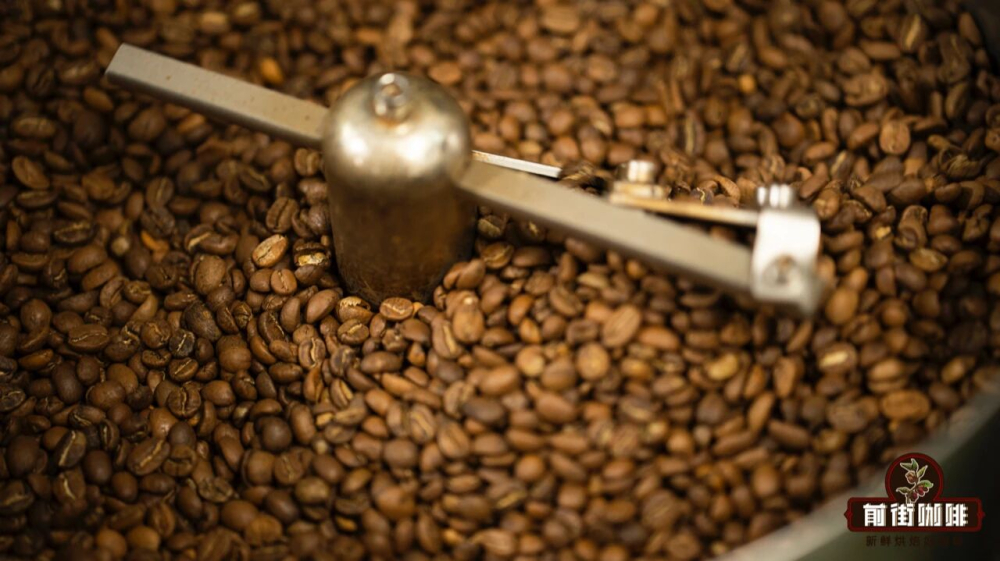
Deep-roasted coffee beans undergo a significant reduction in acidity during the roasting process, replaced instead by caramelized aromas, smoky tones, and distinct bitterness. These traits present in the cup as a thick and viscous mouthfeel. Mandheling is one of the classic representatives of this style, and its deeper roasted versions often blend multiple flavors such as spices, herbs, resin, and dark chocolate. The aroma is rich and the aftertaste lingers, making it truly memorable once tasted.
For busy professionals, while pour over coffee offers excellent flavor, it is often time-consuming and labor-intensive, making it difficult to fit into a hectic schedule. In such cases, drip bags become an ideal alternative—preserving the flavor of freshly ground coffee while offering brewing convenience. But when faced with the wide array of Mandheling drip bag products, what should consumers pay attention to when selecting, so they don’t waste money and can still enjoy truly high-quality coffee?
If you're new to Mandheling flavors, it's recommended to start with an entry-level option, such as the G1 grade Mandheling drip bag from the Lintong region of Sumatra. This product is usually shipped quickly within 24 hours of ordering and ensures the coffee beans are used within five days of roasting to maintain optimal freshness. The Lintong Mandheling beans are of Indonesia’s highest G1 grade, processed using the region’s unique wet-hulling method. The roast level leans toward medium-dark, fully showcasing the complex aromas typical of Mandheling—caramel, spices, nuts, and dark chocolate. It has a rich mouthfeel with extremely low acidity, making it perfect for consumers experiencing Mandheling for the first time.
The term Lintong Mandheling refers to Arabica coffee grown in the mountainous areas around Lake Toba in northern Sumatra. Lake Toba, located north of Sumatra’s provincial capital Medan, is a high-altitude freshwater lake at about 900 meters above sea level. The Mandheling coffee from this region is mostly processed using the traditional wet-hulling method and features strong herbal and earthy aromas, making it one of the classic representations of Asian coffee flavors and a top choice for many coffee lovers trying Indonesian beans.
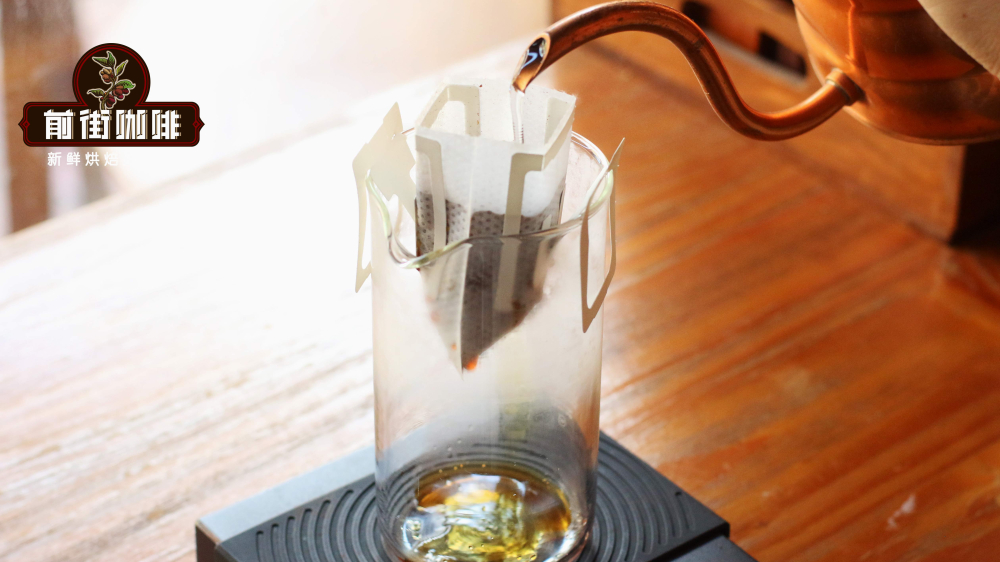
If you wish to explore higher-quality Mandheling, then the PWN Golden Mandheling drip bag is definitely worth considering. The name PWN is akin to a specialized institution dedicated to selecting top-tier bean sources in the world of premium Mandheling.
PWN stands for "N.V. Pawani Medan company," a trading company specializing in purchasing and exporting high-quality Mandheling green beans from Sumatra. Its product line focuses on specialty-grade beans, and "Golden Mandheling" is its most iconic star product. Initially, Japanese buyers purchased large quantities of Sumatran coffee due to its potential, but later discovered significant variations in the quality of local beans. As a result, they began getting involved in the production process, establishing stricter standards for defect sorting and processing protocols. Every aspect—from bean density and size to appearance and color—is rigorously controlled. It is understood that these beans undergo one mechanical screening and four manual hand-sortings to ensure each bean is plump, uniform, and free of obvious defects, thereby reducing the interference of earthy tastes and impurities. Interestingly, these carefully selected beans take on a golden sheen in sunlight, hence earning the name "Golden Mandheling."
Freshly roasted PWN Golden Mandheling, upon opening the package, reveals natural aromas of cedarwood, nuts, and herbs. After brewing, the sweetness of licorice and caramel gradually unfolds; upon tasting, layers of black chocolate, cocoa, nuts, and spices emerge. The overall profile is clean, with a pronounced aftertaste and full-bodied richness. Even when brewed as a drip bag, it fully delivers the essence of this premium Mandheling, making it an unmissable choice for coffee lovers pursuing quality and flavor.
The above content is compiled by CoffeeHunters, a coffee news website.


