







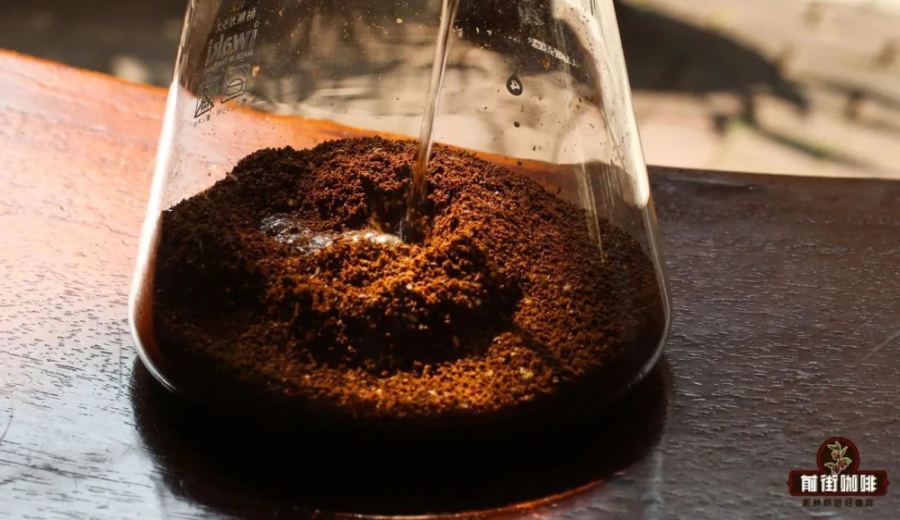
Introduction:Want to easily make cold brew coffee at home but don’t want to buy specialized equipment? A French press is the most affordable and convenient option! This article explains in detail how to use a French press to make cold brew, from the advantages of immersion extraction to bean variety and flavor pairing suggestions. With a practical example using a 300ml capacity and a 1:10 coffee-to-water ratio, it guides you through every step—from grinding, pouring water, refrigerating for extraction, to filtering and drinking. It also provides useful tips on shelf life and flavor changes.
Love cold brew coffee but don’t want to buy special equipment? Don’t worry—you only need a French press to easily make a smooth and refreshing cold brew at home. This article will take you through the complete process of making cold brew with a French press, from the characteristics and benefits of immersion brewing to recommended types of coffee beans suitable for cold brew. It also demonstrates steps and parameters with a real-life case to help you consistently brew clean, layered iced coffee.
The reason a French press is well-suited for making cold brew lies in its use of the immersion extraction method. This approach has many advantages, the first being:High fault toleranceBecause the coffee grounds are soaked in water for an extended period, as the concentration between coffee and water gradually balances, the release rate of soluble substances naturally slows down. Even if your grind size or coffee-to-water ratio is slightly off, it’s unlikely to result in over-extraction or under-extraction.
The second advantage islow operational barrierThe French press doesn’t require precise control of water flow or pouring techniques. You just need to put the coffee grounds and cold water into the press, stir them appropriately, let it sit for a while, and then gently press the filter to complete the extraction. The entire process is as simple and intuitive as brewing a cup of tea.
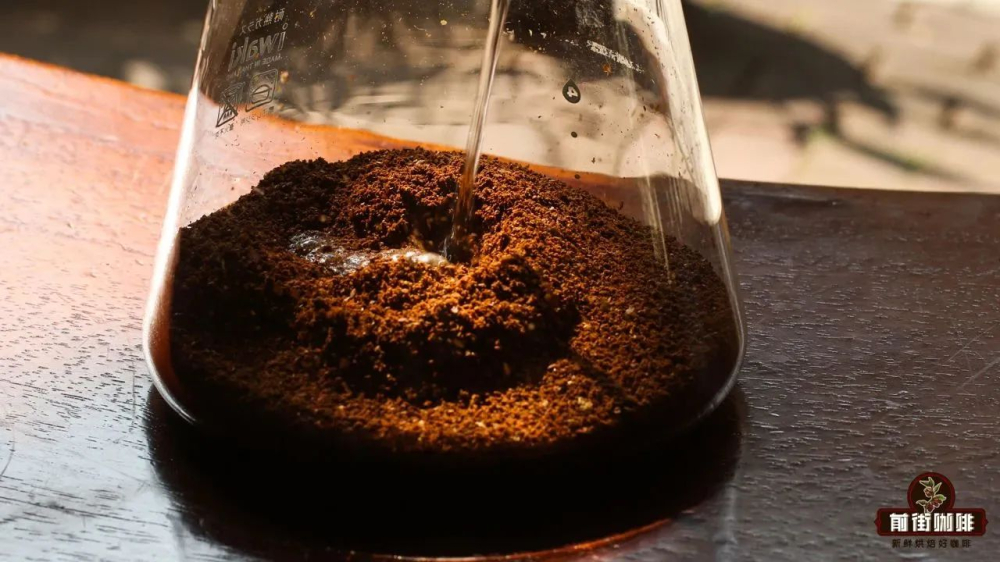
So, which coffee beans are suitable for cold brew? In theory, almost all coffee beans can be used for cold brew, but if you want a more pleasing flavor, bean selection does matter. Generally speaking,light to medium roastedbeans tend to showcase brighter acidity and delicate fruity notes, especially those with floral, berry, or citrus profiles. These often present a more vibrant and lively flavor spectrum after cold brewing.
For example, if you prefer a type with prominent fruity aromas and a balanced sweet-sour taste, you can choose beans with strong floral and fruity characteristics and clear flavor profiles. If you prefer a richer, fuller-bodied taste with pronounced sweetness, then medium-dark roasted beans with chocolate, caramel, or nutty flavors are recommended. Different bean varieties lead to varying flavor directions, which greatly influence the final outcome of the cold brew—so it’s worth experimenting based on your personal preferences.
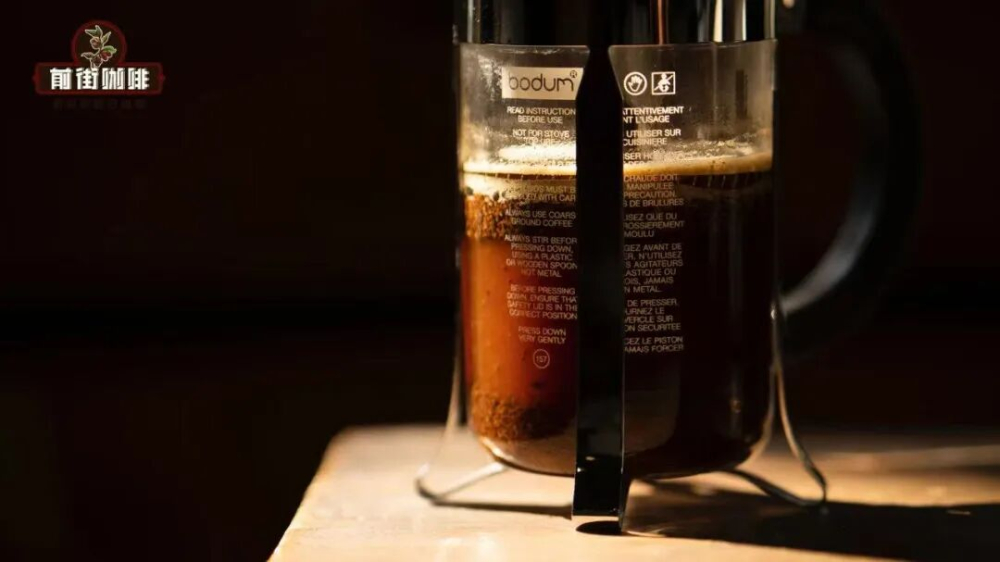
Next, let’s look at how to actually make cold brew coffee with a French press. Assuming you’re using a French press with about300mla certain capacityand a 1:10 coffee-to-water ratio, that is, 30 grams of coffee grounds with 300 milliliters of cold water. This ratio yields a cold brew with moderate strength, suitable for direct drinking or adjusting with a few ice cubes.
Grind the selected coffee beans (for example, those with berry, raisin, and nut aromas) to a coarseness similar to sea salt—specifically, aim for about85% passing through a standard #20 sieve. This grind size ensures the coffee grounds fully release their flavors during prolonged soaking, without becoming too fine, which could lead to over-extraction or sediment formation.
Pour the ground coffee into the French press, add room temperature or cold water (no need for ice water), stir gently to mix evenly, then cover with the filter but don’t press it down yet. Place the whole press directly into the refrigerator. The recommended steeping time is8 to 16 hours, which you can adjust flexibly depending on how strong or nuanced you want the flavor to be. Generally, the longer the steeping time, the more concentrated the flavors—but avoid going beyond 24 hours to prevent over-extraction.
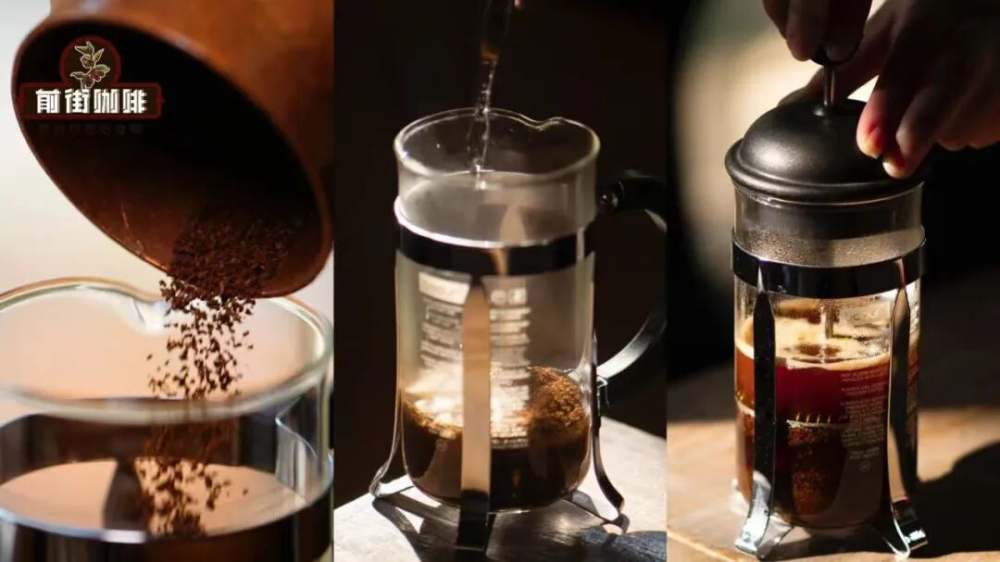
After extraction, gently pull up the filter of the French press to filter out the larger coffee grounds. If you want a clearer coffee liquid, you can perform a secondary filtration using filter paper to remove tiny particles. At this point, the cold brew coffee is ready to drink. If you find the flavor too intense, you can add a small amount of ice to dilute it. Alternatively, pour the coffee liquid into a clean, sealed bottle, let it sit in the refrigerator for about 4 hours before drinking—it can sometimes result in a rounder sweetness and smoother mouthfeel.
After cold brewing is complete, it’s recommended to store the coffee liquid in a sealed container in the refrigerator. It can generally be kept forabout 5 days. Although cold brew may seem to develop a richer flavor the longer it’s stored, home refrigerator environments are complex and it’s hard to completely avoid bacterial contamination. Also, each time you open the container, air enters, which isn’t ideal for preservation. For both health and optimal flavor, it’s best to enjoy it fresh and avoid storing it for too long.
The above content is compiled by CoffeeHunters, a coffee news website.


