







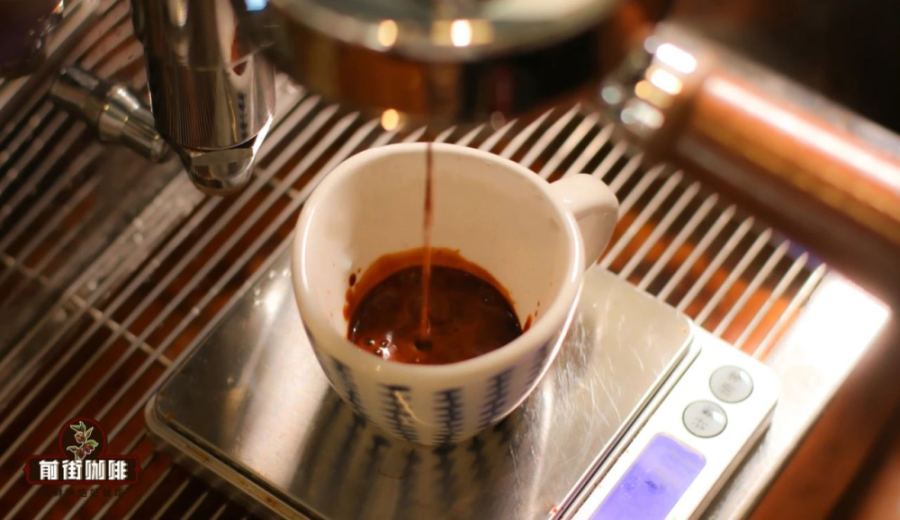
Introduction:Have you ever wondered why some cups of coffee give you an instant energy boost, while others feel more like a "placebo"? The key lies in the difference in caffeine content. From bean variety and roast level to brewing method, every step affects how alert you’ll feel. This article dives into the caffeine differences between Robusta and Arabica beans, and compares the actual intake from various brewing methods like pour over, French press, and cold brew, helping you choose the best coffee type for your needs.
The secret behind coffee’s energizing effect is none other than “caffeine.” The longer we stay awake, the more adenosine builds up in our bodies, leading to drowsiness. Caffeine blocks adenosine from binding to nerve receptors, tricking the brain into thinking the body isn’t tired—thus keeping you awake. Therefore, if you want an effective pick-me-up, choosing a beverage with higher caffeine content is key.
However, the actual caffeine content in a cup of coffee depends not only on the bean variety but also significantly on brewing method, coffee-to-water ratio, and brewing time. Some coffees that taste strong may not have the highest caffeine levels, while others brewed for longer might actually contain more. Below, we’ll explore both bean variety and brewing methods to help you fully understand how to choose the right coffee for your energy boost.
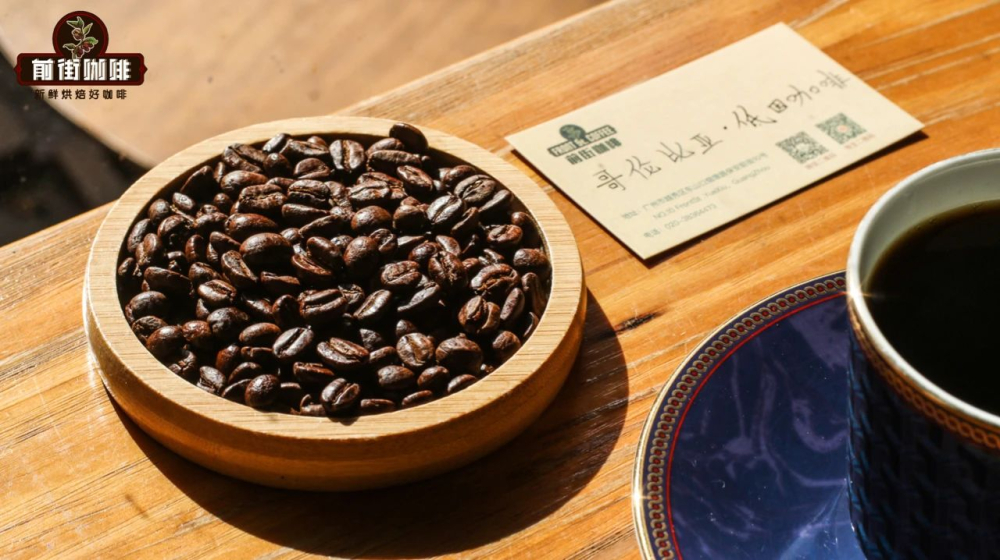
Common coffee beans can generally be divided into two main varieties: Robusta and Arabica. Robusta beans typically have a higher caffeine content, about 2% to 4% of the bean’s weight, usually around 3%. In contrast, Arabica beans have a lower caffeine content, ranging from 0.9% to 1.4%, most commonly around 1.2%. So, if you’re looking for a stronger energy kick from coffee, Robusta is the more effective choice.
On the other hand, if you’re sensitive to caffeine or prefer a lower dose, Arabica beans are recommended. Additionally, there’s what’s known as “decaf coffee,” which is actually made from naturally low-caffeine Arabica variants, containing about half the caffeine of regular Arabica—around 0.6%. But even that is still too much for those who can’t consume any caffeine at all. If you want to avoid caffeine completely, opt for artificially decaffeinated coffee, which contains almost no caffeine.
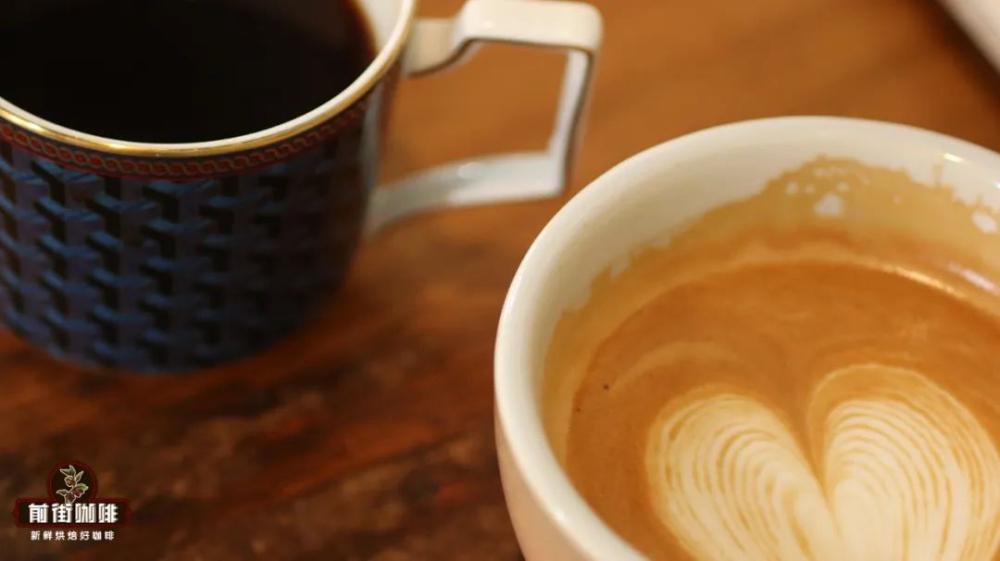
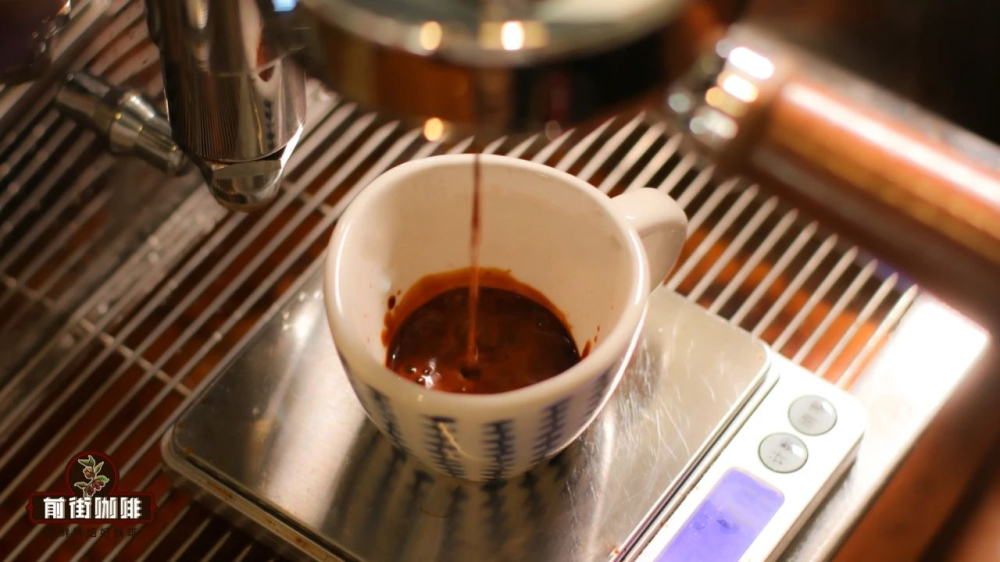
Caffeine intake doesn’t just depend on the bean variety—it’s also closely related to the brewing method. Many assume espresso has the highest caffeine content, but depending on preparation and brewing parameters, other methods might actually deliver more total caffeine. For example, using the same amount of espresso as a base, whether it’s made into a latte, cappuccino, or Americano, the caffeine content remains the same—the only difference is the proportion of water or milk added afterward.
Using “per cup” or “actual amount of coffee grounds used” as the basis for calculation is more reflective of real intake than simply looking at “milligrams of caffeine per 100 milliliters.” For instance, adding one shot of espresso to 200 milliliters or 300 milliliters of water—if consumed entirely—the total caffeine intake is the same, only the concentration differs. Therefore, focusing solely on concentration can be misleading.
Moreover, the amount of caffeine released is also closely tied to brewing time. Under high temperature conditions, the longer the extraction time, the more caffeine is typically released. This means brewing methods that require longer steeping or dripping times—like French press, pour over, and cold brew—often contain more caffeine than short, high-pressure extractions like espresso.
Below is a summary of the caffeine content in common coffee beverages under typical brewing conditions (using Arabica beans as an example; cold brew and cold drip are based on 12-hour and 8-hour extractions respectively):
• Espresso (20g coffee grounds / ~40g coffee liquid): about 100mg
• Latte, Americano, Cappuccino (based on one shot of espresso): same as espresso, about 100mg
• Pour over coffee (15g coffee grounds / 195ml): about 90mg
• Pour over coffee (20g coffee grounds / 260ml): about 120mg
• French press (20g coffee grounds / 4 minutes): about 135mg
• Cold drip coffee (20g coffee grounds / 200ml, 8 hours): about 135mg
• Cold brew coffee (20g coffee grounds / 200ml, 12 hours): about 140mg
• Drip bag coffee (10g coffee grounds / 120ml): about 50mg
• Instant coffee (one packet): about 50mg
Overall, in terms of caffeine intake per single cup, cold brew, cold drip, and French press often release more caffeine due to longer contact time, especially when using more coffee grounds. As a result, if you’re looking for a quick energy boost in the morning or when you need to focus intensely, consider these brewing methods and adjust the amount of coffee grounds and brewing time accordingly.
Finally, keep in mind that the energizing effect of coffee varies from person to person. Aside from caffeine content, individual tolerance, physique, and daily mental state all influence how you actually feel. If you want to more accurately manage your intake, try adjusting the type of coffee bean and brewing parameters to find your ideal energy-boosting formula.
The above content is compiled by CoffeeHunters, a coffee news website.


