








Introduction:Want to develop your coffee tasting skills from scratch but not sure where to start? This article provides a practical training method—from daily drinking and building foundational taste recognition to understanding flavor profiles—to help you gradually build your own flavor memory bank. It also explains the differences between Q-Grader and SCA sensory courses, offering beginner-friendly course selection advice to help you accurately describe the aroma and taste of pour over coffee just like a professional.
The specialty coffee field has developed a comprehensive knowledge system covering cultivation, processing, roasting, and extraction, with tasting ability being the key that links all these stages. Facing specialized courses like Q-Grader and SCA sensory evaluation, many beginners often feel confused: should they sign up right away? In fact, there’s a more practical path to building coffee sensory skills.

From green bean quality to roast profiles, and finally to cupping performance, every stage of specialty coffee follows strict standards. These efforts ultimately aim to deliver a better drinking experience, and tasting ability is at the core of reflecting this improvement. Currently, there are Q-Grader certifications for professionals and SCA sensory courses for enthusiasts, but beginners without a foundation may find it difficult to fully absorb the course content.
For coffee lovers starting from zero, it’s recommended to first develop foundational skills through daily practice. Here are three practical training directions:
Drink more to build a foundational memory
The reason baristas are sensitive to flavors lies in "drinking a lot." Flavor memory can’t be achieved overnight—it must be built through repeated tasting. Even after completing a professional course, without continuous practice, the knowledge learned is hard to turn into actual skill.
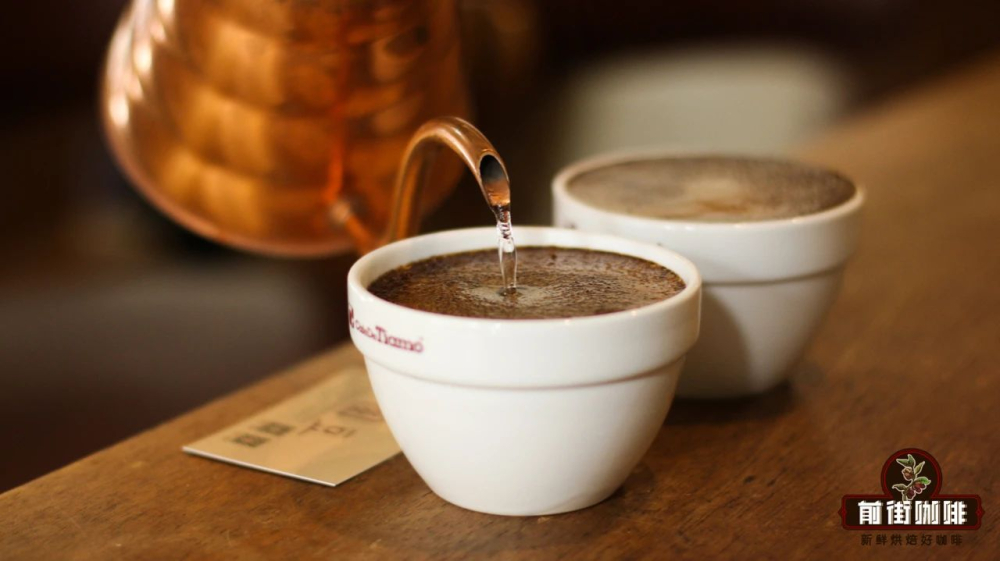
Distinguish basic tastes before discussing flavor descriptions
Many beginners rush to name specific flavors at the start, which often leads to frustration. In reality, coffee tasting should begin with the most fundamental taste perceptions—sour, sweet, bitter, salty, and umami—with coffee primarily showcasing the first three. It’s recommended to first focus on judging: is the acidity of this coffee soft or sharp? Is the bitterness well-balanced? By comparing the acidity of different beans (e.g., the bright fruity acidity of Yirgacheffe vs the rich bitterness of Brazilian beans), you can gradually establish your own judgment criteria.
Understand the dual composition of flavor
Coffee flavor consists of two parts: taste (perceived by the taste buds) and aroma (perceived by the nose). Common flavor descriptions (like strawberry, vanilla) actually come from aromatic characteristics. For example, when you hear "strawberry flavor," it refers to a sweet-tart taste similar to berries, along with the unique aroma of strawberries. It’s recommended to regularly pay attention to the aromatic features of foods around you—this can help you more quickly identify similar scents in coffee.

For readers who want to further their learning systematically, Q-Grader is suitable for professionals whose career is in coffee—it has a rigorous exam and higher cost; SCA sensory courses are better suited for enthusiasts, teaching systematically from the basics. It’s recommended that beginners first build foundational skills through daily practice, then evaluate whether to enroll in a professional course.
The above content is compiled by CoffeeHunters, a coffee news website.


