







Introduction:Pour over coffee is not just a brewing method, but an art that emphasizes detail and patience. This article will start with the preparation of basic equipment and the selection of coffee beans suitable for pour over, then gradually explain the detailed process and key parameters of the three-stage extraction to help you get started easily and adjust to your desired flavor profile. Whether you are new to pour over or looking to optimize your brewing technique, you’ll gain practical knowledge and skills from this guide.
Preparing a hearty breakfast for yourself or your family in the morning, followed by brewing a pot of fragrant coffee by hand, can not only awaken the senses but also bring a calm rhythm to your day. The philosophy behind pour over coffee shares similarities with Chinese gongfu tea: different teas, according to their unique characteristics, require attention to water temperature, equipment, and steeping time, and the same goes for coffee. Compared to machine brewing, manual pouring allows more flexible adjustment of water temperature and flow rate, enabling the full expression of each coffee bean’s flavor and fine-tuning based on personal taste. Moreover, the process of pouring, waiting, and sipping helps improve focus, and pour over has become an elegant way to connect with friends or entertain guests—hence its growing popularity in recent years.
Which coffee beans are suitable for pour over?
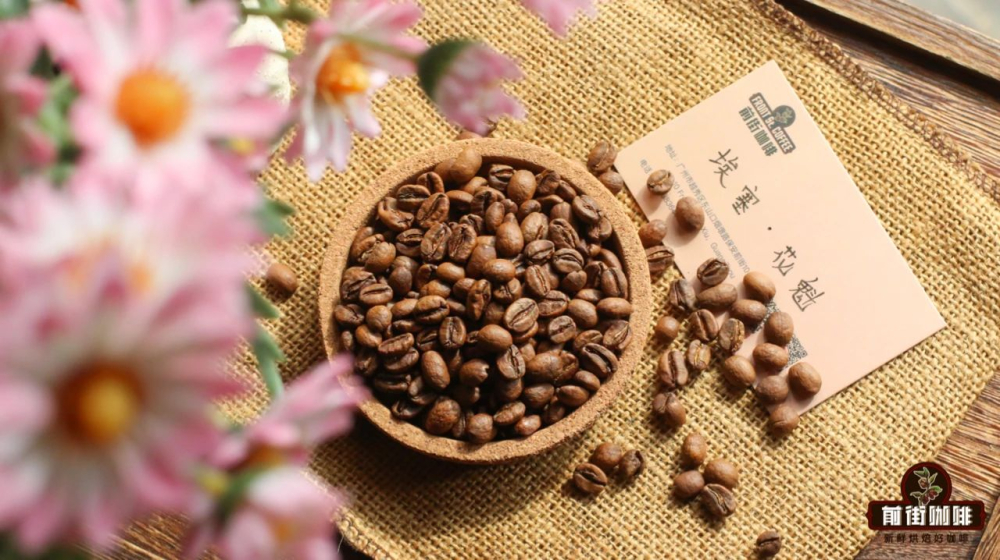
There is a wide variety of coffee beans suitable for pour over. Beginners may start with the following classic flavor profiles: if you enjoy fresh floral notes, try Geisha with its tropical fruit and black tea characteristics; if you prefer vibrant acidity and berry notes, Kawehu (Hua Kui) coffee with its red tea and berry tones is a great choice; for those seeking balanced sweetness, acidity, and bitterness with a clean and bright mouthfeel, the stable-flavored Red Bourbon is recommended; if you’re drawn to a rich and full-bodied taste, go for Golden Mandheling, which undergoes multiple screenings with extremely low defect rates, offering pure aroma and long-lasting aftertaste. These beans can all be purchased from professional roasters and are usually shipped within five days of roasting to preserve optimal freshness.
The barrier to entry for manual coffee brewing is actually not high. As long as you master the correct process, even beginners can brew a cup of coffee with their own personal touch. Next, we’ll walk you through the key aspects of pour over, from equipment selection and brewing steps to parameter adjustments.
Basic Brewing Equipment Preparation
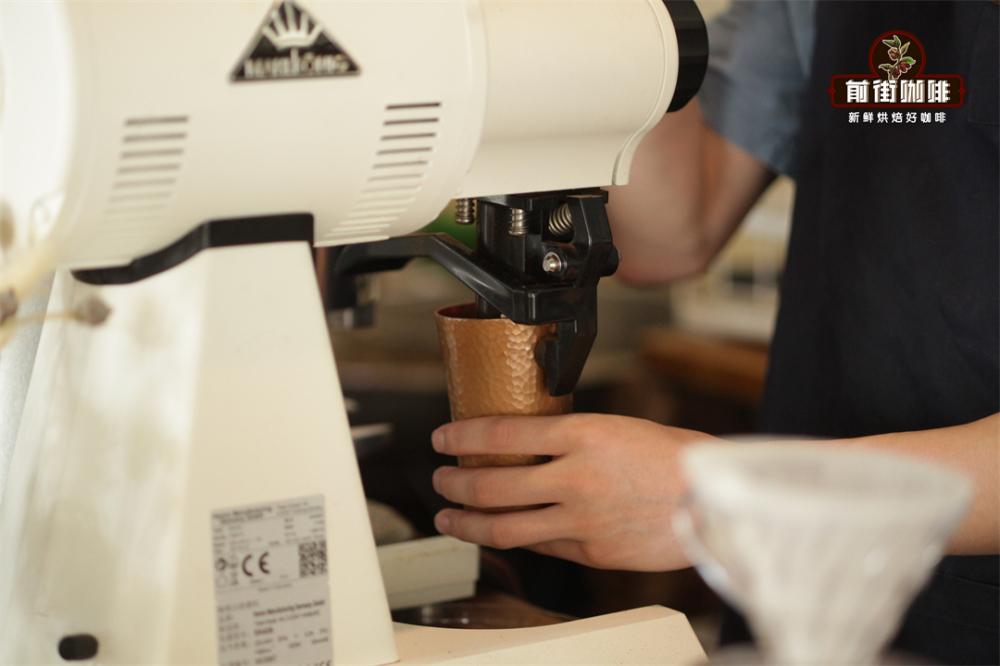
For beginners, pour over equipment doesn’t need to be comprehensive right away—just equip yourself with a few core tools and gradually add more based on your needs. First is the grinder: it’s recommended to use a manual or electric grinder with good grinding uniformity. While price isn’t the sole determinant of grind quality, consistent grind size is the foundation for stable extraction.
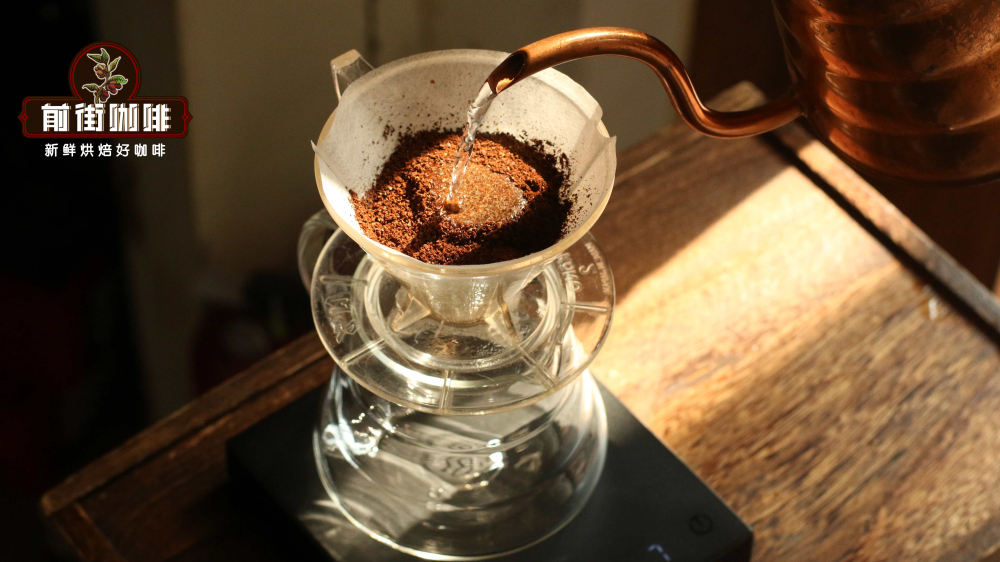
Next is the scale. It’s advisable to choose one that measures accurately to 0.1 gram, which helps precisely control the coffee-to-water ratio, thereby stabilizing extraction yield and flavor expression. For the pour over kettle, beginners can start with a narrow-spout kettle, whose design aids in stabilizing the water flow and controlling pouring speed, and can even influence the expansion of the coffee bed. As for the filter cone, there are more options: whether fan-shaped, conical, or other designs, understanding the extraction principle will allow you to use any shape effectively.
As for filtration materials, common options include paper filters, cloth filters, and metal mesh filters. Paper filters are the most commonly used—they are disposable for easy cleaning, effectively filter out coffee grounds and some oils, resulting in a clearer coffee liquid. If you’re looking for different taste experiences, you can later try metal or cloth filters.
Detailed Explanation of Pour Over Coffee Extraction Method
Before starting the brew, prepare a kettle of hot water and weigh about 15 grams of freshly roasted coffee beans. It’s recommended to grind them to the fineness of fine sugar (approximately 80% passing through a #20 sieve). The suggested coffee-to-water ratio is 1:15 or 1:16, which can be fine-tuned according to personal taste.
The extraction steps are as follows: first, place the paper filter in the filter cone and rinse it with hot water to remove the paper taste and preheat the equipment, then discard the rinse water. Next, put 15 grams of coffee grounds into the filter cone, reset the scale to zero, and begin the first pour—add about 30 grams of hot water for a 30-second bloom. Pour with a small stream, circling from the center outward to ensure the coffee bed is evenly saturated, and start the timer.
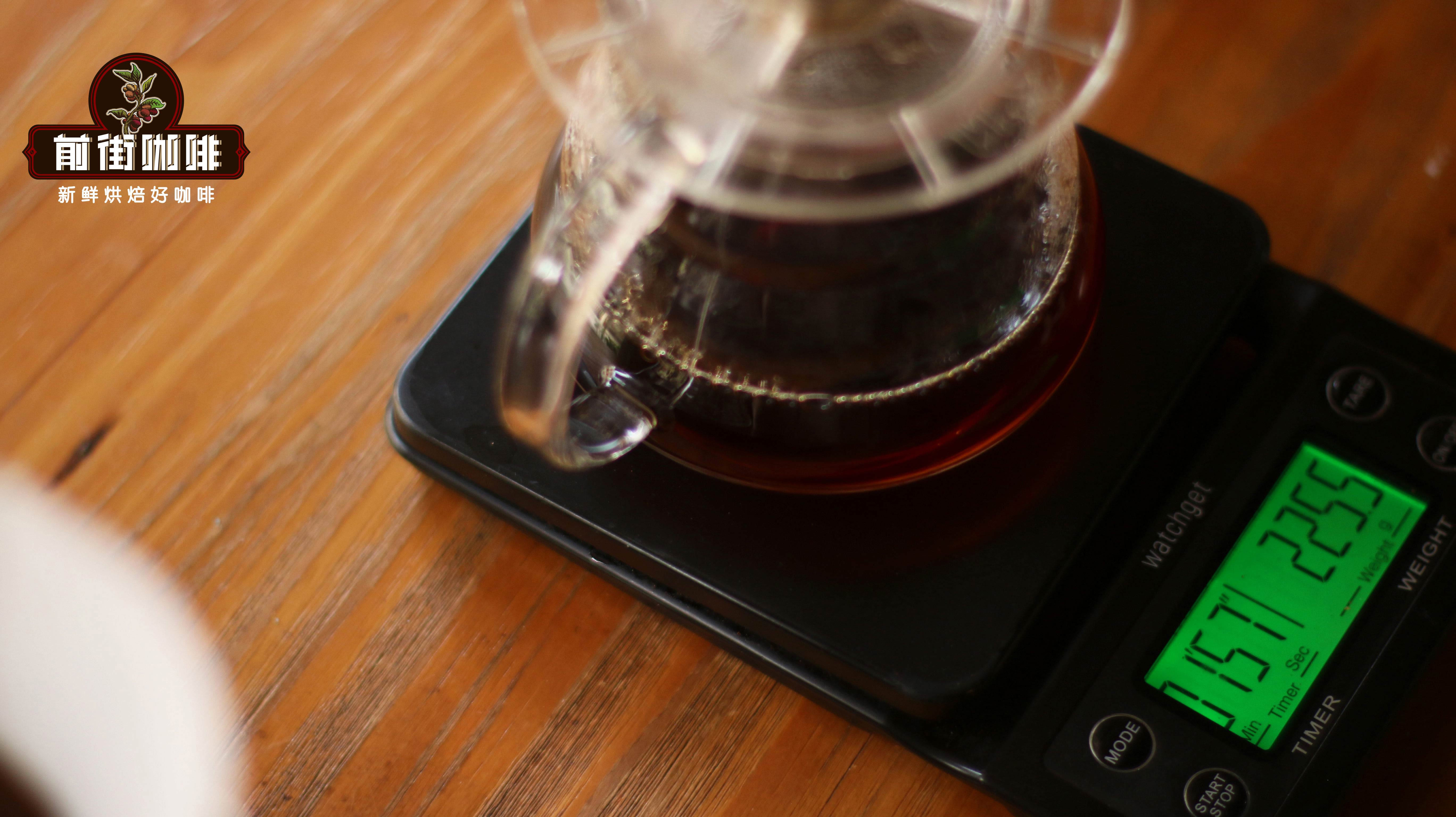
For the second stage, switch to a slightly larger stream and pour 120 grams of water. This stage aims to lift the coffee bed and allow the water to evenly penetrate. Maintain a vertical and even pour; the total water added at this point is 150 grams, completed around the 55-second mark. When the liquid level drops to about half, begin the third pour—use a fine stream to pour 90 grams of water in small circles, controlling the pour area to avoid excessive agitation of the coffee bed, which could lead to uneven extraction. The final total water volume is about 240 grams, and the entire extraction process takes approximately 2 minutes and 10 seconds. After removing the filter cone, gently swirl the server to mix the coffee liquid evenly, and it’s ready to enjoy.
The resulting Geisha coffee typically exhibits elegant notes of rose, citrus, and strawberry, paired with a soft black tea-like finish. Its flavor layers unfold richly as the temperature changes, delivering a smooth mouthfeel and a long-lasting aftertaste.
Impact of Different Parameters on Pour Over Flavor
For beginners, mastering pour over speed, water temperature, and timing requires some practice. These parameters directly affect the coffee’s strength, acid-sweet balance, and clarity. Through continuous experimentation, you’ll gradually learn to adjust the optimal extraction recipe based on the roast level, origin characteristics, and personal preferences of different coffee beans, ultimately finding your ideal cup of coffee.
The above content is compiled by CoffeeHunters, a coffee news website.


