







Introduction:For those new to coffee, facing the dazzling array of coffee beans on the shelves can often leave you unsure where to start. This article will guide you from determining the freshness of coffee beans, to an in-depth analysis of how roast dates, processing methods, and roast levels affect flavor, and will recommend several popular coffee beans suitable for different taste preferences — from bright fruity acidity to rich and bold profiles. Each is accompanied by a detailed flavor description and recommended audience, helping you easily find your own perfect match. Finally, we’ll also remind you to pay attention to the brewing suggestions on the packaging to ensure every cup brings out the best possible flavor.
Stepping into the world of specialty coffee, choosing the right coffee bean is the first essential step for every beginner. Faced with so many options, it’s common to hesitate: how do you choose beans that are both fresh and to your taste? In fact, just by mastering a few key points, you too can easily select your own “cup of coffee.”
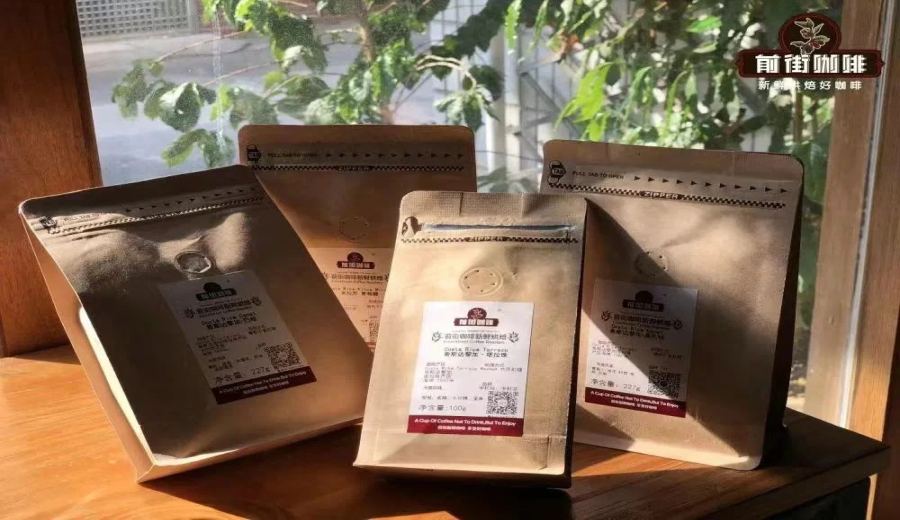
First, take a look at theroast dateon the packaging — it’s the first step in determining whether the coffee beans are fresh. This date indicates when the beans were roasted, and the “optimal flavor window” for coffee beans is generally within about 40 to 50 days after roasting. Beyond this period, even if the brand is well-known, the beans may have lost their vibrancy due to aging, resulting in weaker aroma or even woody off-flavors. If you want to experience the most lively and vibrant flavors of coffee, it’s recommended to choosebeans roasted within 10 days— this stage usually offers the most distinct and layered flavors.
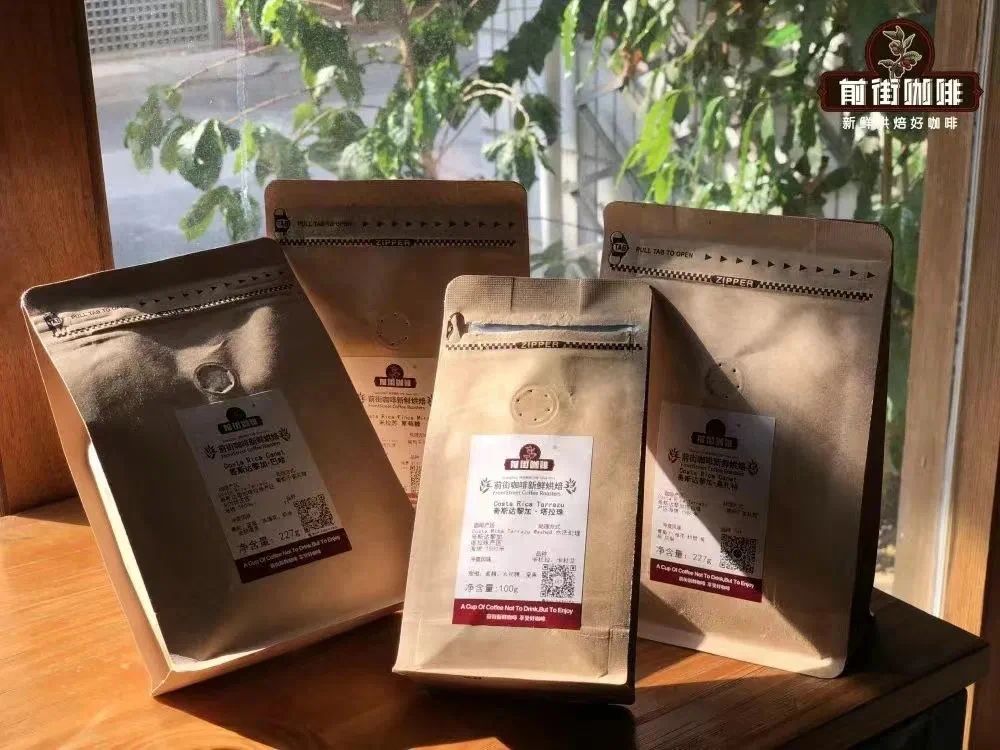
Besides the roast date,choosing a reputable roasting brandis also a crucial step. A stable and quality-focused roaster not only ensures the beans are roasted under optimal conditions but also provides clear information about the roast and brewing recommendations. Some brands can even roast and ship within a short time frame to ensure consumers receive beans with very high freshness — which is especially important for coffee enthusiasts seeking complex flavors.
Next, let’s take a look at how processing methods and roast levels affect flavor. Different raw bean processing methods, such as natural (sun-dried), washed, honey, or wet-hulled, greatly influence the final flavor profile of the coffee. Generally speaking,light roaststend to highlight fruity and floral notes but may come with more pronounced acidity;medium roastsusually offer a balanced acidity, sweetness, and bitterness, making them suitable for most palates;dark roastsemphasize nutty, chocolatey, and caramel flavors with a noticeable bitterness but lower acidity, making them ideal for those who prefer a bolder taste.
Below, based on market sales data and consumer taste preferences, we’ve compiled several popular coffee beans ranging from bright fruitiness to rich boldness, sorted by flavor characteristics to help you quickly find the one that suits you.
NO.1 Ethiopian Natural: A well-known brand’s Huakui Coffee Beans
These naturally processed coffee beans exude a rose-like aroma along with bright strawberry-like acidity, and a hint of brandy-like wineiness in the finish. The overall fruitiness is rich and layered. However, due to its pronounced acidity,it is not recommended to brew using espresso machines or mocha pots— pour over brewing better showcases its delicate characteristics.

NO.2 Costa Rica Black Honey Process: A well-known brand’s Blackberry Coffee Beans
Processed using the black honey method, these beans present a sweet profile blending longan, grape, and honey, paired with gentle floral notes. They have a smooth and mellow mouthfeel with a long-lasting aftertaste — ideal for coffee lovers who enjoy sweetness and complexity without excessive acidity.
NO.3 Brazil Semi-Washed: A well-known brand’s Cerrado Red Bourbon Coffee Beans
These beans are representative of a nutty profile, with prominent chocolate and nut aromas. They are not very bitter and are great for adding milk or sugar, or as an excellent base for coffee desserts.
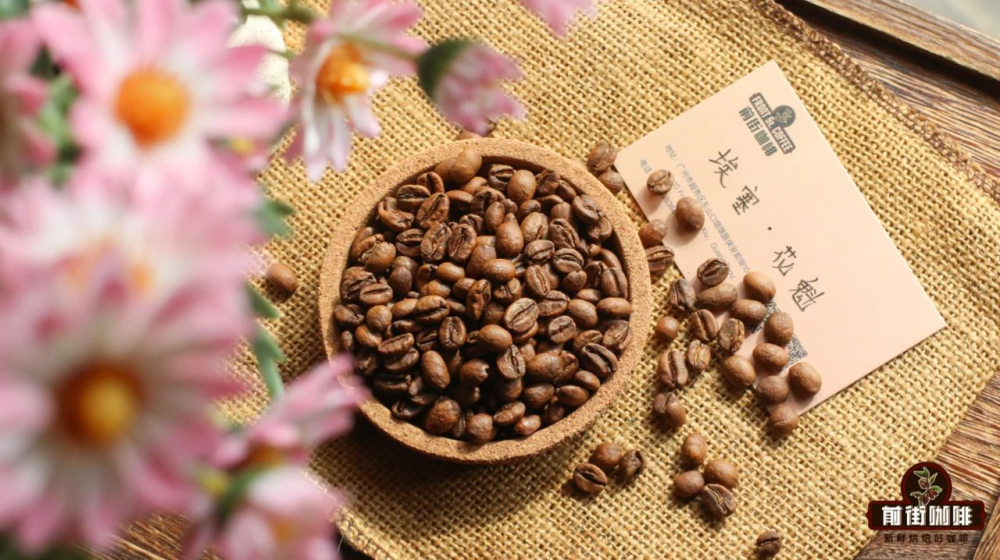
NO.4 Indonesian Wet-Hulled: A well-known brand’s PWN Golden Mandheling Coffee Beans
Originating from Indonesia, the Golden Mandheling is processed via wet hulling. It retains the classic bold body of Mandheling while reducing overly intense herbal or earthy notes, instead highlighting sweet notes of dark chocolate and caramel. It’s perfect for fans of pure black coffee.
NO.5 Fruity Espresso Blend: A well-known brand’s Strawberry Candy Espresso Beans
This is a blend designed for espresso machines or mocha pots. It has low acidity, high concentration, and nutty-chocolatey tones, particularly shining when paired with milk to deliver a smooth and creamy texture.
NO.6 Everyday Espresso Blend: A well-known brand’s Classic Espresso Beans
This classic blend is well-balanced and easy to drink, with neither strong acidity nor bitterness. It offers a soft sweetness and chocolatey flavor, suiting both milk and black coffee preparations. It's very beginner-friendly and works for both hot and cold drinks.
NO.7 Bold Fermented Fruitiness: A well-known brand’s Sidamo Coffee Beans
These beans feature aromas of passionfruit, grape, apricot, and citrus, with a fruity sweet-wine-like aftertaste. They are well-suited for cold brew or iced coffee, and are especially loved by those who enjoy fermented flavors or fruity profiles.
Finally, remember not to overlook thebrewing suggestionson the packaging. This information typically includes parameters such as grind size, water temperature, coffee-to-water ratio, and brew time. Following these guidelines can significantly improve your brewing success rate, helping you master the art of a great cup of coffee more quickly. For beginners, it’s recommended to start with medium-dark roasted beans, which usually showcase more of the beans’ inherent characteristics and are generally easier to appreciate.
The above content is compiled by CoffeeHunters, a coffee news website.


