







Introduction:How has the evolution of coffee varieties in Yunnan—from early introductions of Typica to today’s dominant Catimor—shaped its unique flavor profile? This article delves into the introduction history of mainstream varieties, compares the fundamental differences between Catimor and Robusta, and analyzes current flavor expressions through altitude and cultivation management. We also carefully selected four representative washed and natural processed beans, providing a comprehensive practical guide from variety identification to brewing references.
Yunnan coffee has become an important piece of the global specialty coffee map in recent years, but the diversity and evolutionary journey of its varieties are often overlooked. From the first Typica seedlings brought by French missionary Father Timothée in 1904 to the Catimor lineage that now accounts for over 90% of planted areas, each stage of variety selection has profoundly influenced the final cup. This article systematically dissects the development trajectory of Yunnan’s main coffee varieties, helping you understand the key factors behind the flavors.
The earliest Typica to take root in Yunnan originated from seedlings brought by French missionary Father Timothée from Vietnam to Zhugula Village in Dali in 1904. As one of the oldest Arabica varieties in the world, it is known for its bright acidity and clean taste. However, although it performed excellently in early plantings, Typica gradually exited the mainstream due to its lower yield and weaker disease resistance compared to later introduced varieties.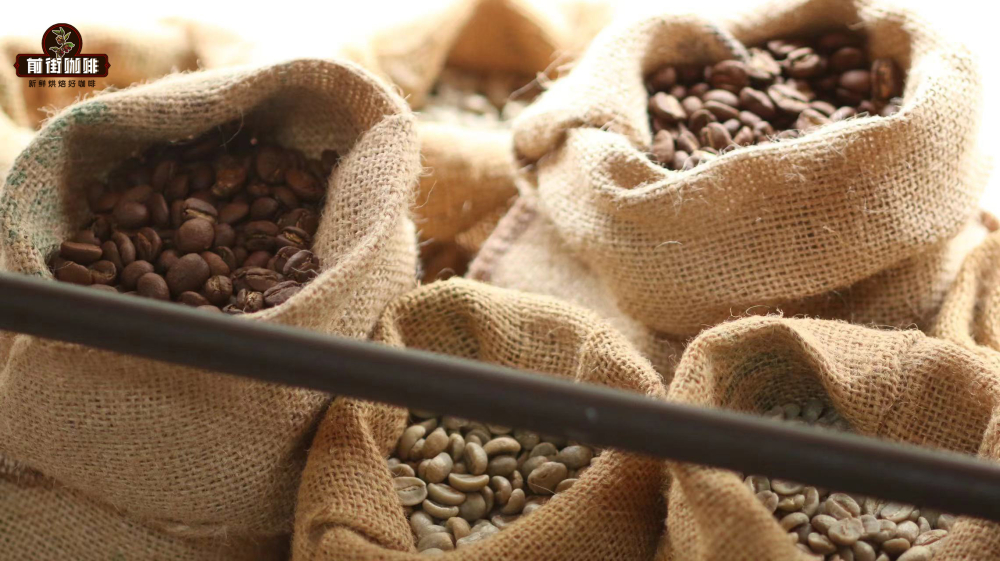
The current dominant variety in Yunnan’s coffee fields, Catimor, is actually the result of multi-generational hybrid improvement. The widely circulated CIFC7963, P-series (P1-P4), T5175, and T8667 lineages all stem from different research backgrounds: the 7963 lineage, introduced by Nestlé in 1988 from Portugal’s Coffee Rust Research Center (CIFC), was selected and bred by the Dehong Tropical Agriculture Science Research Institute and subsequently trial-planted in Hainan, Baoshan’s Luxi Dam, and other regions; the P-series (corresponding to original codes 7960-7963), added in 1991, with the highest-yielding P4 becoming the main promoted variety in Pu’er from 1994 onward. Additionally, T5175 and T8667, introduced from Central America in 1994, were trial-planted in Pu’er but showed inferior yield performance compared to 7963. Notably, over 90% of Yunnan’s coffee trees now belong to the Catimor lineage, which was originally positioned as raw material for instant coffee, hence its flavors are often described as low in acidity, with prominent nutty notes, accompanied by cocoa and slight earthy characteristics.
Beyond the mainstream varieties, Yunnan has also seen small amounts of other ancient lineages. In 1981, Professor Ma Xijin’s survey of ancient coffee forests around Zhugula Village found that red-topped Typica accounted for 31%, while green-topped Bourbon made up 69%, suggesting early introductions may have included mixed varieties. As a high-quality Arabica on par with Typica, Bourbon currently has an even smaller planting scale in Yunnan than Typica. Over the past decade, foreign varieties such as Geisha, Caturra, and Catuai have also been introduced for research, but limited by altitude (generally around 1100 meters) and cultivation management standards, their flavor performance has yet to reach international specialty-grade standards.
When delving into variety characteristics, it’s impossible to ignore the fundamental impact of their genetic background on flavor. Catimor is actually a further hybrid of Timor (a Robusta-Arabica cross) and Caturra (a Bourbon variant), meaning its genome contains only 25% pure Arabica lineage—this is the key reason why Yunnan coffee has long struggled to break through in flavor complexity. In contrast, Typica and Bourbon, as pure Arabica varieties, theoretically have the potential to produce richer aromatic molecules, but are limited by planting area and yield, making it difficult for them to become market mainstreams.
To evaluate the overall flavor progress of a producing region, focusing on the most common everyday beans often provides more reference value than a single specialty case. Practical experience indicates that the three core elements for improving coffee flavor can be summarized as: suitable terroir (between the Tropic of Cancer and Capricorn, ideally above 1200 meters in altitude), excellent varieties (prioritizing pure Arabica), and scientific cultivation management (combining modern agronomy and green farming practices). In Yunnan’s current context, although southern regions meet basic latitude conditions, high-altitude suitable planting areas remain limited, and most coffee farms still operate on smallholder-intensive models. Compared to specialty coffee benchmarks like Panama’s Boquete region, there is still a significant gap in capital investment and technical intensity.
On an actual tasting level, the following four Yunnan beans from different producing regions and processing methods can help consumers directly perceive the interplay between variety and craftsmanship: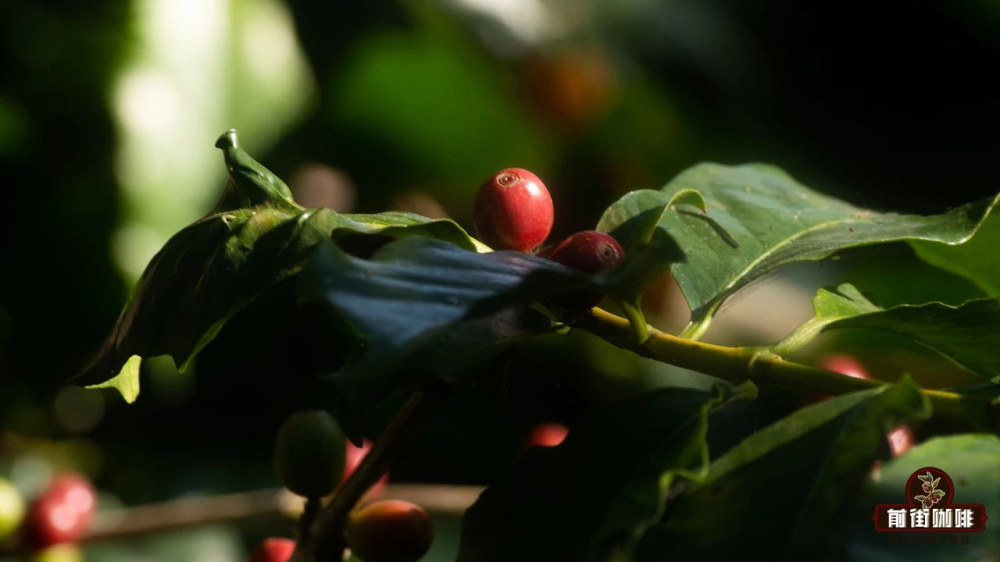
【Yunnan Small Bean Coffee (Baoshan Producing Region)】
Elevation: 1200 meters | Variety: Catimor | Processing Method: Washed
Flavor Profile: Melon, cantaloupe, brown sugar, plum acidity, black tea-like
As a representative offering from Baoshan’s Luxi Dam, this washed Catimor fully showcases the foundational flavor profile of the producing region and is suitable as an introductory benchmark for getting to know Yunnan coffee. Recommended pour over parameters: medium-fine grind (Chinese standard 8-10 sieve), water temperature 90-92°C, brew ratio 1:15.
【Yunnan Natural Catimor (Baoshan Producing Region)】
Elevation: 1450-1550 meters | Variety: Catimor | Processing Method: Natural
Flavor Profile: Nuts, chocolate, spices, caramel, red berries
Using a full-red-fruit natural process, this selection features ripe coffee cherries with outstanding sweetness. Particularly suitable for those who prefer bold flavors, recommended for cold brew or French press.
【2013 Typica (Baoshan Producing Region)】
Elevation: 1200 meters | Variety: Typica | Processing Method: Washed
Flavor Profile: Plum, brown sugar, cantaloupe, Pu’er tea
This washed Typica from Baoshan’s Luxi Dam, compared to Catimor at the same elevation, exhibits brighter acidity and a cleaner mouthfeel. Often described during cupping as having a “mountain of fruits” imagery, it’s recommended to extend the blooming time to 30 seconds during pour over to fully release the aroma.
【Yunnan·2013 (Lincang Producing Region)】
Elevation: 1300 meters | Variety: Typica | Processing Method: Natural
Flavor Profile: Dried apricot, plum, brown sugar, chocolate
This Typica, originating from trial plantings starting in 2013, uses a full-red-fruit natural process to enhance sweetness. The producing region borders Myanmar, and its pristine environment helps reduce pest and disease interference. During cupping, pay attention to the layered transition between dried apricot and brown sugar.
The above content is compiled by CoffeeHunters, a coffee news website.


