







Introduction:Have you ever seen an option to "upgrade to SOE at an additional cost" when ordering coffee at a café? SOE (Single Origin Espresso) has garnered significant attention in recent years, but do you truly understand its characteristics and the brewing methods it suits best? This article will delve into the differences between SOE and regular blends, taking you through flavor profiles, roast curves, and practical extraction parameters to deeply explore the advantages and limitations of SOE. We’ll also analyze its performance in Americanos and lattes to help you find your ideal coffee match.
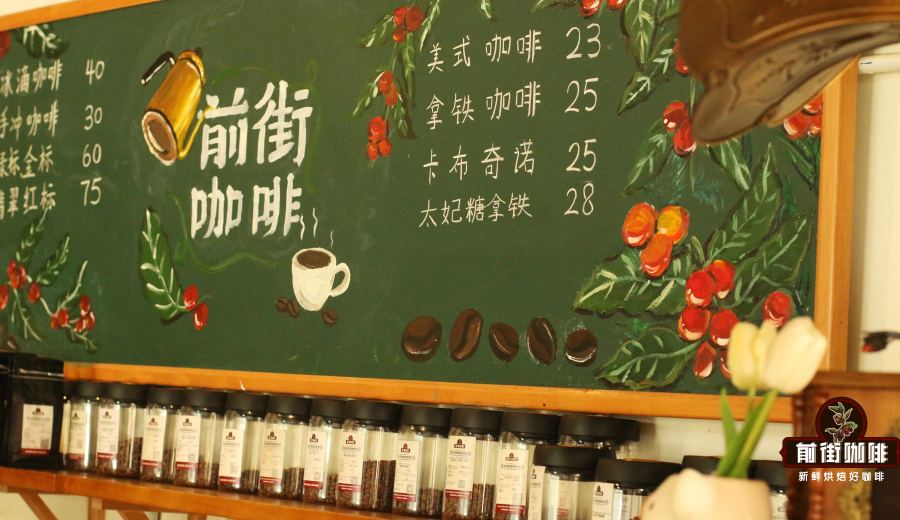
When you walk into a coffee shop, you might often see a note in the corner of the menu saying "Upgrade to SOE for +3 RMB." This "SOE" stands for "Single Origin Espresso," which refers to espresso made from coffee beans sourced from a single origin. Unlike common espresso blends, SOE emphasizes showcasing the unique flavor characteristics of a specific region—such as bright acidity, rich floral notes, or even distinctive sweetness and aftertaste. But is SOE really suitable for everyone? How should it be roasted and brewed to bring out its optimal flavors? This article will give you a comprehensive understanding.
The rise in popularity of SOE stems from the growth of specialty coffee culture. In the early days, blends were primarily designed to balance stable flavor output with cost control, often mixing beans from multiple countries or different regions. However, as consumers’ demand for coffee flavors has increased, the terroir-driven qualities of single-origin beans have gradually gained recognition—especially in competitions and specialty cafés, where using single-origin beans for espresso has become a new trend.
So, does SOE equate to specialty coffee? The answer is actually no. The definition of specialty coffee was introduced by Ms. Erna Knutsen back in the last century, referring to high-quality coffee beans grown under unique microclimates and geographical conditions that can express distinct regional characteristics. Single-origin coffee simply means the beans come from one origin, but that doesn’t necessarily mean they meet specialty grade. For example, some single-origin beans from Indonesia or Vietnam may be from a single region, but their cupping scores may not reach specialty standards. Therefore, the SOEs commonly found in coffee shops are usually high-quality specialty-grade single-origin beans, but not all single-origin beans are specialty.
The strength of SOE lies in its ability to highlight the unique flavors of a specific region—for instance, the citrus, floral, and honey notes commonly found in Ethiopian beans, or the nutty, caramel, and chocolate flavors of beans from Central and South America. However, this also means its flavor profile is more susceptible to the impact of processing methods, roast levels, and brewing techniques. Improper roasting can amplify the bean’s flaws, such as excessive sourness or flat taste. Therefore, to roast a high-quality SOE, it’s essential to develop a customized roast curve based on the bean variety, origin characteristics, and desired flavor profile, rather than simply applying the same approach used for blends.
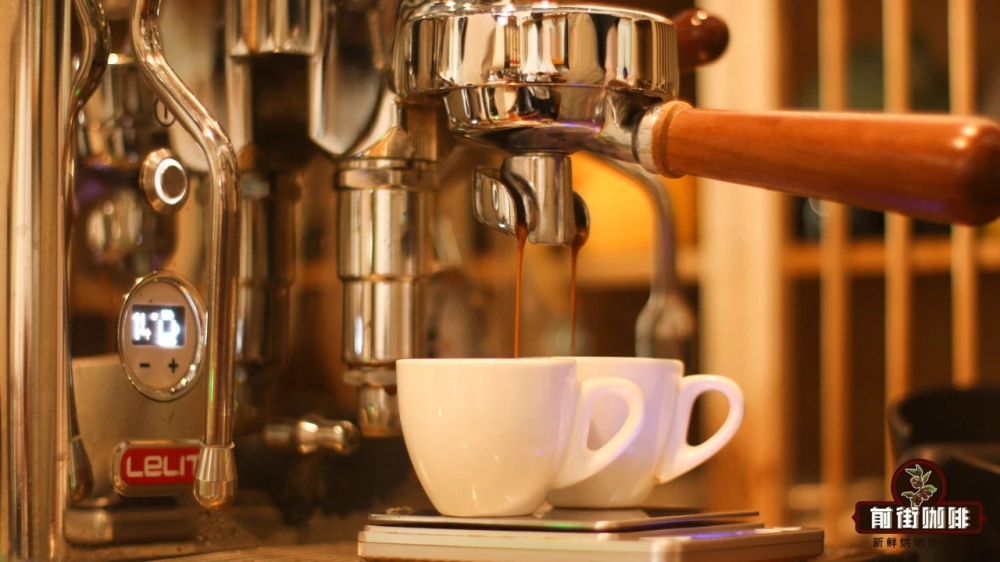
In practical extraction, the standard coffee-to-water ratio for SOE is recommended to be 1:2, with an extraction time controlled between 25 to 35 seconds. The specific grind size depends on the flow rate. For example, using 20 grams of Huakui SOE coffee beans, you can extract 40 grams of espresso. If the flow rate is too fast (extraction time is too short), it indicates the grind is too coarse and needs to be adjusted finer; if the extraction finishes around 30 seconds, it’s usually ideal. At the same time, since SOE is often used to make flavored coffees like Americanos or lattes, slight adjustments should also be made before brewing based on flavor characteristics to enhance or balance its expression.
For example, for medium to light roasted Ethiopian SOEs, such as those processed with natural sun-drying methods, the flavors are dominated by fruit acidity and floral notes, but they may sometimes lack sufficient body or crema. In such cases, you can increase the coffee dose by 0.3 to 0.5 grams, or slightly extend the extraction time to boost the aroma intensity. If you’re using a Central or South American SOE with fermented flavors—like Colombian Geisha (using double anaerobic sun-dried processing)—its blueberry and passionfruit notes will be more pronounced. You can increase the extraction yield by 3 to 5 grams to make the Americano’s sweetness and aftertaste richer. Conversely, if you’re making a latte, you can reduce the milk ratio to let the coffee aroma stand out more.
On the other hand, if you’re using a medium to dark roasted SOE—such as beans from Brazil or certain South American regions—the flavors tend to lean more toward nuts, dark chocolate, and low acidity. But if you detect negative notes like smokiness, charred flavors, or dry hay, it may be due to over-extraction. In this case, it’s recommended to reduce the extraction yield by 3 to 5 grams to avoid an unpleasant aftertaste. If the coffee aroma is weak, the aftertaste is short, and the acidity is prominent, it could be under-extracted. In that scenario, try adjusting to a finer grind and extending the extraction time by 2 to 3 seconds to achieve a more balanced taste.
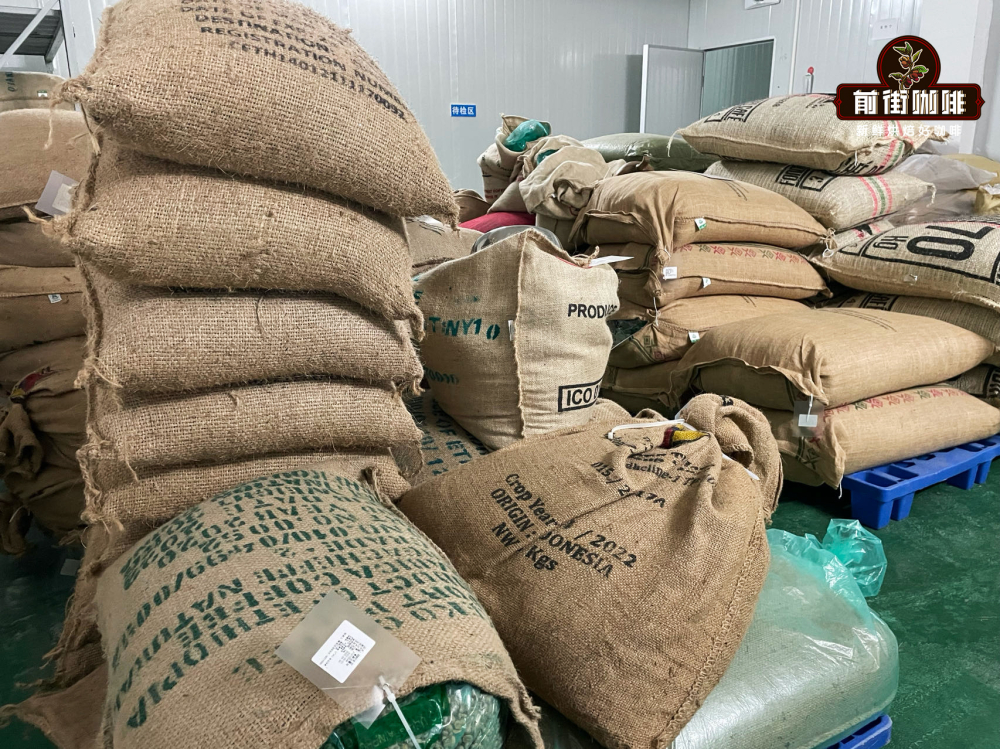
Additionally, the processing method can significantly influence the final flavor of SOE. Techniques such as natural sun-drying, honey processing, or anaerobic fermentation can impart richer fruit aromas and sweetness. For example, an Americano made from Colombian Geisha SOE often features distinct notes of blueberry and grape. Meanwhile, another Colombian bean processed with anaerobic sun-drying—like Dabuzhi—when made into a latte, showcases soft layers of orange, nuts, and milk candy. These processing methods give SOEs more distinctive flavor identities, but they also require more precise control over roasting and extraction.
In summary, when choosing SOE coffee beans, it’s important to consider not only the origin and processing method, but also whether the roast level and brewing method align well. Whether you prefer the bright acidity of Ethiopian beans, the rich fruitiness of Central and South American beans, or the low-acid balance of Asian beans—as long as you master the roast curve and extraction parameters—you can enjoy the unique coffee experience that SOE offers. Next time you see the "upgrade to SOE" option at a café, you’ll be able to make a more confident choice.
The above content is compiled by CoffeeHunters, a coffee news website.


