








Introduction:Want to brew a shot of espresso with rich crema and bold flavors using a moka pot? This article delves into the key elements of operating a moka pot, including the appropriate flame intensity, metal body design, and heating methods. It also provides a detailed guide on coffee bean roast level, grind size, coffee bed tamping, and water volume control — helping you easily master this classic Italian espresso tool.
The moka pot is the go-to choice for many coffee enthusiasts entering the world of espresso. Not only is it affordable, but it also has a relatively low learning curve, allowing you to enjoy strong coffee flavors without an expensive semi-automatic espresso machine. Even though it’s hailed in Italy as “the everyday tool of housewives,” truly mastering its use still requires understanding some basic principles and practical tips. This article will explore flame strength, pot material, and heating methods, and extend to topics such as coffee bean selection, grind size, coffee filling method, coffee-to-water ratio, and the timing of turning off the heat — ensuring you brew a fragrant, crema-rich cup of coffee with confidence.

There’s no absolute answer to what kind of coffee beans are best for a moka pot, but there are recommended directions. In China, many coffee enthusiasts focus on origin, variety, and roast profile, but in other parts of the world, especially Europe and America, many consumers simply pick coffee beans from supermarkets, paying more attention to brand, suitable brewing method, and flavor profile. Especially in Italy, many brands offer coffee grounds specifically designed for moka pots — for example, the well-known coffee brand illy produces pre-blended coffee grounds tailored for moka pot use. Therefore, if you want to brew ideal coffee with a moka pot,the key is to choose medium-dark roasted and freshly roasted coffee beans. Medium-dark roasts bring out intense chocolate, nut, and caramel aromas and are suitable for high-pressure, fast extraction, which can effectively produce a crema layer.
The moka pot mainly consists of three parts: the lower chamber holds the water, the middle funnel holds the coffee grounds, and the upper chamber collects the brewed coffee. Its working principle is that heating the water in the lower chamber generates steam pressure, forcing the hot water through the coffee grounds and eventually extracting espresso into the upper chamber. This process is a form of high-pressure, fast extraction, so even slight differences in extraction conditions can lead to significantly different flavor outcomes. To achieve coffee with fine crema and a rich mouthfeel, it is recommended to choosefreshly roasted medium-dark roast coffee beans, which not only steadily release aroma but also help form a thick crema.

Next is the grind size of the coffee — one of the critical factors affecting whether your moka pot extraction is successful. It is suggested to adjust the grind size to be between 0.3 to 0.55 millimeters, similar in texture to fine sugar or table salt. If the grind is too coarse, water flows through too quickly, resulting in under-extraction, weak coffee flavor, and possible bubbling overflow; if the grind is too fine, water flow is severely restricted, not only often causing a continuous “whistling” boiling sound from the moka pot, but also risking danger due to excessive pressure. It is recommended to test 3 to 5 times to find the most suitable grind size for your specific moka pot. If you don’t have a grinder, although you can opt for a grinding service, be aware that pre-ground coffee has a shorter aroma shelf life, which will impact final flavor and crema performance.
The way you fill the coffee grounds also affects extraction evenness and pressure stability. Overseas YouTubers such as “Sono Meng” have shared that many Italian families typically pour the coffee grounds loosely into the funnel without compacting them, letting the coffee bed form a naturally slightly raised mound in the center, then simply screwing on the top chamber. This method maintains proper flow rate and pressure, avoiding channeling caused by over-tamping. Also, ensure the threading area between the top and funnel is clean and free of leftover grounds to ensure a proper seal. This filling technique is simple and effective, not only helping maintain stable extraction pressure but also enhancing crema performance. Beginners are encouraged to give it a try.
Water volume control is equally crucial. Unlike pour over or French press, the moka pot doesn’t have strict standards for coffee-to-water ratio. Generally, it is advised to keep the water level about0.5 centimeters below the safety valve. For example, if the water level is 0.5 cm below the valve — around 100 grams of water — paired with 20 grams of coffee, that forms a 1:5 coffee-to-water ratio. If you’re making just half a pot, you can proportionally reduce the amounts — for instance, 15 grams of coffee to 60 grams of water, with the water level about 1 cm below the valve. Additionally, when using a smaller amount of coffee, it is recommended to gently tap the funnel to let the coffee grounds settle naturally, then lightly press with the back of a spoon to make the coffee bed more compact and prevent splashing during heating. Using hot water instead of cold water also helps shorten the extraction time and reduces the risk of over-extraction.
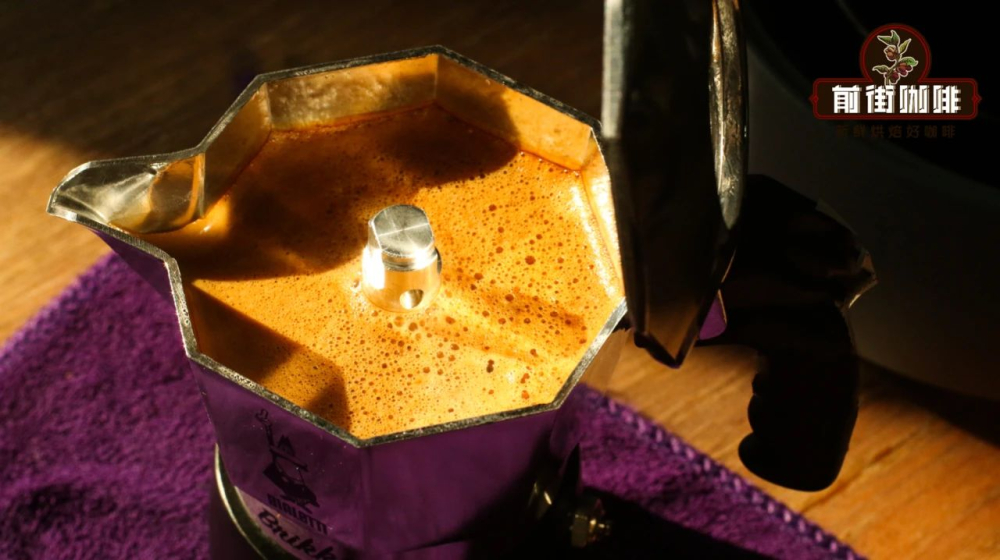
Finally, knowing when to turn off the heat is also part of determining the final coffee flavor. It is recommended to use a heat source with stable flame control such as a gas stove or halogen stove, keeping the flame at medium level. When you hear a “whistling” pressure sound from inside the pot and observe the first drops of coffee beginning to fall from the upper chamber, that’s the best time to turn off the heat. Waiting until the water fully boils or the coffee gushes out before turning off the heat may lead to over-extraction and a noticeably burnt, bitter taste. Moreover, since moka pots are mostly made of metal, the pot body gets extremely hot after heating. Always use an insulating cloth or wet towel to protect your hands during handling to avoid burns. If you notice a “whistling” sound but no coffee is flowing, the spout might be blocked — turn off the heat immediately and check to prevent dangerous pressure buildup.
The above content is compiled by CoffeeHunters, a coffee news website.


