







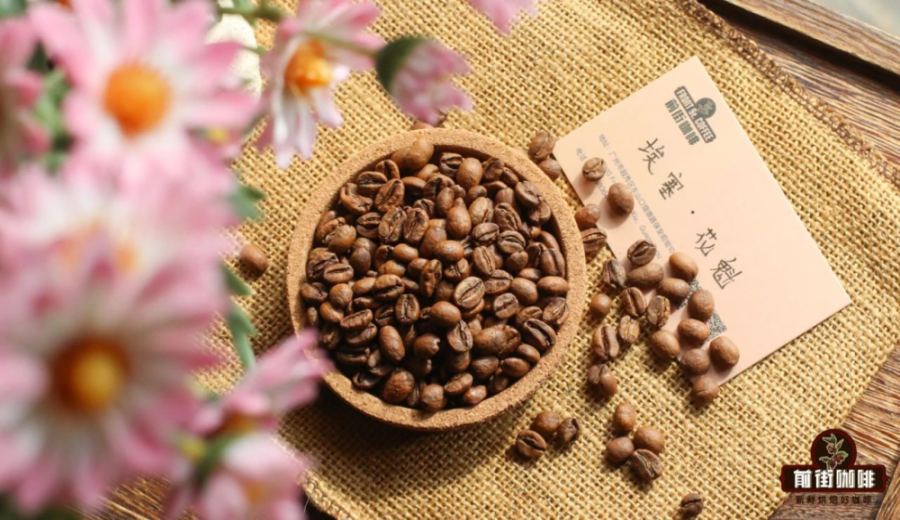
Introduction:An in-depth exploration of the Huakui G1 natural-processed coffee beans from the Guji-Hambela region of Ethiopia’s Sidamo. From the growing region’s geography and processing methods to flavor characteristics, this article provides a comprehensive introduction to this highly acclaimed specialty coffee. Ideal for coffee enthusiasts who enjoy natural-processed flavors and are seeking high-quality Ethiopian single-origin beans, it helps you understand the background of its championship win and key tasting notes.
Since its debut in 2017, Huakui coffee beans have quickly captured the attention of global specialty coffee lovers with their vibrant juiciness and rich floral and fruity aromas. Produced in the Guji-Hambela sub-region under Ethiopia’s Sidamo province, these beans—renowned for their natural processing and top-tier G1 grade—have long been a classic representation of natural-processed Sidamo. This article will detail Huakui’s growing environment, TOH competition prestige, traditional natural processing techniques, and analyze its flavor profile and roasting recommendations, helping you better understand this highly praised coffee bean.
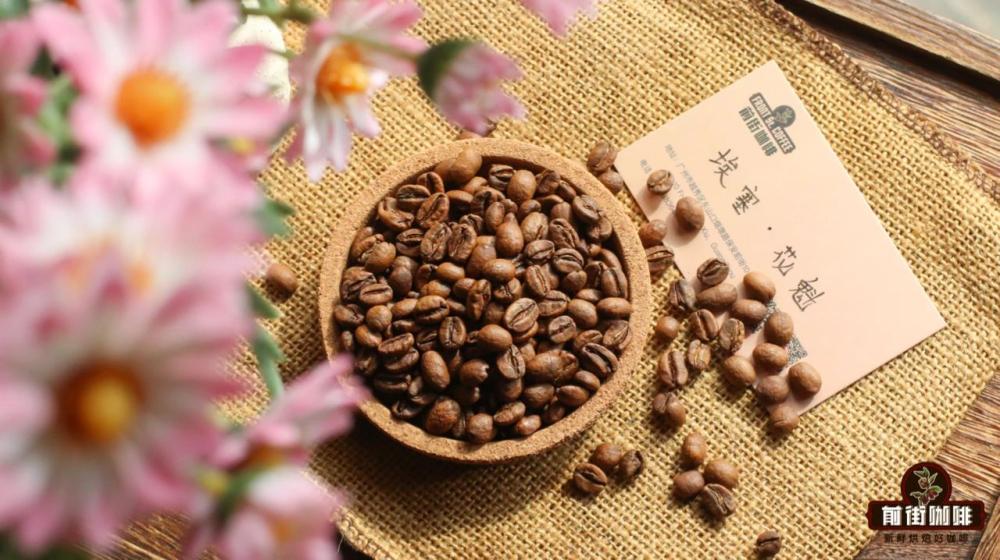 If you’re drawn to a fruit-forward, bright and sweet natural-processed coffee, Huakui is definitely worth a deeper look. Since being entered into competition by Ethiopia’s DW company in 2017 and winning first place, these natural beans from the Buku Abel washing station in Guji-Hambela have gradually made their mark in the global specialty market. Not only have they performed exceptionally well in various domestic and international competitions, but their unique flavors have also won widespread acclaim in the Chinese-speaking market, becoming a staple selection for many coffee shops.
When it comes to Ethiopia, it’s undoubtedly a holy land for coffee lovers. Known as the birthplace of coffee, it boasts numerous renowned growing regions, among which Yirgacheffe and Sidamo are the most famous. Many newcomers often mistakenly assume that the poetic name “Huakui” refers to delicate floral notes. However, its true charm lies in its bold and passionate burst of fruity aromas, rather than just a simple floral profile. Compared to Yirgacheffe—commonly known for its washed process, such as typical washed Yirgacheffe or Guji Diding, which exhibit layers of fresh citrus, lemon, and green tea—Sidamo tends to use natural processing methods, imparting complex flavors such as berries, cream, and subtle fermentation notes.
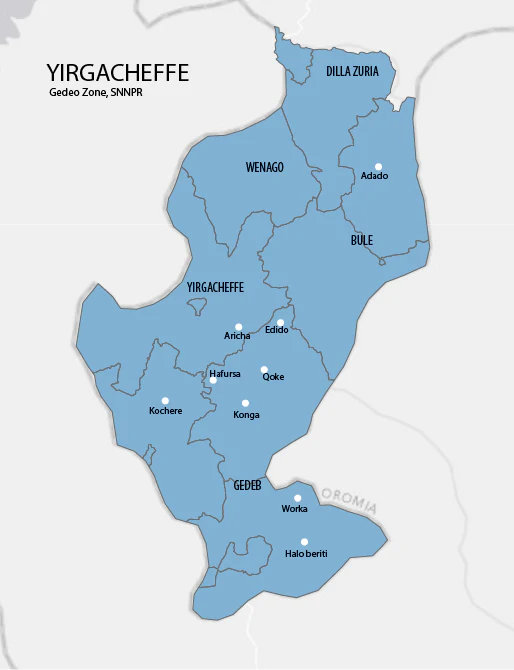 Guji-Hambela, where Huakui originates, is an important sub-region under the larger Sidamo growing area, enjoying exceptionally favorable growing conditions. The soil here is nutrient-rich black clay (Vertisol), with planting altitudes generally exceeding 1,800 meters. Coupled with significant day-night temperature variations, it provides an ideal environment for sugar accumulation and flavor development in coffee cherries. Guji is not only a renowned origin for high-quality specialty beans but also proved its outstanding potential by winning the washed category championship at the 2020 TOH (Taste of Harvest) competition. Huakui is an outstanding representative born out of this context.
In 2017, DW company submitted a batch of natural-processed coffee beans from the Buku Abel washing station in Guji-Hambela to the TOH green coffee competition hosted by the African Fine Coffees Association. The result was a first-place victory in the natural category for the Ethiopian division that year. Subsequently, this batch caught the eye of Chinese green coffee buyers and, after being imported, stood out in multiple evaluations. It even outshone the then-popular Geisha variety, becoming a model of fruity and floral coffees, and was launched on the market under the name “Huakui,” meaning “the foremost of all flowers.”
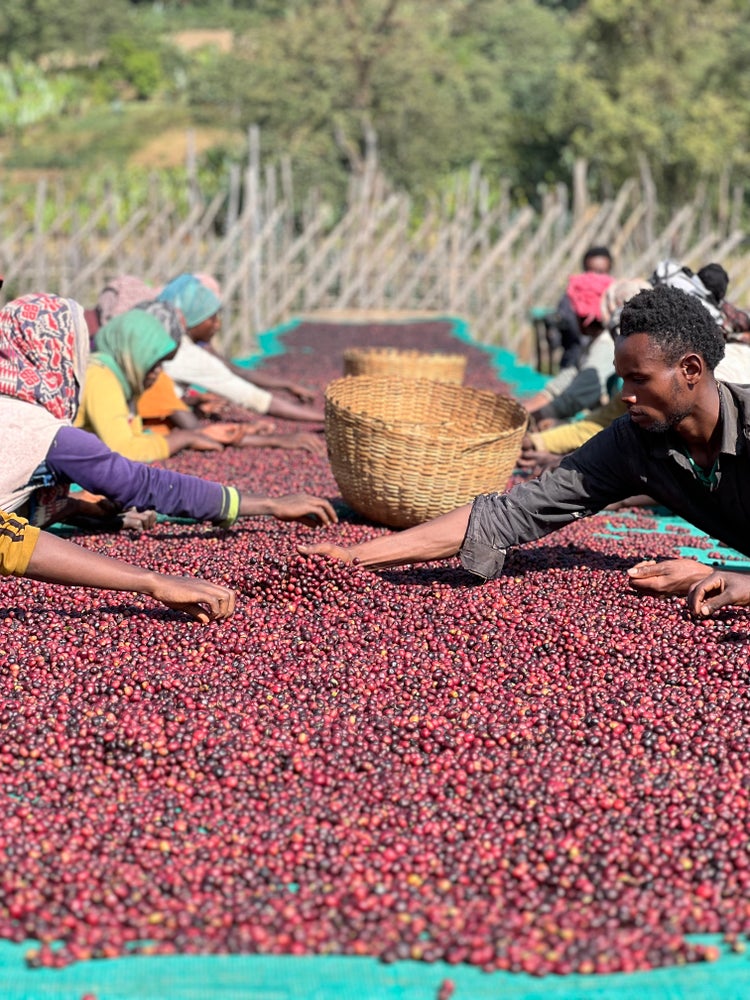
The processing of Huakui coffee beans follows traditional natural methods. To ensure that the coffee cherries do not mold or pick up off-flavors during the 21-day drying period, farmers place the cherries on raised African beds, turning them evenly each day to allow consistent moisture evaporation. Every three to five days during this period, defective or moldy beans are manually removed to maintain batch consistency. Only once the skins are completely dry and hardened are the outer layers removed by a hulling machine, leaving behind the green coffee beans inside. For even higher quality, some beans undergo an additional fine screening to ensure each one meets the optimal standard.
 In terms of quality grading, the Huakui beans introduced here belong to the G1 grade—one of the highest tiers in Ethiopia’s green coffee grading system. According to the defect count standards (for washed beans), a 300g sample with 0 to 3 defects qualifies as Grade 1; 4 to 12 defects is Grade 2. There are nine grades in total, and both G1 and G2 are considered specialty coffee categories. The Huakui natural beans sold are high-quality representatives that meet the strict G1 criteria.
As a star product of African coffee, Ethiopian beans are known for their intense floral notes, clear citrus tones, and transparent layered mouthfeel, making them an excellent choice for entry-level specialty coffee. The industry has long supplied many Ethiopian single-origin options, among which Huakui stands out due to its stable acidity and rich complexity, becoming a favorite natural batch for many coffee enthusiasts. It is generally recommended to roast it at a medium-light level to highlight sweetness while preserving delicate floral and fruity acidity. Additionally, all Huakui beans offered are from fresh batches roasted within five days and come with fast shipping services to ensure the coffee flavors are at their peak.
In cupping evaluations, the dry aroma of natural Huakui reveals a complex blend of nuts, honey, berries, and slight fermentation notes. After brewing, the cup presents a rich balance of passionfruit, cream, and strawberry acidity, with a full body and a lingering cocoa finish that adds depth and persistence to the overall flavor. Whether brewed via pour over or immersion methods, this bean showcases unique layers and vibrant fruity characteristics, making it an essential classic for exploring natural-processed Sidamo.
The above content is compiled by CoffeeHunters, a coffee news website.


