







Introduction:In coffee preparation, the temperature of milk foam not only affects taste but is also directly related to the stability of latte art and the overall flavor presentation. This article delves into the ideal heating range for hot milk coffee, analyzes why milk foam tends to separate and lose its milk aroma when exceeding 70°C, and offers practical temperature control methods combining feel and thermometer use to help you accurately master the optimal temperature range for each type of milk coffee—from lattes to cappuccinos.
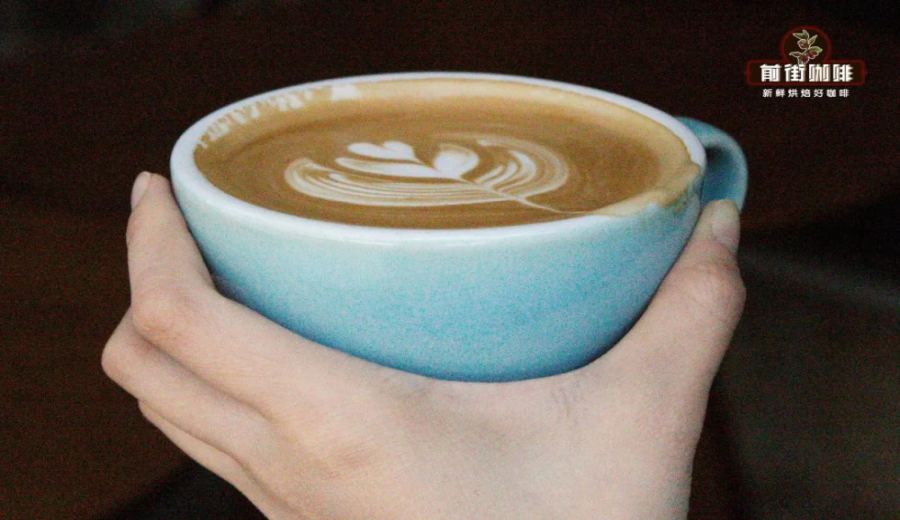
As autumn arrives, hot fresh milk coffee once again becomes the top choice for many coffee enthusiasts. Blending steam-frothed milk with espresso not only delivers a warm mouthfeel but also showcases beautiful latte art through delicate milk foam. However, to achieve aesthetically pleasing latte art and a smooth texture, the heating temperature of the milk is crucial.
In professional coffee preparation, common types of milk coffee such as lattes, flat whites, and cappuccinos generally recommend a milk foam temperature range of55–65°C. This range not only allows the milk foam and the base milk to blend uniformly, forming a fine microfoam structure, but also helps maintain the clarity and longevity of the latte art pattern, while naturally releasing the milk aroma without any off-putting flavors.
This temperature range is considered the golden zone because, within these temperatures, the proteins and fats in the milk remain stable and are not compromised by high heat, thus preserving a smoother and more layered mouthfeel. During the heating process, the milk gradually develops tiny bubbles, forming fine foam. These bubbles mix uniformly with the hot milk, forming the foundation of a well-made milk coffee.
However, if the milk foam temperature exceeds70°C, things start to deteriorate. At this point, while the base milk temperature rises quickly, the porous structure of the surface foam does not heat up evenly due to inconsistent steam heating, leading to a noticeable disconnect between the foam and the coffee liquid. This can cause the latte art to collapse or separate easily, and the drink may taste thin with an unpleasant milky or sour note.
Additionally, excessively high temperatures can alter the protein structure in the milk, further weakening the foam’s stability, resulting in a coarse mouthfeel that affects both drinkability and the overall flavor balance of the beverage.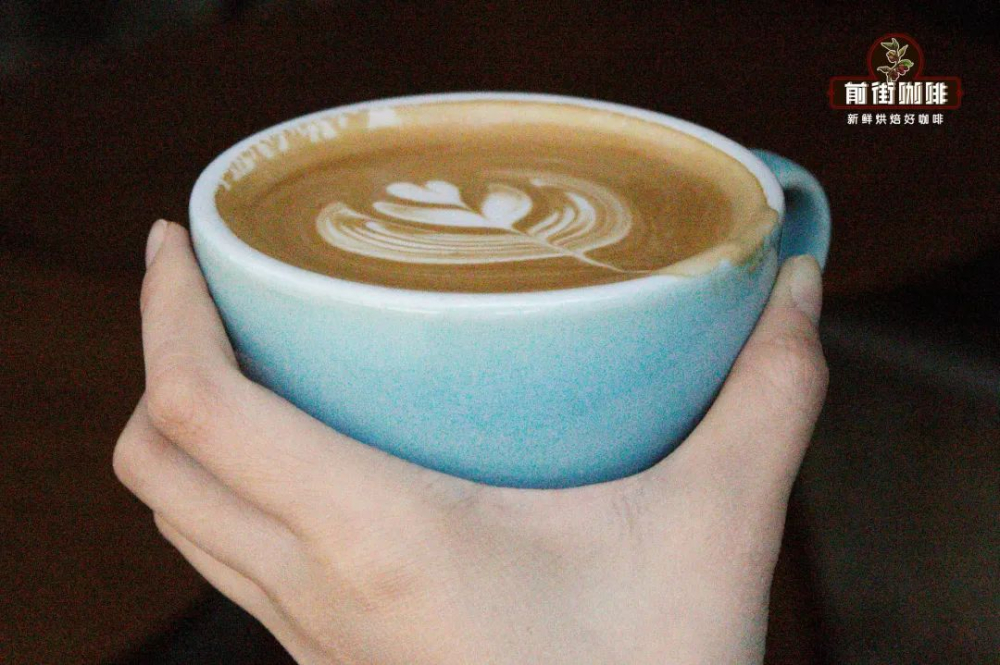
For beginners or coffee enthusiasts, the simplest way to control milk temperature is by using a thermometer combined with feel. Generally, when the milk is heated to around40°C, the hand can feel a slight warmth. As the temperature continues to rise, when the palm clearly feels hot, it usually indicates the temperature has reached55°Cor above, which serves as a tactile reference point.
With more experience, a more advanced method is to rely on feel and the duration of steam wand usage to determine the end point of heating. After achieving fine and even milk foam, continue using the steam wand to heat the milk uniformly beneath the surface, and feel the temperature change by placing your palm against the outside of the pitcher until the target temperature range is reached.
As autumn and winter arrive, with lower ambient temperatures, hot milk coffee cools down noticeably faster. Therefore, it is recommended to preheat cups before brewing, or choose ceramic materials with better insulation to extend the optimal drinking time. Adjusting heating time according to cup volume and steam pressure is also a key technique to maintaining stable milk temperature.

For different types of milk coffee, the recommended milk temperature control also varies slightly. Taking the most common latte as an example,65°Cis a common serving temperature. This temperature balances aroma release and smoothness, resulting in a more rounded overall flavor. Some shops may add an extra 3–5 seconds of heating to enhance flavor expression, but care should be taken to avoid overheating, which can affect overall balance.
As for cappuccinos, due to their characteristic of having about1.5–2 cmof thick foam on top, to allow consumers to enjoy a big sip without burning their mouths, it is recommended to keep the milk temperature at60°C or below. This way, not only is the dense texture of the foam preserved, but the drinking experience is also not compromised by high temperatures.
The above content is compiled by CoffeeHunters, a coffee news website.


