







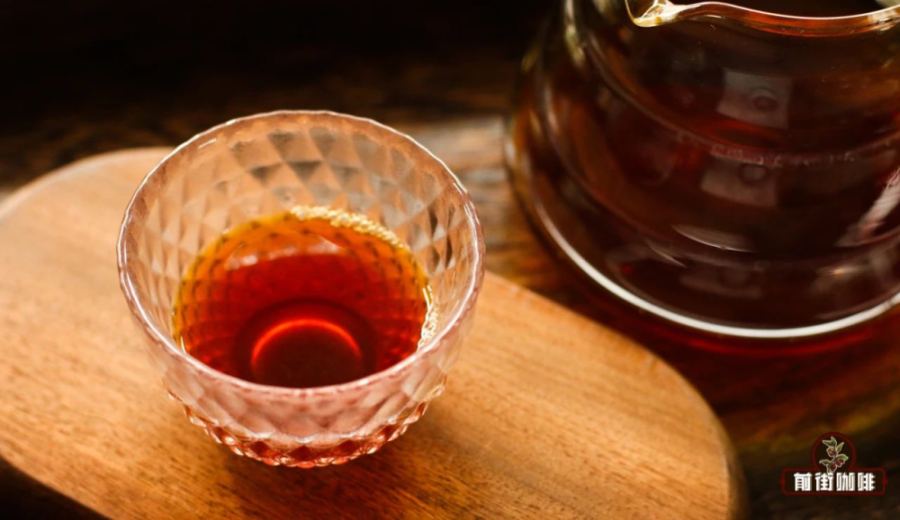
Introduction:Although Geisha coffee is renowned for its floral and fruity aromas, medium to light roasts often come with pronounced acidity, which can be off-putting for coffee lovers who prefer a richer, fuller-bodied taste. This article delves into three low-acidity Geisha options—Green Label, Natural, and Premium Red Label Geisha—and provides an in-depth look at the four-tier grading system of well-known estates, the history of international auctions, as well as the origin, processing methods, and flavor profiles of Red Label Geisha. This will help readers make the right choice based on their personal taste preferences and budget.
Geisha coffee has always been celebrated for its rich floral and fruity notes, but most Geisha beans roasted at medium to light levels tend to have noticeable acidity, which may not be the first choice for those unaccustomed to sharp sourness. However, there are indeed many Geisha options on the market with lower acidity yet still outstanding flavors. With the right selection approach, you can find the one that suits you best.
If you prefer a clean, low-acid cup with natural sweetness, the Emerald Green Label Geisha launched by a certain brand is worth considering. This washed Geisha comes from a well-known estate, with flavor notes dominated by cantaloupe, jasmine, and orange. It has a soft acidity and pronounced sweetness, making it ideal for coffee enthusiasts who enjoy subtle and mild flavors.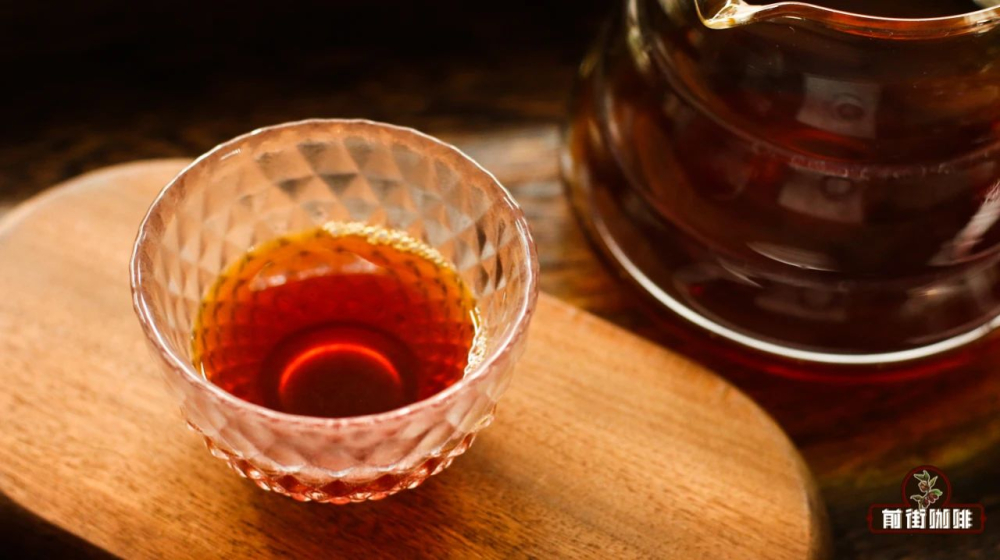
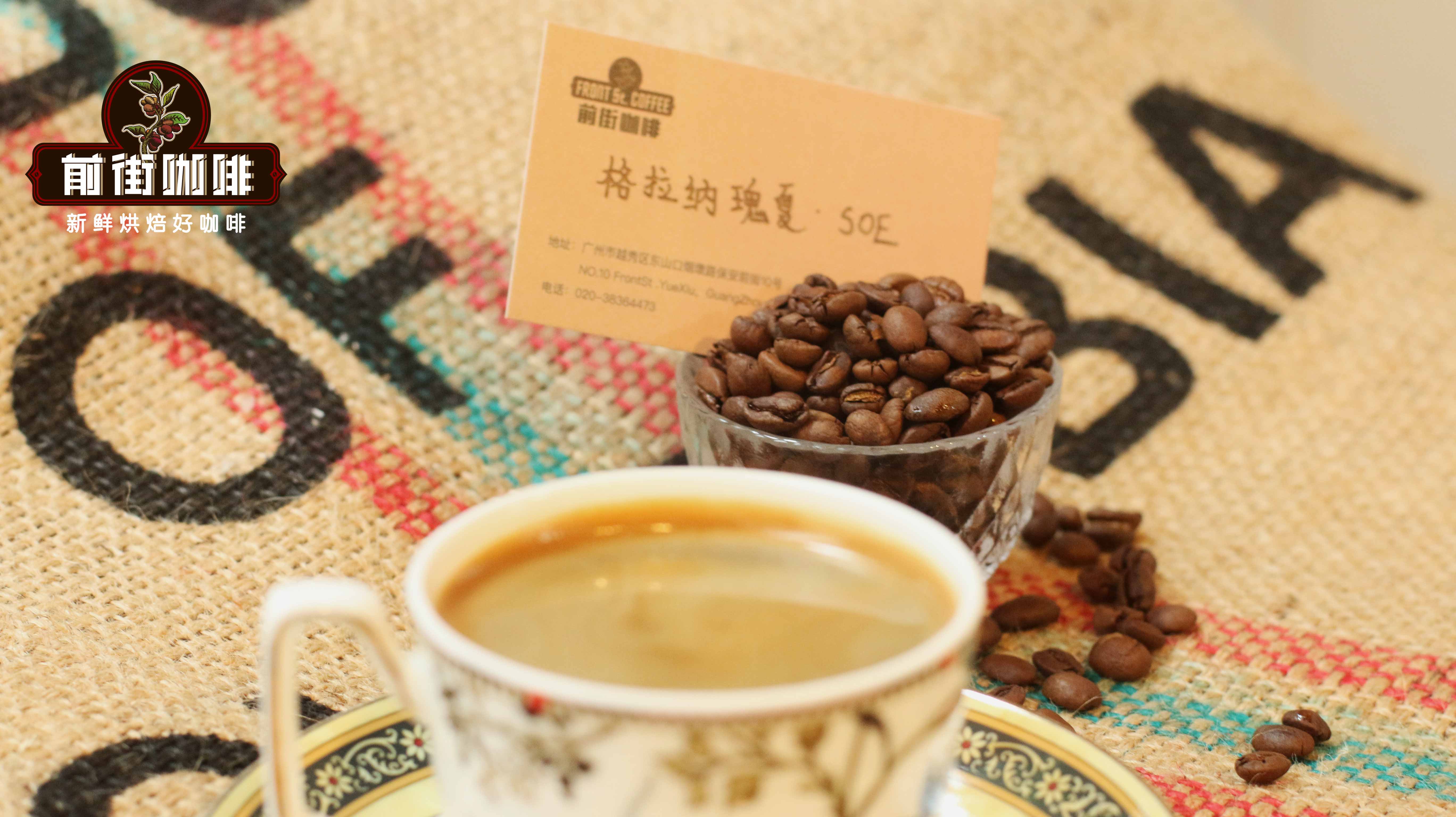
For those seeking more intense fruit expression, you might want to try a certain brand’s Granja Natural Geisha. This Ethiopian-sourced Geisha, processed using the natural method, showcases strong fruit tones such as guava, sweet strawberry, yellow apricot, and peach. Whether brewed as cold brew or pour over, it delivers clear and enchanting sweet flavors. Moreover, this bean is also suitable for making single-origin espresso (SOE), allowing you to further explore variations such as Geisha Americano or Geisha Latte.
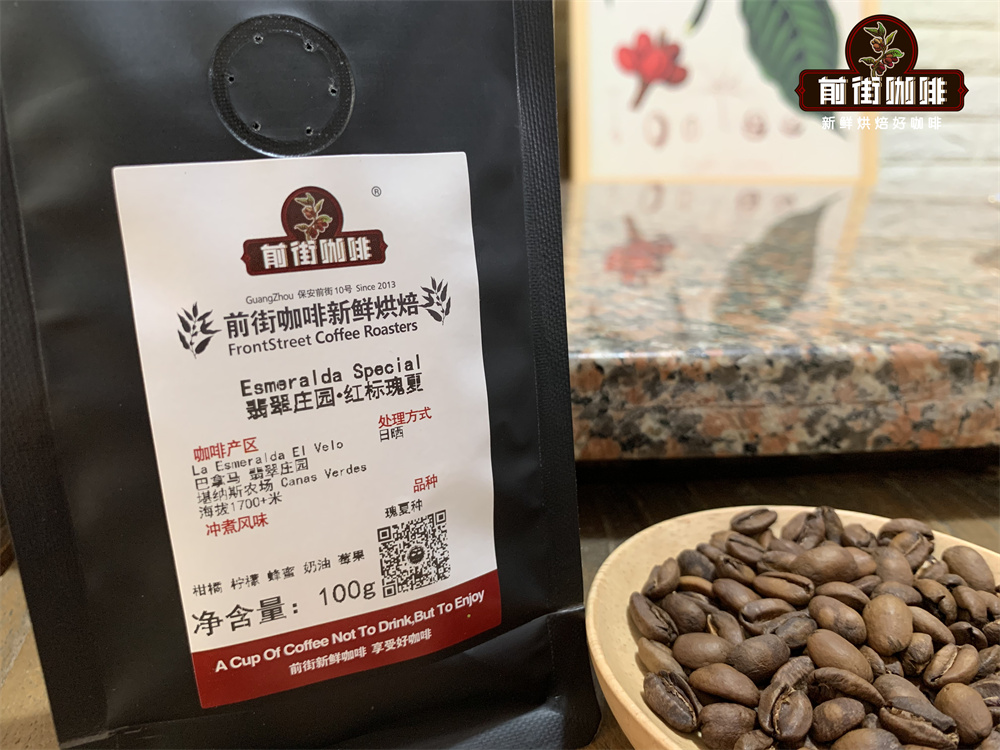
If you’re after top-tier quality with low acidity, a certain brand’s Panama Emerald Estate Red Label Geisha is definitely not to be missed. To understand the value of Red Label Geisha, one must first be familiar with the BOP (Best of Panama) competition—an internationally recognized, authoritative coffee quality evaluation event, alongside COE and TOH. Each year, BOP attracts top coffee estates from around the world. After rigorous cupping and judging, the final selling price is determined through auction.
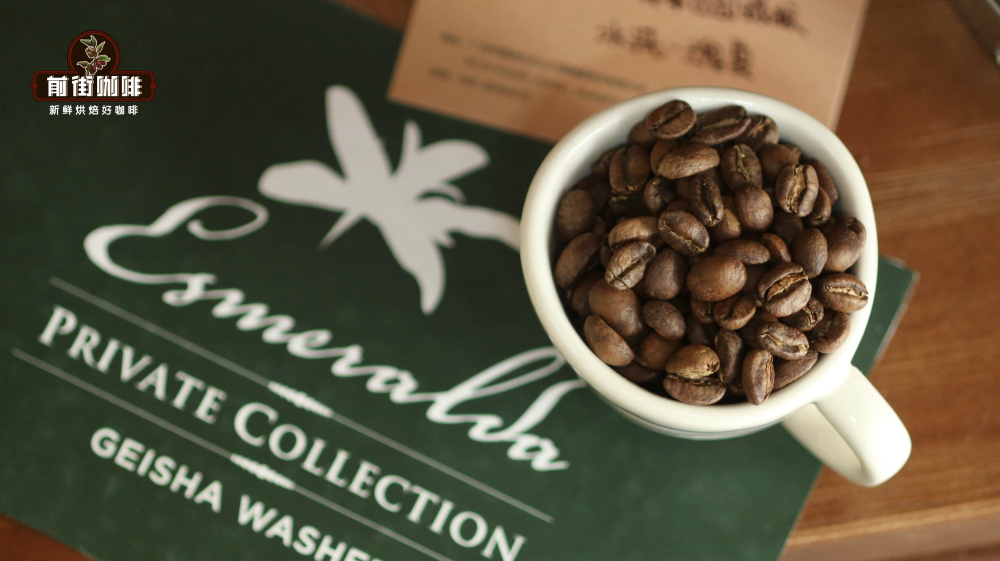
As a multiple-time champion of BOP, Emerald Estate’s Geisha variety has repeatedly broken auction records: $21 per pound in 2004, soaring to $50.25 in 2006, reaching $130 in 2007, and even hitting an astonishing $170 per pound in 2010. The Geisha variety was long overlooked until it was meticulously cultivated by Emerald Estate and achieved remarkable success, gradually gaining market recognition. Its impact was so significant that BOP later introduced separate categories for “Geisha” and “non-Geisha” entries.
Emerald Estate currently has four main growing areas: Jaramillo, Canas Verdes, Palmira, and El Velo. Through years of research, it has been found that Geisha can only fully express its unique characteristics when grown at altitudes above 1400 meters. Therefore, the estate categorizes its Geisha beans into three grades—Red Label, Green Label, and Blue Label—based on altitude and processing methods.
Among them, Emerald Red Label belongs to the auction lot and represents the pinnacle of global Geisha coffee. It can only be acquired through the annual BOP global auction. These Geisha beans are grown at elevations between 1550 and 1800 meters, primarily sourced from the Jaramillo and Cañas Verdes farms, both located in the high-altitude regions of Barú Volcano in western Panama. Cupping scores often exceed 90, placing them in the SHB (Strictly Hard Bean) category. They are also certified by the Rainforest Alliance, and a light (City) roast level is recommended to preserve their delicate flavors.
The processing method for Red Label Geisha employs meticulous washed processing, resulting in its distinctive flavor profile: the cup opens with oolong tea aroma, peach fragrance, and honey sweetness. The overall fruitiness is vibrant yet not sharp, with gentle and rounded acidity and well-defined layers. As the cup cools slightly, the acidity becomes even more refined, and the finish is lingering and satisfying—like sipping a fresh fruit tea, mellow and refreshing. This bean is excellent for brewing via pour over or French press methods, which can fully showcase its intricate and multifaceted aromas and layers.
When tasting Red Label Geisha, pay attention to the intense fruit aroma released after grinding, the soft yet distinct fruit acidity upon entry, followed by a dense sweetness and a long-lasting aftertaste. This balance and attention to detail are precisely what make top-tier Geisha so captivating.
Extended knowledge: The Geisha variety was first discovered in 1931 in the Gesha Forest of Ethiopia, then sent to the Kenya Coffee Research Institute for preservation. It was later introduced to Uganda, Tanzania, and Costa Rica, but its performance remained unremarkable. It wasn’t until the 1960s, when it was transplanted to Panama, that after decades of obscurity, it finally shone brilliantly under the cultivation and meticulous processing of Emerald Estate, becoming the legendary variety it is today in the specialty coffee world.
The above content is compiled by CoffeeHunters, a coffee news website.


