







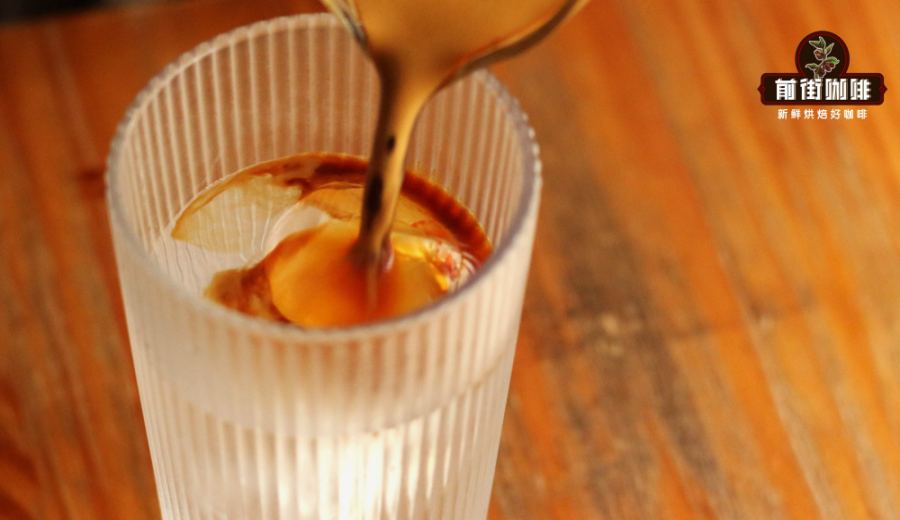
Introduction:Americano, as a classic option in coffee shops, may seem simple but actually involves many subtle details. From the ratio of espresso to water, the use of ice cubes, to the choice of coffee beans—all these factors can influence the final flavor. This article will delve into the history of the Americano, the differences between hot and iced versions, and through practical testing with various ratios, help you find an Americano brewing method that suits your taste.
The Americano can be considered a classic staple in coffee shops, yet the flavor varies greatly from shop to shop. Some are rich and have a long aftertaste, while others are light and smooth, perfect for everyday drinking. This is actually related to the extraction efficiency of the espresso, the ratio of water to coffee, and even whether ice cubes are used. This article not only introduces the origin of the Americano but also explains the preparation logic behind both hot and iced versions. Using actual test data with three water ratios—1:4.5, 1:6, and 1:8—it analyzes their concentration performance and sensory experience to help you find the brewing method that works best for you.
Customers often ask: “Why is your iced Americano so delicious?” While the Americano is a standard offering at most cafes, making it well is not so simple. This article will take you from the basics step by step to uncover its intricacies.
The origin of the Americano is closely tied to the drinking habits of Americans. In the early days, an Americano referred to black coffee made via drip filtration, with a relatively light flavor. As espresso grew popular worldwide, to cater to the American preference for a milder taste, some began diluting espresso with water to adjust it to a more familiar strength. This is what we now commonly see in coffee shops as the espresso-based Americano.
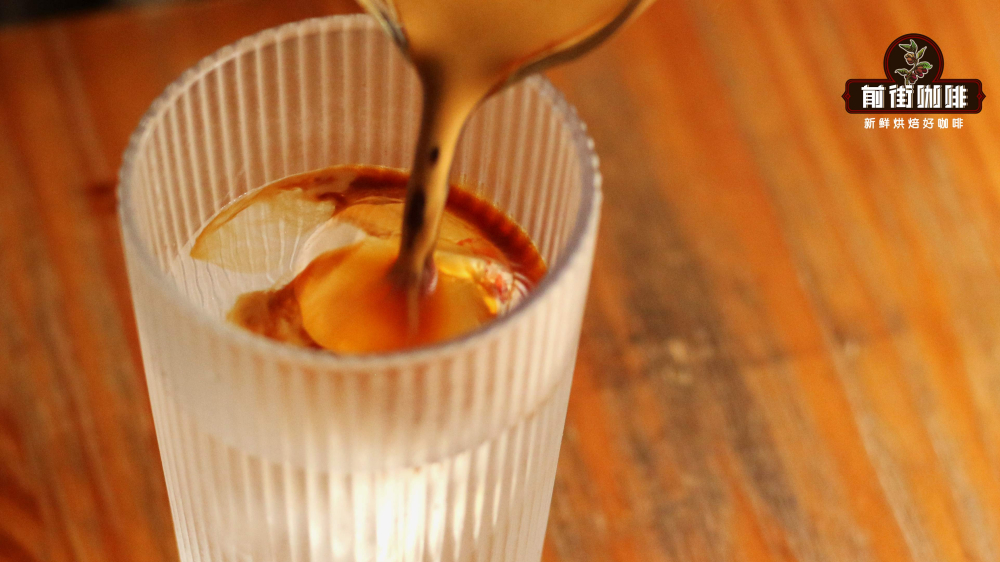
A hot Americano is typically made by diluting espresso with hot water, while an iced Americano is made by adding ice cubes to a hot Americano. Whether using hot water or ice, the essence is adjusting the overall concentration of the coffee. Although pour over and Americano share similarities in extraction rates, their brewing philosophies are quite different. Pour over requires balancing extraction rate and concentration simultaneously, whereas the Americano separates these two processes—first controlling the espresso extraction, then adjusting the water ratio. Therefore, understanding this logic is key to making a delicious Americano.
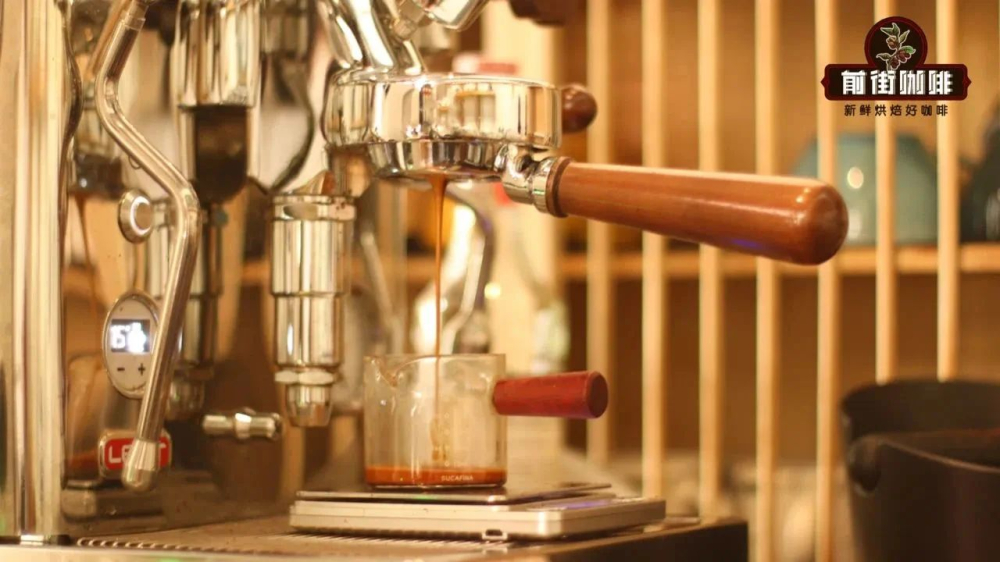
Taking common extraction methods as an example, espresso is generally brewed with a coffee-to-water ratio of 1:2, yielding a brew with an extraction rate of about 19–20% and a concentration of around 9–10%. The next step is to adjust it to a drinkable concentration by adding water or ice cubes. However, there is no fixed standard for how much water or ice to add—it depends on the characteristics of the coffee beans and personal taste.
We conducted practical tests using different ratios, utilizing our own roasted Sunflower Warm Sun espresso blend. After extracting espresso with a standard process resulting in a 19–20% extraction rate and 9–10% concentration, we added varying amounts of water and observed the changes in concentration and flavor expression.
The first test group used 180 ml of water, a ratio of 1:4.5 (espresso to water), which is our standard production ratio for hot Americano. The measured concentration was 1.67%, slightly above the Golden Cup standard range, but in actual drinking, the flavor layers were distinct without feeling overly intense.
The second group used 240 ml of water, a ratio of 1:6—one of the more commonly used Americano brewing ratios on the market. The measured concentration was 1.34%, aligning with the Golden Cup standard, with a balanced taste and high acceptability.
The third group used 320 ml of water, a ratio of 1:8, resulting in a concentration of 1.05%, which falls on the lower side, yielding a lighter flavor.
Based on the data, the 1:6 ratio is closer to the Golden Cup standard and suits the taste of most people. However, we ultimately chose 1:4.5 as the production ratio for hot Americano, mainly considering the actual sensory experience during drinking. Testing showed that with our Sunflower Warm Sun blend, the 1:4.5 ratio brings out delicate flavors such as winey notes, vanilla cream, chocolate, and brown sugar. Although the concentration is slightly higher, the overall profile remains harmonious without over-extraction or bitterness.
In contrast, the 1:6 ratio is more suitable for mainstream espresso beans with nutty and chocolatey profiles—these beans have a more balanced flavor and can still deliver a rich taste even at a lower concentration. The 1:8 ratio is better suited for very dark-roasted traditional espresso beans, which are inherently strong and bitter, requiring more water dilution to be palatable. This ratio was more common in earlier Americano practices but has gradually become less frequent with advancements in roasting and extraction techniques.
As for iced Americano, the biggest difference from hot Americano lies in the impact of ice cubes. Since ice melts over time, failure to adjust the ratio properly can result in the coffee becoming progressively weaker. Therefore, when making iced Americano, we reduce the initial amount of water and use large, hard ice cubes to slow down melting, helping maintain a stable flavor and temperature throughout drinking.
Taking our blend as an example, we use 40 grams of espresso, combined with 120 ml of water and 100 grams (about 4 large cubes) of ice, in a ratio of approximately 1:3:2.5. This setup ensures that even as the ice melts, the concentration remains within the ideal range. Many customers find around two ice cubes remaining when they finish their drink. Of course, the actual ratio can be flexibly adjusted based on personal preferences and the characteristics of the coffee beans.
Finally, it’s worth mentioning that the choice of coffee beans is also a critical factor influencing the flavor of Americano. For instance, the Sunflower Warm Sun espresso blend used in our stores consists of 70% Honduran Sherry beans and 30% Ethiopian Yirgacheffe Natural Red Cherry beans. The former delivers pronounced vanilla cream and sherry wine aromas, while the latter adds brown sugar sweetness and chocolate undertones, creating a more layered espresso base. Whether used for hot or iced Americano, it showcases captivating complexity.
The above content is compiled by CoffeeHunters, a coffee news website.


