







Introduction:Have you ever wondered what it would taste like to use cola instead of hot water for a pour over? We actually tested two methods: one using ice-cold cola as the brewing liquid directly, and another using cola ice cubes with hot water for an iced pour over. From parameter settings and step-by-step procedures to actual flavor performance, this in-depth analysis helps you understand how different brewing methods affect a coffee’s flavor, aroma, and mouthfeel—perfect for curious coffee lovers eager to explore and understand extraction principles.
Using cola instead of hot water for pour over? At first glance, it might sound bizarre—but we actually tried it out ourselves. We experimented with two approaches: the first involved using ice-cold cola as the sole extraction medium, completely replacing hot water, to brew a medium-light roasted Costa Rican blackberry coffee; the second method was to freeze cola into ice cubes and then perform an iced pour over using regular hot water, allowing the cubes to slowly melt and impart “cola flavor” during the process. The goal wasn’t just to satisfy curiosity but also to gain deeper insight into how this unique approach truly affects the final flavor profile of the coffee.
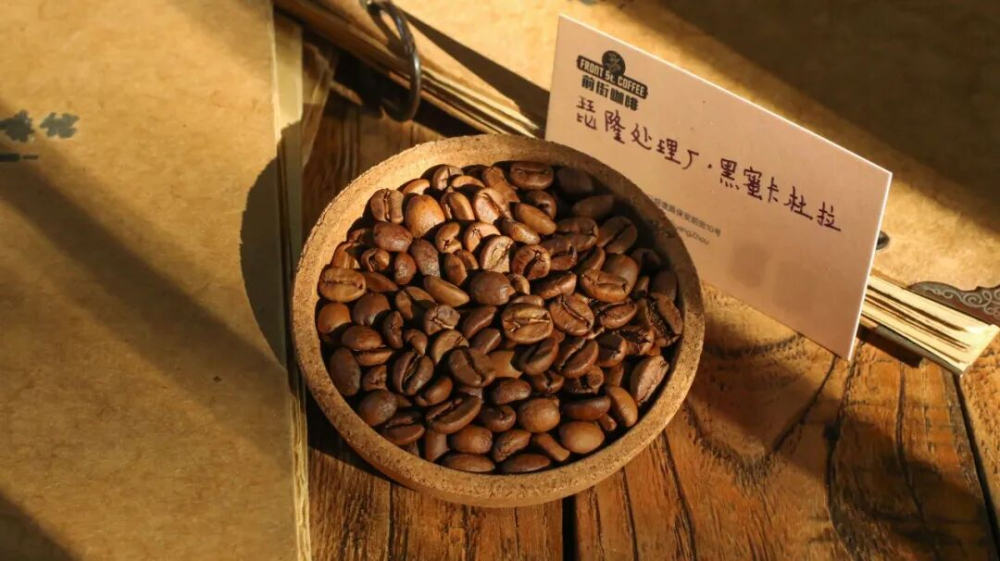
For our first test, we chose Blackberry coffee beans—a medium-light roast processed with honey, known for its bright acidity and rich floral-fruity character, making it ideal for observing how different extraction environments influence flavor. We maintained standard iced pour over parameters: fine grind, high brewing temperature, and a 1:10 coffee-to-water ratio. We used 15 grams of coffee grounds, combined with 150 grams of ice-cola and 75 grams of regular ice cubes, employing a three-stage pouring method with a total extraction time kept under two minutes.
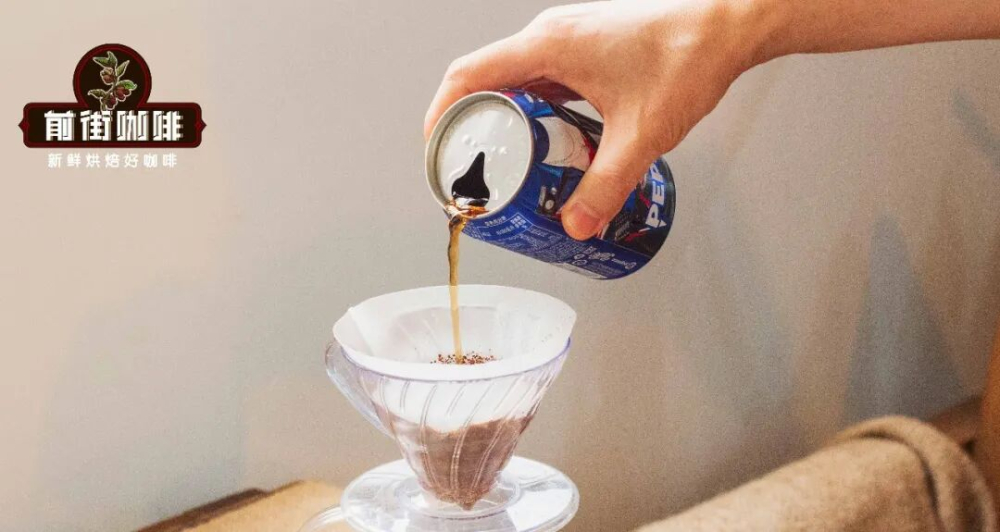
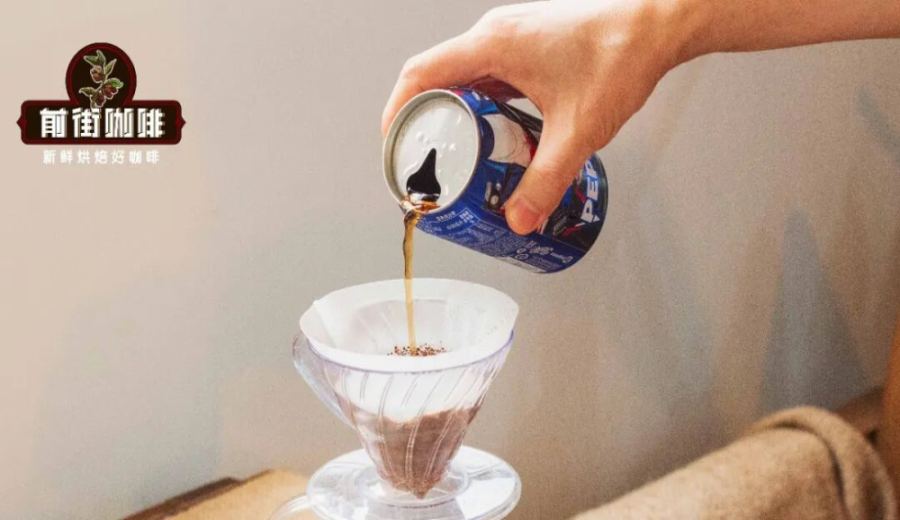
First round of testing: direct brewing with ice-cola. We placed 15 grams of coffee grounds in the filter cone, with 75 grams of regular ice cubes already in the server. Then, instead of hot water, we used ice-cola, poured in three stages. The first stage involved 30 grams poured with a slow stream in circular motion to fully saturate the coffee grounds—immediately, a lot of bubbles formed in the filter, and liquid rapidly flowed into the server. After 30 seconds, we poured the second 60-gram stage, followed by the final 60-gram stage after some time, using a total of 150 grams of ice-cola. In the end, we mixed the liquid with the ice cubes and tasted the result.
The outcome was surprising—the overall flavor resembled ice-cola with a faint hint of coffee aroma. The sweetness was noticeable, but it came from the cola itself, not the coffee beans; acidity was muted, bitterness was nearly absent, replaced instead by a pronounced carbonation and overly sweet aftertaste. The coffee’s original floral and fruity notes were almost entirely masked, and extraction efficiency was noticeably poor. The issues mainly stemmed from two factors: the extremely low temperature of the ice-cola greatly reduced extraction capability; additionally, the abundant bubbles suppressed the release of soluble flavor compounds from the coffee, causing the nuanced layers that coffee should exhibit to nearly vanish.
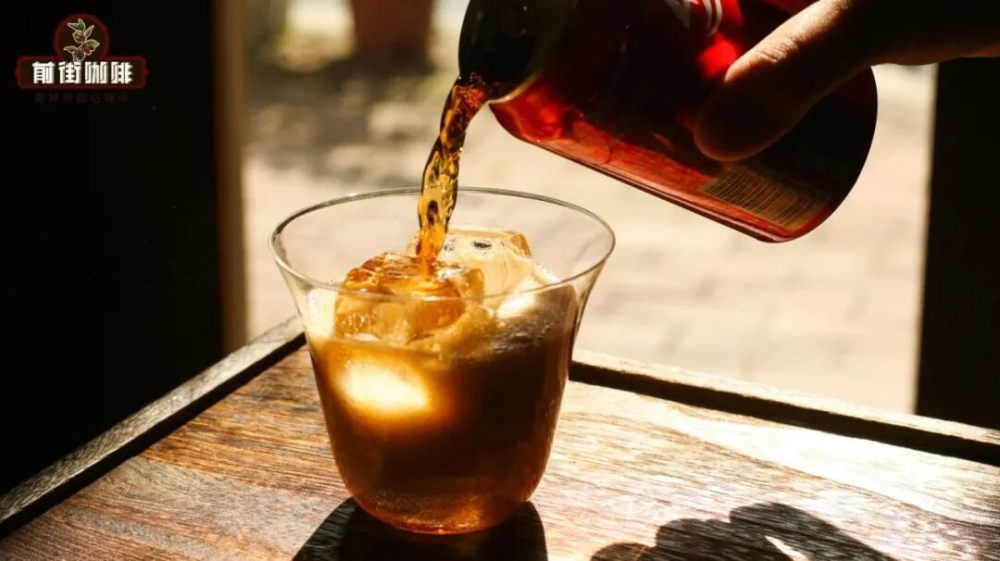
So we adjusted our strategy and conducted a second round of testing: this time using cola ice cubes instead of liquid cola. With the same 15 grams of Blackberry coffee beans, we used 75 grams of homemade cola ice cubes and 150 grams of hot water, again performing a three-stage iced pour over. The first step involved pouring 30 grams of 93°C hot water to bloom for 30 seconds, allowing the coffee grounds to fully expand. Next, the second stage included 60 grams of hot water poured in a slow circular motion. The third stage also used 60 grams of hot water poured in a fixed position, with the total extraction time clocking in at approximately 1 minute and 45 seconds.
After this round of extraction, we mixed the brewed coffee in the server with the cola ice cubes and let the mixture cool down completely before tasting. The result was remarkably different—coffee flavors were clear and distinguishable, featuring prominent raisin notes, delicate floral tones, and berry characteristics—hallmarks of the Blackberry profile. Meanwhile, the subtle soda-like sweetness brought by the melting ice cubes complemented the coffee’s naturally crisp and tangy profile. The overall cup was smooth, well-layered, and harmoniously balanced without any jarring elements.
This experiment led us to an important conclusion:Directly using ice-cola to brew coffee, due to the interference of low temperature and bubbles, severely hinders the release of coffee flavors, resulting in a beverage that tastes more like a flavored drink than actual coffee.However, if you opt for cola ice cubes instead—letting hot water properly extract the essence of the coffee while the ice cubes gradually release their flavor—not only do you preserve the original traits of the coffee, but you also add a unique touch of sweet refreshment, achieving an unexpectedly well-balanced result.
For those keen on experimenting with creative pour over methods, we recommend starting by controlling variables: choose medium-light roasted beans with bright and distinct flavors and soft acidity, maintain consistent grind size and coffee-to-water ratio, and pay attention to water temperature and pouring duration. If you want to introduce carbonation, cola ice cubes are a far better choice than liquid cola. Whether driven by curiosity or the pursuit of new flavors, this experiment proves that the world of coffee still holds many possibilities worth exploring.
The above content is compiled by CoffeeHunters, a coffee news website.


