







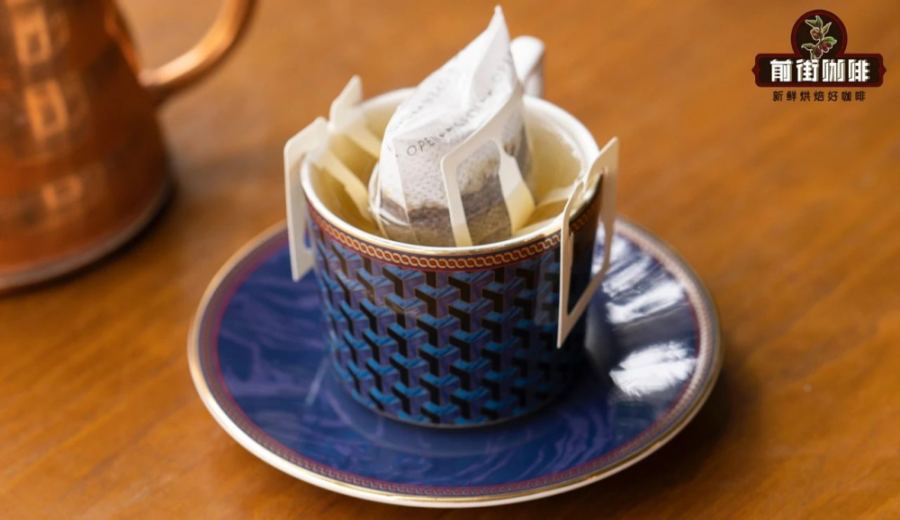
Introduction:Drip bags are widely loved for their convenience, but many people still mistakenly believe that steeping them longer results in stronger flavor. In reality, this often leads to over-extraction, producing bitter and astringent off-notes. This article delves into the fundamental differences between drip bags and instant coffee, and provides professional-grade brewing techniques and parameter recommendations to help readers master the correct method, avoid common issues like being too sour, too bitter, or too weak, and brew a balanced pour-over quality drip bag coffee.
Many assume that the longer a drip bag steeps, the stronger the flavor will be—but this is a common misconception. Over-steeping can release excessive impurities and undesirable compounds from the coffee grounds, resulting in a thick, astringent taste, known as "over-extraction." The key to brewing a great-tasting drip bag coffee lies in controlling water temperature, water volume, and brewing time—not simply extending the steeping duration.
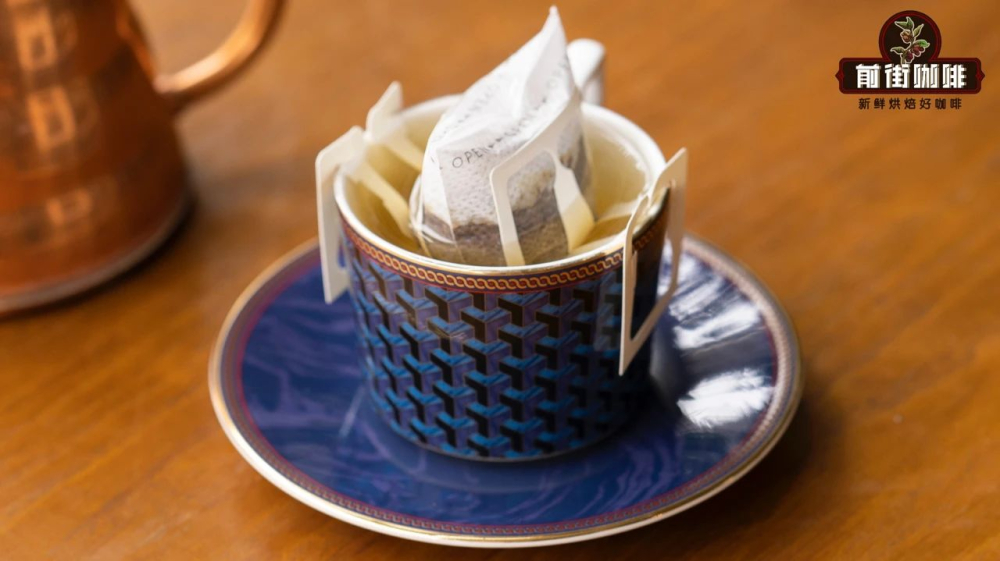
Drip bags actually originate from the brewing logic of pour-over coffee, using an infusion method rather than directly soaking the coffee grounds in water. This approach allows hot water to evenly contact the coffee grounds, effectively extracting flavor compounds while avoiding over-extraction. It’s recommended to use the pulse pouring technique during brewing, which not only improves extraction stability but also allows for more precise control over overall concentration and mouthfeel, preventing both over-extraction and under-extraction.
There is a wide variety of drip bag coffees on the market, with beans from different regions offering distinctly unique flavor profiles. For example, Mandheling drip bags typically exhibit a rich, full-bodied mouthfeel with woody and spicy notes; Yirgacheffe is known for its bright citrus acidity and floral aromas, making it ideal for those who prefer a fresh profile; while Brazilian Cerrado drip bags often feature nutty and peanut-like tones, with a smooth and balanced flavor—perfect for first-time drip bag users.
It’s worth noting that drip bag coffee is fundamentally different from common instant coffee. Instant coffee is made by dehydrating extracted coffee liquid, which, although convenient and quick to dissolve, contains almost no complete coffee flavors and often includes additives such as sugar, creamer, and emulsifiers. In contrast, drip bag coffee is a convenient form of freshly ground coffee, containing no additional ingredients, and offers a black coffee experience close to that of pour-over—making it a great choice for those seeking health and flavor.
To brew a great cup of drip bag coffee, besides choosing the right beans and grind size, water temperature and brewing technique are crucial. It’s recommended to use freshly boiled hot water at around 90–94°C, adjusting slightly based on bean origin and roast level. If the coffee tastes overly sour, the water may be too hot—letting it cool for about 1–2 minutes before brewing can help soften acidity and bring out a rounder mouthfeel.
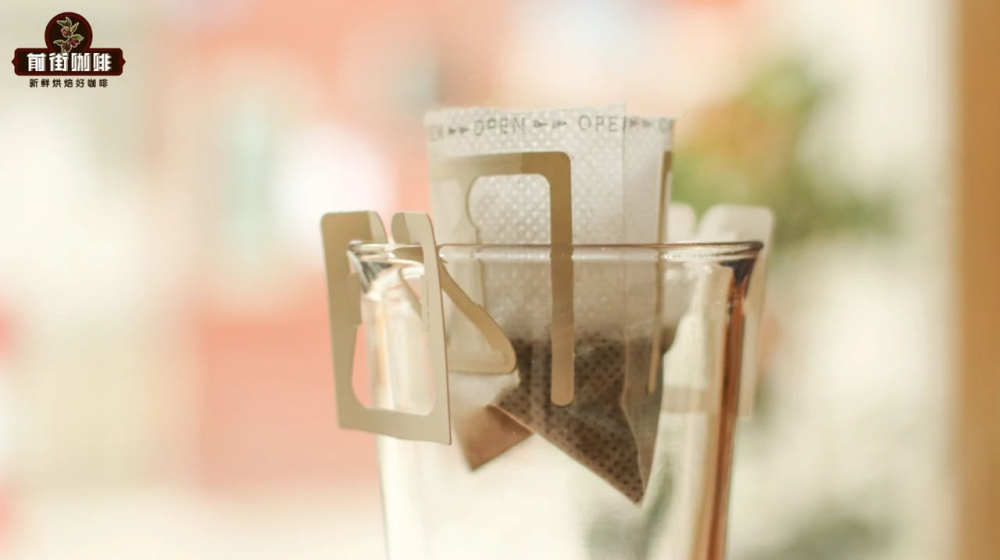
In practice, prepare a medium-sized cup, such as a tall mug, and hang the drip bag over the rim. First, tear open the outer pouch of the drip bag, carefully unwrap the non-woven filter pouch, gently shake the coffee grounds to concentrate them at the bottom, then hang the two sides of the drip bag over the cup rim to secure it. Next, wet the coffee grounds evenly with a small amount of hot water—about 20–30 milliliters—and let it bloom for about 10–20 seconds. This step helps release carbon dioxide and lays a solid foundation for subsequent extraction.

After blooming, continue pouring with a fine, steady stream of small water until the water level approaches the top edge of the drip bag filter. Then pause pouring and let the coffee liquid slowly drip through. Once the liquid level inside the filter has visibly dropped, proceed with the final pour, again filling up to the edge of the filter. It’s generally recommended to keep the total water volume around 150 grams (approximately 150 milliliters), which will yield about 120–130 milliliters of coffee liquid, achieving a more balanced concentration and flavor expression.
After brewing, gently swirl the coffee liquid before drinking to enjoy a more consistent flavor experience. If the brewed coffee tastes too weak, it’s usually due to too much water or insufficient pouring stages—in the future, you can reduce the total water volume slightly. If it’s too bitter or astringent, it may be due to too long a brewing time or excessively high water temperature; consider shortening the brewing time or lowering the temperature. With continuous fine adjustments, every coffee lover can find their own optimal brewing parameters.
The above content is compiled by CoffeeHunters, a coffee news website.


