







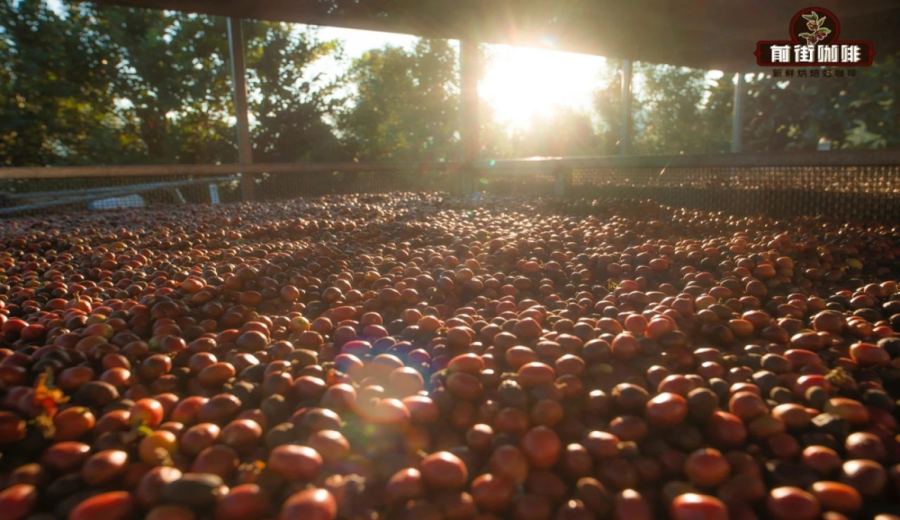
Introduction:Want to understand the true face of Yunnan small-bean coffee? This article delves into the variety origins, historical evolution, and flavor characteristics to provide an accessible yet in-depth analysis of this highly regarded domestic coffee. Not only will it introduce you to the Arabica varieties Typica and Catimor, but it also recommends two practical beans suitable for beginners—offering both great value and regional character—along with brewing methods and parameters to help you discover your own Yunnan coffee flavor.
In China’s specialty coffee landscape, Yunnan coffee has always held a significant place, and “Yunnan small-bean” is a term frequently mentioned by coffee enthusiasts. But what exactly is Yunnan small-bean? Which varieties does it come from? And how can you choose the right one to taste its most authentic flavor? This article provides a comprehensive introduction to this representative domestic coffee, covering everything from variety definitions, historical introduction backgrounds, regional characteristics, to actual products and brewing recommendations.
The so-called Yunnan small-bean usually refers to Arabica coffee with relatively small fruit, especially the early-introduced Typica and Bourbon lineages. This type of coffee is distinctly different from the medium-bean Robusta grown in places like Hainan—not only smaller in size, but also excelling in layered flavors and bright, sweet-and-acidic profiles. However, due to Typica and Bourbon’s susceptibility to disease and lower yields, many Yunnan farmers later switched to the more adaptable Catimor variety. This lineage gradually stabilized in the region’s high-altitude environment and developed a unique regional flavor.
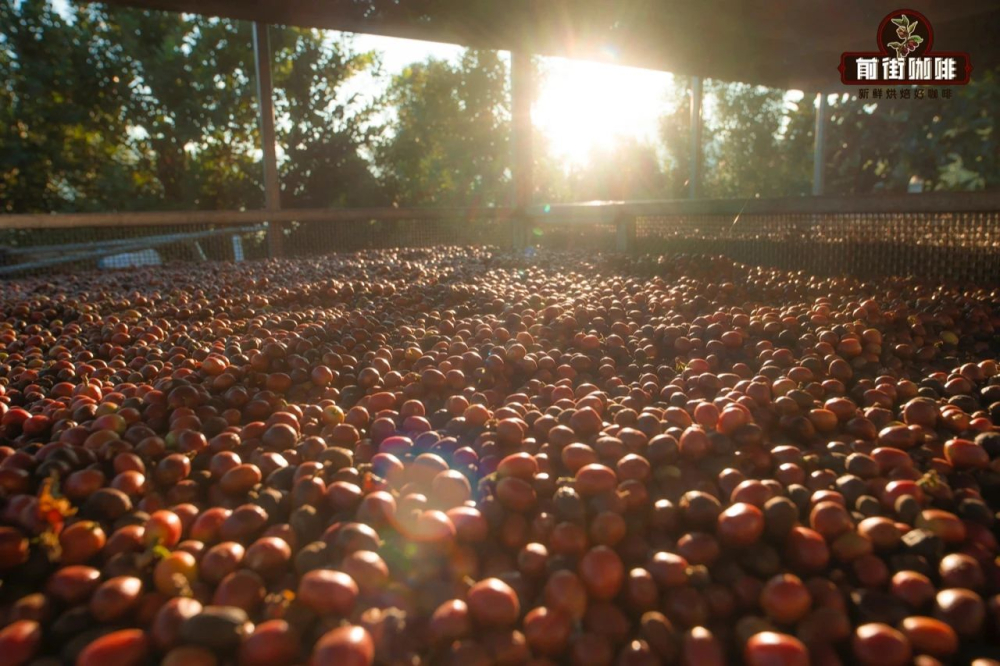
If you’re new to Yunnan coffee, consider starting with two representative products: one is an entry-level bean using the mainstream Catimor variety and processed via washed method, and the other is a premium selection based on the traditional Typica variety, showcasing unique flavors through the natural sun-dried process. These two beans not only let you experience the distinct personality of the Yunnan growing region, but are also suitable for everyday brewing methods such as pour over and drip bags.
Take washed Catimor as an example—this processing method effectively reduces impurities and over-fermented flavors, highlighting the coffee’s inherent cleanliness and sweetness. Generally, these beans are grown at around 1200 meters above sea level, with production concentrated in areas like Baoshan, Yunnan. The flavor profile often features notes of melon, cantaloupe, brown sugar, and a mild plum-like acidity, with an aftertaste reminiscent of the smoothness of black tea. Thanks to its great value and balanced flavor, this bean is perfect as an everyday drinker or an introductory choice for first experiencing Yunnan flavors.
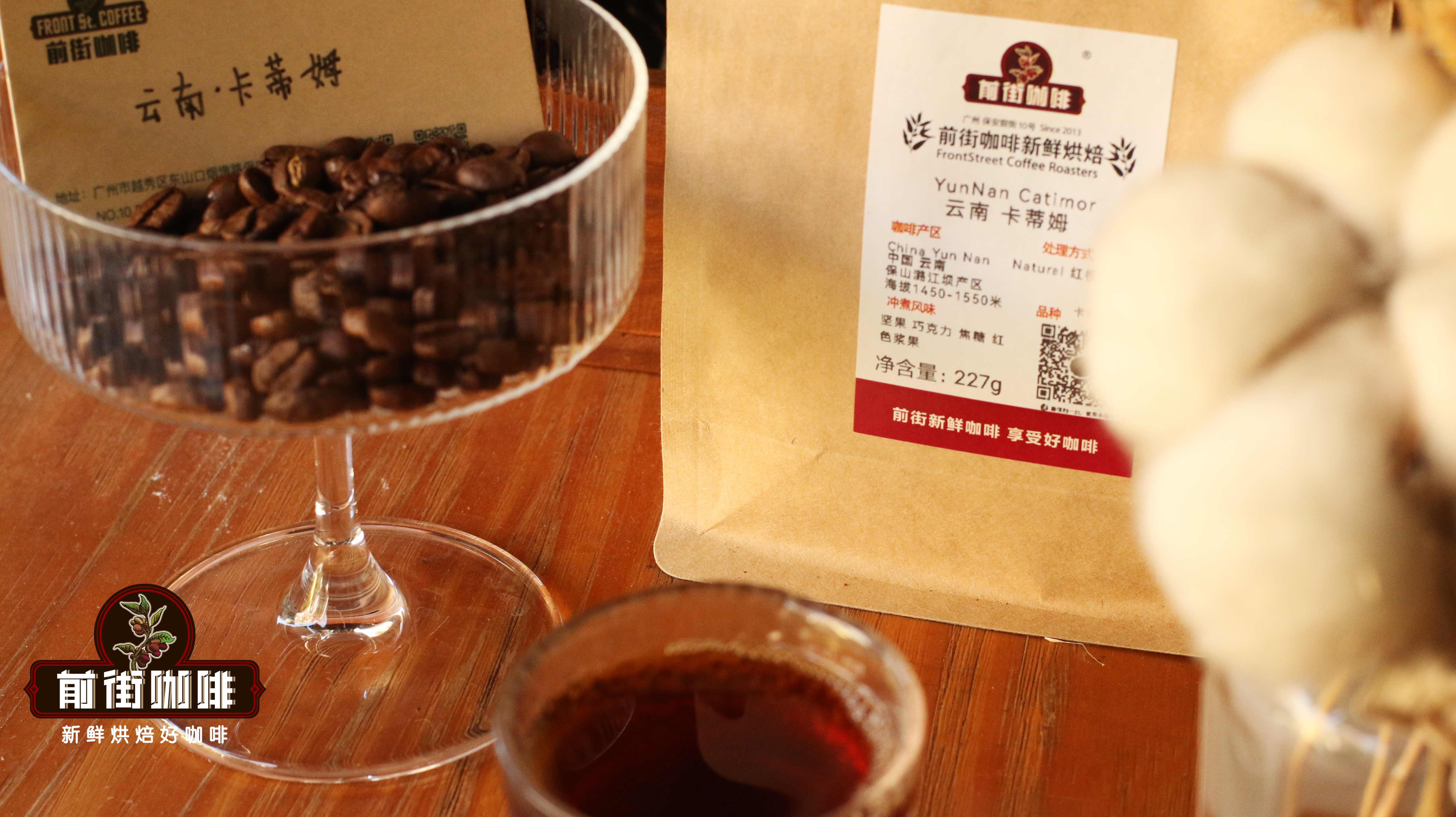
If you want to further explore the charm of traditional Arabica lineages, consider a premium bean based on the Typica variety and processed using the natural sun-dried method. These beans are typically grown at around 1300 meters in the Lincang area. Because the sun-drying process preserves more fruit pulp sugars and fermented aromas, they often exhibit a sweet-and-sour layering akin to dried apricots, delicate nutty tones, and a distinct brown sugar sweetness, with a lingering hint of tea flavor. The overall profile is very clean and layered.
For brewing suggestions, washed Catimor is well suited to medium-light roast parameters. It’s recommended to grind to a medium-fine consistency (such as the 18–20 mesh commonly used for pour over filters), with water temperature controlled at 90–92°C and a coffee-to-water ratio of 1:15 to 1:16. This setup better highlights its black tea and brown sugar aftertaste. For sun-dried Typica, it’s advised to use a slightly coarser grind (around 16–18 mesh), with water temperature reduced slightly to 88–90°C to preserve the delicate aromas of dried fruit and nuts. This bean is also suitable for slow brewing methods such as cold brew and siphon, allowing the flavors to unfold more fully.
Whether you’re a beginner just starting out or an advanced enthusiast seeking distinctive regional flavors, Yunnan small-bean coffee—with its diverse variety background and potential to adapt to various processing methods—is worthy of a spot on your coffee tasting list. Choose the right region, understand the processing techniques and brewing parameters, and you’ll be able to more fully appreciate the unique charm of this domestic coffee.
The above content is compiled by CoffeeHunters, a coffee news website.


